REVIEW · TULUM
Tulum: Chocolate & Honey Sanctuary Experience with Cenote
Book on Viator →Operated by Mycancuntours · Bookable on Viator
Cacao, honey, and a sacred cenote in one run. I love the hands-on honey and cacao workshop at Chococacaomaya, and I love ending with a sacred cenote swim plus a shaman’s blessing. One thing to double-check: this experience runs around Cobá (about 45 minutes inland from Tulum), and some details like the soap/candle-making may not match what’s written.
This is a short 3-hour style visit with pickup offered from the AKI supermarket in downtown Tulum area (beside BBVB bank) and air-conditioned transport. You’ll get a mobile ticket, and the tour is offered in English.
You also get fed: a gourmet meal built around honey and cacao, with a menu item like cacao chicken (chicken prepared with natural cocoa/organic chocolate and a little honey) and Mexican rice. Drinks aren’t included, so plan on buying water separately if you need it.
In This Review
- Key things to know before you go
- Chococacaomaya and the Cobá-side setting
- The honey and cacao workshop: what you do, not just what you hear
- Chocolate mixing and honey basics: how to get more from the tastings
- Lunch built around cacao and honey (and what it’s likely to taste like)
- The sacred cenote swim and the shaman’s blessing
- Pickup, timing, and the ride from Tulum
- Price and value: is $129 fair for what you get?
- Who should book this tour (and who should skip it)
- Should you book the Tulum chocolate and honey sanctuary with cenote?
- FAQ
- What is included in the chocolate & honey sanctuary experience?
- How long is the tour?
- Is pickup offered?
- Where does the tour actually take place?
- What language is the tour offered in?
- Do you make soap or a candle?
- What do you eat during the tour?
- Are drinks included?
- Do I need to bring swimwear?
- Who can participate?
Key things to know before you go
- Cobá location vs. Tulum label: the sanctuary is near Cobá, roughly a 45-minute ride inland.
- Cenote swim is the payoff: the cenote moment is repeatedly called out as the highlight.
- Honey and cacao workshop: expect hands-on time learning how cacao and honey are used.
- Food is included: the lunch includes honey/cacao flavors (including a cacao chicken option).
- Soap/candle step might vary: some participants reported it didn’t happen as described.
- Language can be mixed: one report noted the guide spoke only a little English, though they could translate most info.
Chococacaomaya and the Cobá-side setting
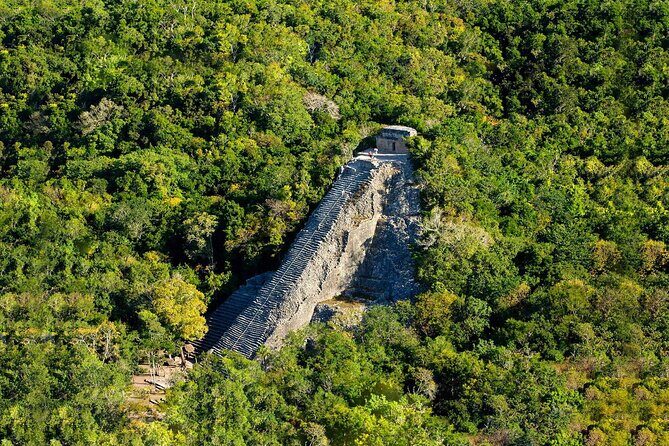
Even though it’s sold as a Tulum experience, the actual action happens near Cobá. That matters, because you’re trading beach vibes for a more “inland Mayan pilgrimage” setting—one connected to cacao and honey traditions. If you’re expecting something inside town, reset that mental picture right away.
The sanctuary concept is simple: cacao and honey aren’t treated like just flavors. They’re treated like products with meaning—used by people long ago, and still tied to rituals today. The experience leans into that idea with a guided talk, then activities that connect the food to the story.
You’ll also notice the time format is tight. In about three hours, you’re moving from learning and tasting to lunch and then to water. That’s good if you want a compact day plan, but it also means you shouldn’t expect a long, leisurely sit-down museum tour.
You can also read our reviews of more tours and experiences in Tulum
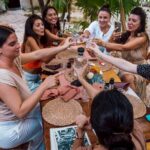
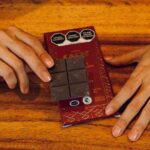
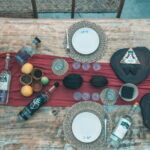
The honey and cacao workshop: what you do, not just what you hear
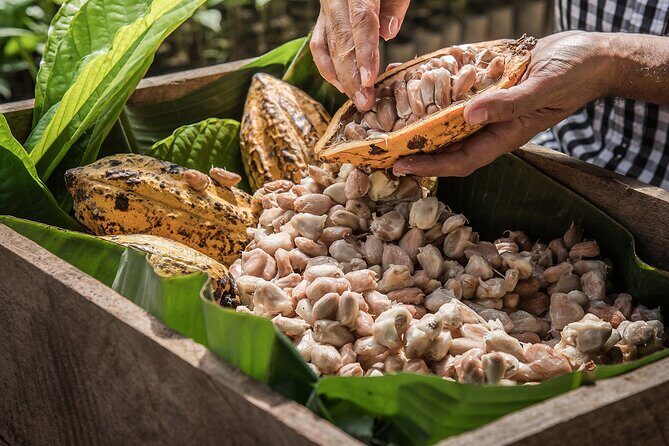
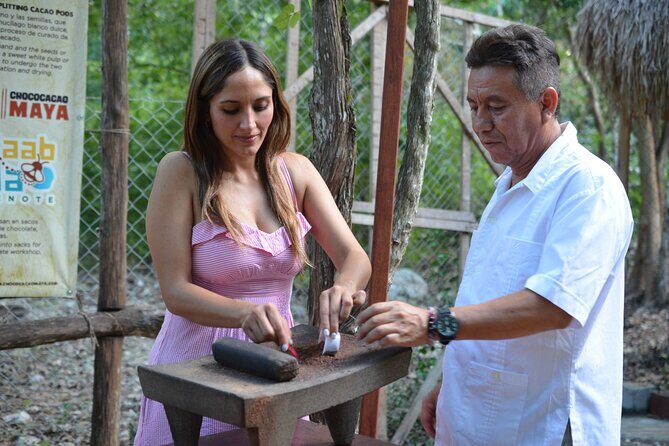
This is a workshop experience, not a lecture tour. The main goal is to teach you about honey and cacao, then let you try some of the steps that turn natural ingredients into something usable.
Here’s what’s explicitly part of the plan:
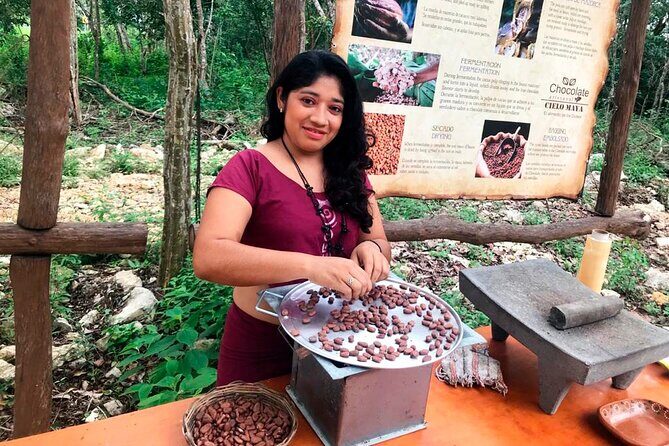
- You’ll learn about Mayan honey and cacao at the sanctuary.
- You’ll take part in a chocolate experience.
- You’ll make something with your hands—either a candle or soap is listed as part of the included experience.
Now, the practical truth: one review specifically said the soap/candle-making did not happen, even though crushing and tasting cacao did. So I’d treat the hands-on output (soap/candle) as a “included on paper” item, and the cacao tasting/crushing as the more reliable hands-on element based on what people reported.
What you can count on better:
- Cacao bean tasting and a hands-on process like crushing beans in the traditional way (reported).
- Tasting a small set of different chocolate flavors (reported).
- A guide-led explanation about how people lived near the ruins and how the ritual space is used (reported).
If you’re the type who likes to learn by doing—mixing, crushing, tasting—this structure is a good fit. If you’re coming mainly for a specific finished item (like soap you take home), bring flexibility and arrive with the mindset that it’s a shorter workshop style experience.
Chocolate mixing and honey basics: how to get more from the tastings
The chocolate part is built around natural products, and the honey part ties into the same theme: sweetness, fermentation, sourcing, and use. Even when you’re only tasting small amounts, you’re learning the “why” behind the flavors.
Here are the ways you can make those tastings more useful:
- Pay attention to texture and smell, not just sweetness. Cacao has a wide range of notes, and you’ll be tasting different flavors.
- Ask what you’re tasting when you can. The tour includes guidance, but the language level may vary depending on the guide.
- Treat it like a sampling flight. Even small tastes can help you decide which flavors you’d actually want if you were to purchase something later.
The tour description emphasizes that you can mix your own chocolate and take it away. Since one participant said certain steps like soap/candle didn’t happen, I’d still expect you’ll leave with the “food” part of the experience completed (tasting and chocolate learning), but keep your expectations realistic about take-home crafts.
Lunch built around cacao and honey (and what it’s likely to taste like)
Food is a meaningful part of this tour, not a random afterthought. The included menu centers on cacao and honey flavors, and the sample meal lists:
- Cacao Chiken: chicken prepared with natural cocoa, organic chocolate, and a little honey
- Accompanied by Mexican rice
Even if you’re not a huge chocolate person, this dish can be surprisingly approachable. Honey adds a soft sweetness that can balance cocoa’s deeper flavor. And because it’s in a savory chicken dish, you’re tasting cacao as a cooking ingredient—not just a dessert.
Two practical notes:
- Drinks are not included, so you’ll want water on hand.
- The food is listed as organic or vegan available, meaning the meal can fit different dietary needs—but you should plan to confirm what’s available when booking.
One report described the lunch as delicious, and that tracks with the way this tour is paced. You get the meal right before the water part, so you’re not starving during the cenote swim, but you also aren’t so full that swimming feels miserable.
The sacred cenote swim and the shaman’s blessing
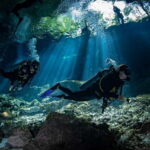
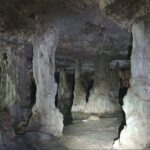
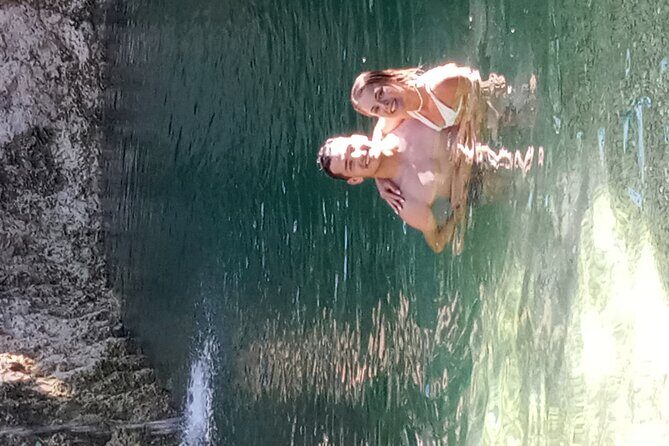
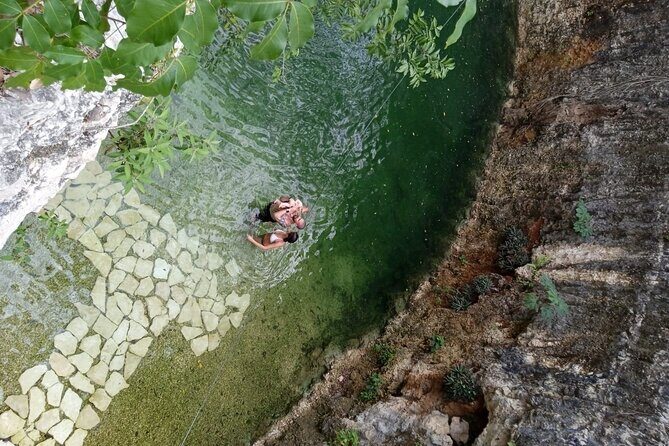
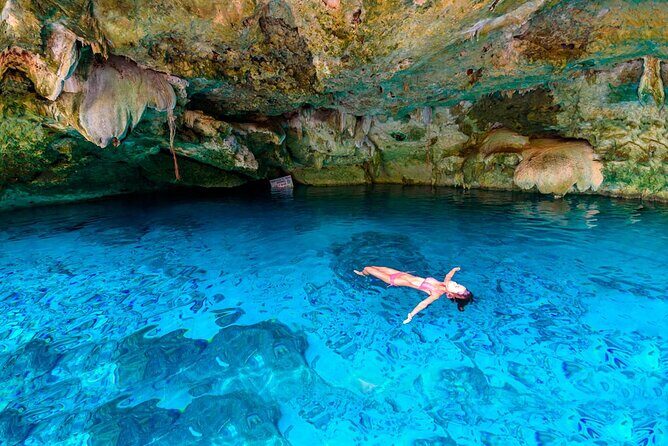
This is the moment most people remember. The tour includes a cenote entrance and a cenote swim, and it’s paired with a shaman’s blessing. That blessing piece is more than theater; it frames the water as something sacred rather than just a swimming stop.
What you should expect from the way the experience is set up:
- A guided ritual moment (a blessing) before you enter a sacred area.
- A short talk connected to the space—one report mentioned a blessing before going into what used to be a house that’s now just a couple of rocks.
- A swimming time in crystal-clear cenote water.
The biggest practical win is that you’re not just “shown a cenote.” You’re given context first, then you go in. That makes the swim feel like part of the experience rather than the photo-op to check off.
What you should consider:
- It’s a cenote swim. Bring swimwear, and plan for water time as part of the schedule.
- Since the tour is about three hours, the swim window is likely limited. If you love a long, slow soak, this won’t be that kind of day.
- Selva Maya Eco Adventure Park: Ziplining, Hanging Bridges, Rappelling and Cenote
★ 5.0 · 1,057 reviews


Pickup, timing, and the ride from Tulum
This one runs on a schedule, and the location shift is the main logistics curveball. Pickup is offered at the AKI supermarket in downtown Tulum area, beside BBVB bank. You’re then transported in an air-conditioned vehicle.
The time frame is approximately 3 hours. That’s long enough to include lunch and a cenote swim, but short enough that you’ll be moving between points at a steady pace. If you hate time-pressure, this might feel brisk—especially because you’re traveling to Cobá area.
Also, because at least one participant said the guide spoke only a little English, I’d come prepared to communicate with a patient, friendly attitude. The core activities are hands-on, so even if a few details slip, you can still enjoy the core experience.
Price and value: is $129 fair for what you get?
At $129 per person for about 3 hours, you’re paying for a packaged mix: guided sanctuary time + workshop/tastings + a meal + cenote entry and swim + air-conditioned transport.
Here’s how that can be good value:
- Cenote admission and a guided swim aren’t usually cheap on their own.
- Food is included, and it’s designed around the cacao/honey theme (not a generic lunch).
- The workshop format gives you more than a quick look—it’s meant to be participatory.
Here’s where the value can wobble:
- If you’re expecting the specific candle or soap-making to definitely happen, you should know that at least one person reported it didn’t occur.
- The location mismatch (Cobá area vs. Tulum) can feel annoying if you thought it was closer to the main town zone.
And one more buying reality check: a low-rated review claimed the company took money and didn’t show up. I can’t confirm frequency from the data you provided, but it’s a red flag worth respecting. If you book, choose a provider process that gives you strong confirmation, and keep an eye on the day-of communication.
Bottom line on value: for the people who want a short, structured cacao/honey + cenote day, $129 can feel fair. For people who want a very specific craft outcome (soap/candle guaranteed), you may want to manage expectations.
Who should book this tour (and who should skip it)
This tour is best for you if:
- You want a hands-on honey and cacao experience, not a passive tasting.
- You’re excited about swimming in a cenote and want a ritual-style framing.
- You like food that uses cacao in savory ways (like cacao chicken).
You should probably think twice if:
- You need the workshop craft outcome to be guaranteed (soap or candle made by you). The written inclusions say it’s included, but at least one report said it didn’t happen.
- You’re only interested in Tulum proper and don’t want to ride out toward Cobá.
- You’re very sensitive to schedule mismatch or day-of reliability issues, given the serious no-show claim in a low-rating review.
Should you book the Tulum chocolate and honey sanctuary with cenote?
I’d book it if you’re chasing the combo: cacao/honey learning + lunch + a sacred cenote swim in a compact 3-hour format. The cenote experience and the food are the strongest anchors of the itinerary, and the ritual blessing adds meaning that you can actually feel while you’re there.
I wouldn’t book it if your main goal is a specific take-home craft item. The soap/candle step is listed as included, but the experience may not always run exactly as written.
If you do book, go in with a helpful mindset: this is a cacao and honey sanctuary visit, paced for movement, with a center highlight on the cenote. Treat the craft step as a bonus, and the swim and tastings as the main event.
FAQ
What is included in the chocolate & honey sanctuary experience?
The tour includes a Mayan honey workshop, a chocolate experience, organic or vegan gourmet food based on honey and cacao, entrance to the cenote, and a cenote swim. It also includes air-conditioned vehicle transport and either a candle or soap made by your own handide.
How long is the tour?
It runs for about 3 hours.
Is pickup offered?
Yes. Pickup is offered at the AKI supermarket located in downtown Tulum area, beside BBVB bank.
Where does the tour actually take place?
The sanctuary is near the Cobá area, about 45 minutes inland from Tulum (the experience is described as being at a sanctuary near Cobá).
What language is the tour offered in?
The tour is offered in English.
Do you make soap or a candle?
The included list says you’ll make a candle or soap as part of the honey workshop. One report said the soap/candle step did not happen as described, so it’s worth keeping expectations flexible.
What do you eat during the tour?
Food is included, including a cacao honey-based meal. The sample menu lists Cacao Chiken (chicken prepared with natural cocoa, organic chocolate, and a little honey) with Mexican rice. Drinks are not included.
Are drinks included?
No. Drinks of any kind are not included.
Do I need to bring swimwear?
The tour includes a cenote swim, so you should plan to bring swimwear.
Who can participate?
The tour information says most travelers can participate.
You Might Also Enjoy

More Dessert Tours in Tulum
More Tour Reviews in Tulum
- Selva Maya Eco Adventure Park: Ziplining, Hanging Bridges, Rappelling and Cenote
★ 5.0 · 1,057 reviews