REVIEW · TULUM
Fine Mexican Chocolate Tasting: A Sensory Luxury Journey
Book on Viator →Bookable on Viator
Chocolate has a passport back in time. This fine Mexican chocolate tasting turns cacao into an easy, elegant way to understand Mexican food history, from pre-Hispanic recipes to today’s small-batch makers. I especially like the 10-chocolate aroma flight, and I love that the guide explains how roasting, fermentation, and conching change what you taste. One watch-out: the meeting spot in La Veleta can be a little tricky to find, so I’d build in a few extra minutes.
You’ll be guided by a certified chocolate taster named Shamira in the sessions described here, and the tone is warm, human, and practical. Expect a short, focused group experience (maximum 10 people), in English, with a set menu that preps your palate before the main tasting. It’s also worth noting the focus is on sensory learning and craft, not just grabbing a sweet snack.
For the price ($77.67 for about 1 hour 40 minutes), you’re paying for a guided tasting with multiple hand-finished chocolate pieces, plus context you don’t get from buying a single bar. If you’re the type who only wants cheap chocolate, this may feel like a splurge; if you like quality ingredients and deeper flavor, it’s a very satisfying use of time in Tulum.
In This Review
- Key things that make this tasting worth your time
- Arriving in La Veleta: what the start feels like
- The welcome chocolate: a modern intro to ancient cacao
- How the palate gets trained (the starter bites)
- The main event: 10 fine aroma chocolates and how to taste them
- What you’re really learning with the flight
- Single-origin and limited editions
- A hands-on moment (sometimes) for chocolate drink methods
- Dark chocolate mindset shift
- Dessert: pre-Hispanic chocolate bar from Oaxaca (Zapotec roots)
- The guide factor: why Shamira’s approach keeps showing up as the highlight
- What’s the shopping vibe like after tasting?
- Price and value: what $77.67 buys you in real terms
- Who should book this tasting (and who might skip it)
- Should you book Fine Mexican Chocolate Tasting in Tulum?
- FAQ
- How long is the chocolate tasting in Tulum?
- What does the tasting include?
- Where do I meet, and where does it end?
- Is it offered in English, and how big is the group?
- How much does it cost?
- Do I get a mobile ticket, and how will I know it’s confirmed?
- What happens if the weather is bad or I need to cancel?
Key things that make this tasting worth your time
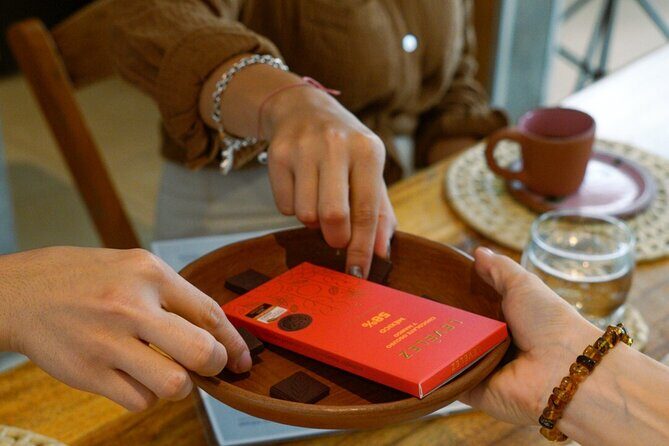
- A 10-chocolate aroma flight that trains your nose and palate, not just your mouth
- Pre-Hispanic chocolate styles showing cacao as it was used long before modern bars
- Palate prep bites (like cacao nibs with yogurt and honey) that make later flavors easier to notice
- Single-origin and limited-edition chocolates from biodiverse cacao regions you usually won’t find elsewhere
- How cacao gets from pod to flavor: fermentation, roasting, and conching explained in plain terms
- A guide named Shamira who blends history, craft, and thoughtful sourcing concerns
Arriving in La Veleta: what the start feels like
The experience meets at ZONA NOVEC on 9 Sur between Calle 6 Sur and 4 Sur, in La Veleta, Tulum. It’s close to public transportation, and the tour ends back at the same place. The practical reason I like this setup: you’re not stuck with a long transit plan or trying to coordinate rides after chocolate.
The sessions are designed for small groups—up to 10 people—which matters because you actually get to taste and talk, not just stand in line. You’ll also have a mobile ticket, and you should plan on confirmation when you book.
Timing is part of the charm. You’re there long enough (about 1 hour 40 minutes) to learn the process behind flavor, but short enough that you can still do other Tulum plans afterward. In other words: it’s an easy fit for a day that’s already packed with beaches, cenotes, and sun.
And yes, there’s one mild logistical snag: one description mentions some difficulty finding the location. My advice is simple—arrive a few minutes early, double-check the address, and if you’re unsure, ask locally rather than stressing. Chocolate won’t taste better if you run there on ten minutes of sleep.
You can also read our reviews of more food & drink experiences in Tulum


The welcome chocolate: a modern intro to ancient cacao
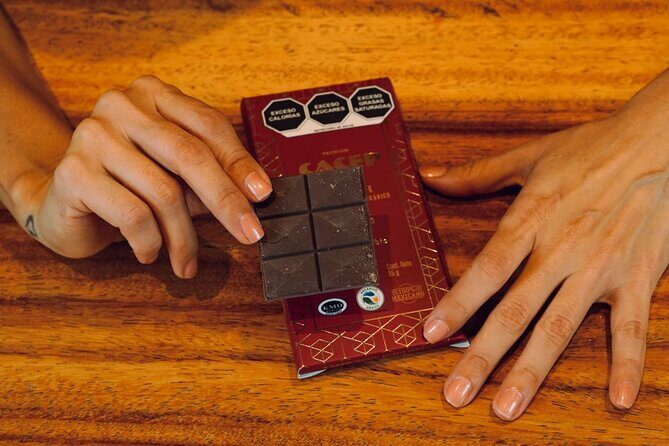
Before you get the full flight, you start with a welcome piece—a sophisticated chocolate inspired by early cacao traditions—but served in a modern, minimal style. This first bite is more than a courtesy. It acts like a baseline.
Here’s what that helps you do as a taster: it teaches your brain to switch modes from sugary desserts to flavor reading. You’re not just waiting for sweetness; you’re starting to notice aroma, texture, and how the chocolate changes over a few seconds.
Shamira’s style, as described in the sessions, is big on explaining while you taste. That combo is what makes the tasting feel like a cultural lesson instead of a product demo.
How the palate gets trained (the starter bites)
You’ll move through starters that prepare you for the main tasting. The menu described here is:
- Pre-hispanic ceremonial-style chocolate
- Greek yogurt with cacao nibs and honey
- Sugar-coated cacao beans
This part is smart because it stops the tasting from being one-note. The ceremonial chocolate sets the cultural frame. The yogurt with cacao nibs and honey helps separate flavors—creamy dairy, crunchy nibs, and sweetness—so you get a mental map. Then the sugar-coated cacao beans add another texture and an aroma signal that makes the later bars easier to read.
What I like about this structure is that it teaches you what to pay attention to. By the time the main chocolates arrive, you’re not guessing. You’re starting to think like a taster.
The main event: 10 fine aroma chocolates and how to taste them
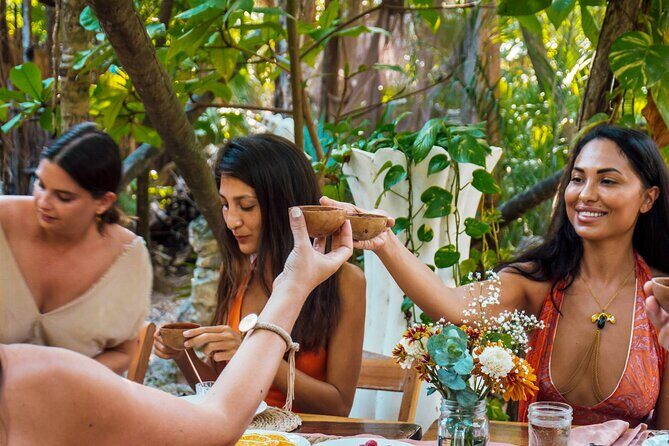
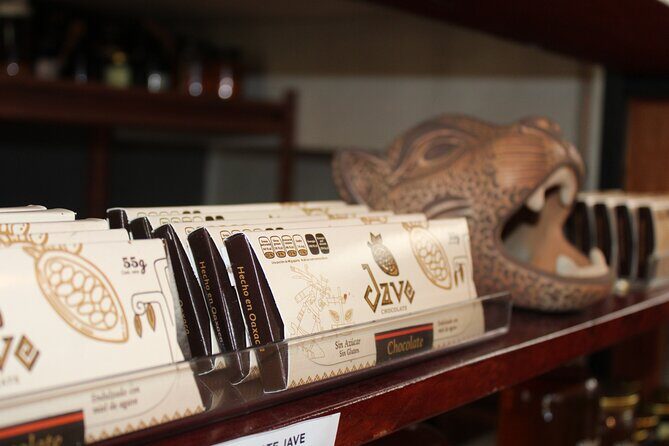
The centerpiece is the main: 10 fine aroma chocolates—a flight of small-batch, award-winning, aromatic chocolates from top Mexican makers.
A flight is a great format in Mexico because it beats the all-or-nothing problem. Instead of committing to one bar, you learn how different makers express cacao through different choices in processing and ingredients.
What you’re really learning with the flight
This tasting isn’t just about flavor. You’re also learning the mechanics behind flavor:
- how terroir affects cacao character
- how fermentation shapes aroma
- how roasting changes taste
- how conching affects texture and smoothness
That matters because many people assume chocolate flavor is mostly about sugar or marketing. Here, you’ll see that the cacao itself carries a lot of the story.
You can also read our reviews of more tours and experiences in Tulum



Single-origin and limited editions
You’re also promised single-origin cacao from biodiverse regions across Mexico, plus limited-edition creations that are rarely available outside the country. Again, this isn’t filler. It gives you a chance to taste cacao like a food ingredient with a specific origin, not just a commodity.
A hands-on moment (sometimes) for chocolate drink methods
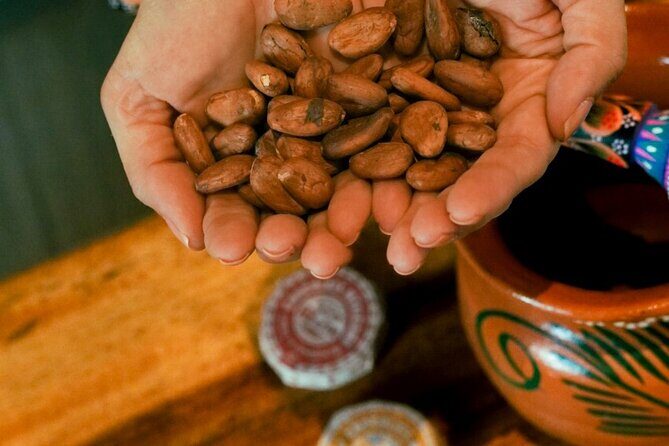
One session description mentions a hands-on moment with an older process to make chocolate milk or chocolate water using an instrument. That’s not listed as a formal menu item, but it appears as part of at least some sessions. If it’s offered during your time, take it. It turns the tasting into a practical, lived-in understanding of cacao traditions.
Dark chocolate mindset shift
One participant described a shift toward dark chocolate after the explanation. The key point wasn’t just that dark is trendy—it was the explanation of why some mass-produced dark bars can taste bitter. The guide emphasized that Mexican-style dark chocolate can taste different, and she also shared a rule of thumb: if chocolate has more than about 4–5 ingredients, it likely isn’t the best quality.
You should treat that as a tasting philosophy, not a universal law, but it’s a useful guide when you’re shopping later.
Dessert: pre-Hispanic chocolate bar from Oaxaca (Zapotec roots)
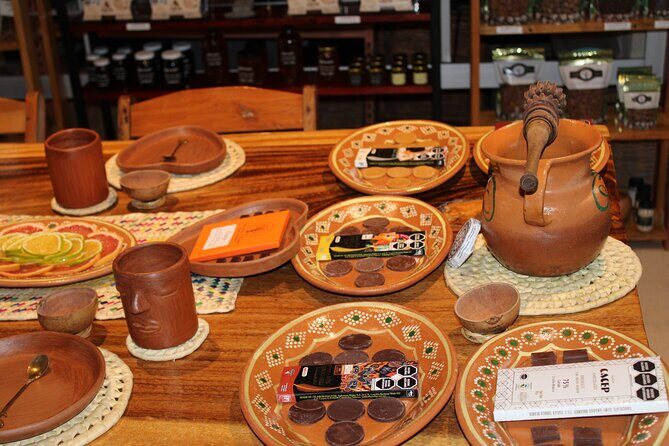
After the flight, you finish with a pre-hispanic chocolate bar made by hand using a traditional recipe from the Zapotec indigenous people from Oaxaca.
Dessert is often an afterthought in tours. Here it’s a closing argument. If the main flight taught you how modern makers shape aroma, the Oaxaca-style bar reminds you that Mexican chocolate culture didn’t start with factories—it came from people using cacao in daily and ceremonial life.
This also gives you a contrast you can actually taste. Even if the flavor notes change, you’ll be able to connect what you tasted to a place and a tradition.
The guide factor: why Shamira’s approach keeps showing up as the highlight
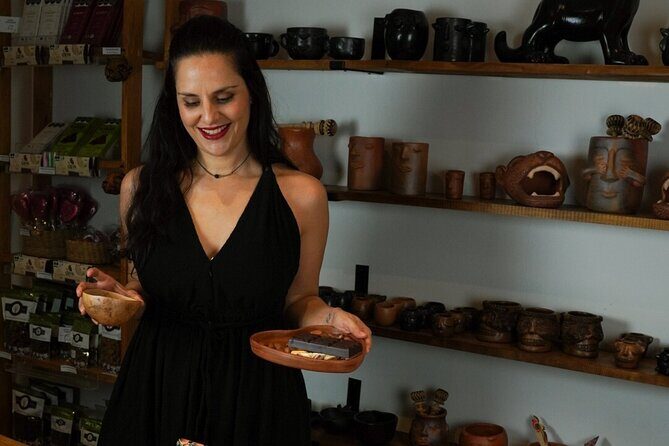
In multiple descriptions, the biggest praise goes to the guide’s warmth and clarity. Shamira is singled out for storytelling and a high level of passion, with a teaching style that links history, plant details, and flavor mechanics.
A few specific things that come through strongly:
- She talks about the cacao plants and harvesting delicacy, not just finished chocolate.
- She connects legends and medicinal purposes to the broader cultural context.
- She doesn’t avoid modern questions like fair sourcing, including warnings about unethical labor practices tied to mass production.
- She explains European-style chocolate differences in taste and why Mexican chocolate can come across smoother or more flavorful.
Even if you already know some food history, the way this gets tied to tasting makes it stick. And if you’re new to cacao, it gives you a clean, organized entry point.
What’s the shopping vibe like after tasting?
You don’t just leave with your brain full of flavor words. There’s also a shop angle. One description mentions Mayan honey sold there, and the honey was highlighted as a memorable add-on to take home.
I treat that as a practical note for you: if you want edible souvenirs, this is where to look. If you only want souvenirs that fit in a suitcase, honey jars can be a better bet than fragile chocolate bars—depending on how you pack and how long your trip lasts.
Also, because the tasting is focused on makers and single-origin craft, you’re more likely to understand what you’re buying than if you just follow a candy counter impulse.
Price and value: what $77.67 buys you in real terms
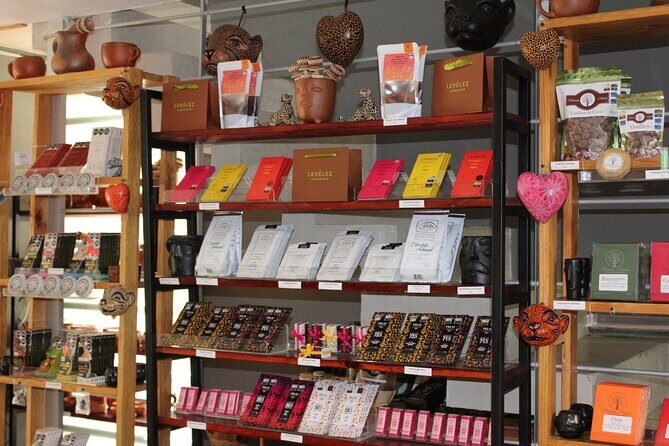
At $77.67 per person, this isn’t a budget chocolate stop. You’re paying for three things:
- More than one chocolate: welcome chocolate, starter items, a 10-chocolate flight, and a traditional dessert bar
- Expert guidance in English from a certified chocolate taster
- Education that changes future shopping: terroir, fermentation, roasting, conching, plus how to taste aroma and texture
If you compare this to buying a few bars at random, the value isn’t just the quantity of chocolate. The value is the sorting skill you get: you learn how to tell the difference between processing choices and marketing claims.
If you’re a casual sweet tooth who wants a quick snack, you can do cheaper. But if you want a focused, small-group sensory experience in Tulum that teaches you how to taste Mexican cacao with real context, the price starts to make sense.
Who should book this tasting (and who might skip it)
This is a strong match for you if:
- you like food tours that explain how ingredients become flavors
- you care about quality, origin, and craft
- you enjoy tasting flights and comparing notes
- you want a cultural food experience that fits neatly into a busy Tulum day
You might skip it if:
- you only want a quick bite and don’t care about process
- you’re sensitive to strong cacao flavors and want very mild sweetness
- you dislike small-group tours (though this one stays under 10)
Should you book Fine Mexican Chocolate Tasting in Tulum?
I’d book it if you’re the kind of traveler who remembers meals, not just destinations. This works as an anchor activity: it teaches you how to taste, then sends you into Tulum with a sharper palate.
A good call comes down to two checks:
1) Are you excited to taste multiple chocolates and compare aromas and textures?
2) Can you handle a bit of locating the meeting point in La Veleta and arriving a little early?
If yes, this is one of the more meaningful uses of time you can make in Tulum, because cacao is the story you get to taste.
FAQ
How long is the chocolate tasting in Tulum?
It runs about 1 hour 40 minutes (approx.).
What does the tasting include?
You’ll sample a welcome chocolate, starter bites (including pre-hispanic ceremonial-style chocolate, Greek yogurt with cacao nibs and honey, and sugar-coated cacao beans), a main flight of 10 fine aroma chocolates, and a pre-hispanic chocolate bar from Oaxaca.
Where do I meet, and where does it end?
You meet at ZONA NOVEC, 9 Sur entre CALLE 6 SUR y 4 SUR, La Veleta, 77760 Tulum, Q.R., Mexico. The activity ends back at the same meeting point.
Is it offered in English, and how big is the group?
It’s offered in English and has a maximum group size of 10 travelers.
How much does it cost?
The price is $77.67 per person.
Do I get a mobile ticket, and how will I know it’s confirmed?
You’ll receive a mobile ticket, and confirmation will be received at the time of booking.
What happens if the weather is bad or I need to cancel?
The experience requires good weather. If it’s canceled due to poor weather, you’ll be offered a different date or a full refund. It also allows free cancellation up to 24 hours in advance for a full refund.
You Might Also Enjoy

More VIP Experiences in Tulum
More Food & Drink Experiences in Tulum


More Tour Reviews in Tulum
- Selva Maya Eco Adventure Park: Ziplining, Hanging Bridges, Rappelling and Cenote
★ 5.0 · 1,057 reviews