REVIEW · TULUM
Tulum : Dos Ojos cenote 2 scuba dives (certified divers)
Book on GetYourGuide →Operated by La Calypso Dive Center · Bookable on GetYourGuide
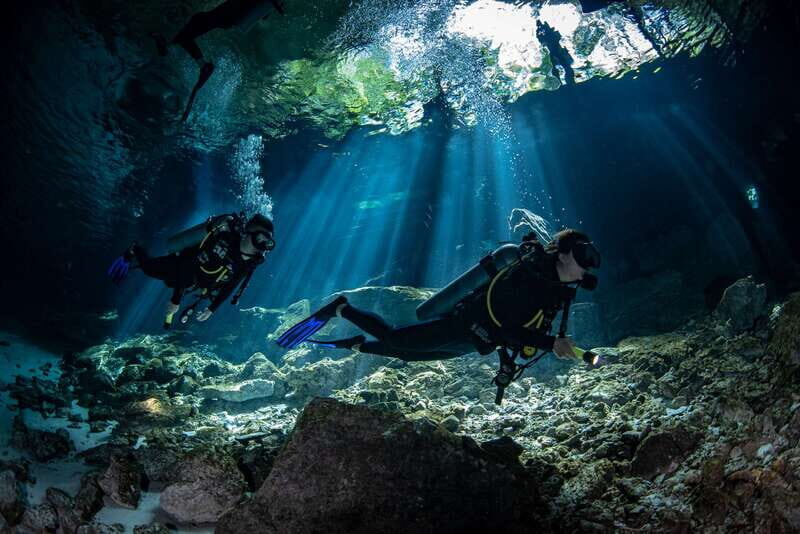
Cenotes change your sense of scale. Dos Ojos is one of the best places in Tulum to feel that for real: you’ll swim through a cavern packed with stalactites and stalagmites while you keep natural light in view. I love the chance to do two separate underwater sessions in one half-day, which lets you see more than a quick single pass. One thing to consider first: you’ll carry your tank down 15 stairs, so bring a steady pace and good grip.
This is built for certified divers who want structure and safety without a huge crowd. La Calypso runs a small group limited to 4, and the guides in this program are known for being organized and personable—Ruby in particular gets called out for being fun and accommodating, and Marcos is praised for explaining the cenotes clearly.
In This Review
- Key highlights you’ll remember
- Why Dos Ojos feels like a different planet in Tulum
- Where you meet La Calypso and what the start feels like
- Two 40-minute underwater sessions in the same cenote system
- What the cenote swim actually feels like
- The stairs and the gear: what you’ll handle before you go down
- Certification requirement you should not ignore
- What you’ll see underwater: formations, fossils, and the halocline
- Why the route and timing matter for photos
- Guides and small-group comfort: Ruby and Marcos stand out
- Price and value: is $199 worth it?
- Who this fits (and who should choose a different plan)
- Should you book Dos Ojos with La Calypso?
- FAQ
- What is the total time for this Dos Ojos plan?
- How much does it cost?
- Do I need scuba certification?
- How long are the two underwater sessions?
- What’s included in the price?
- What should I bring?
- Are hotel pick-up and drop-off included?
- How does getting to the cenote work on arrival?
- How many people are in the group?
- Is this suitable for kids or older adults?
Key highlights you’ll remember
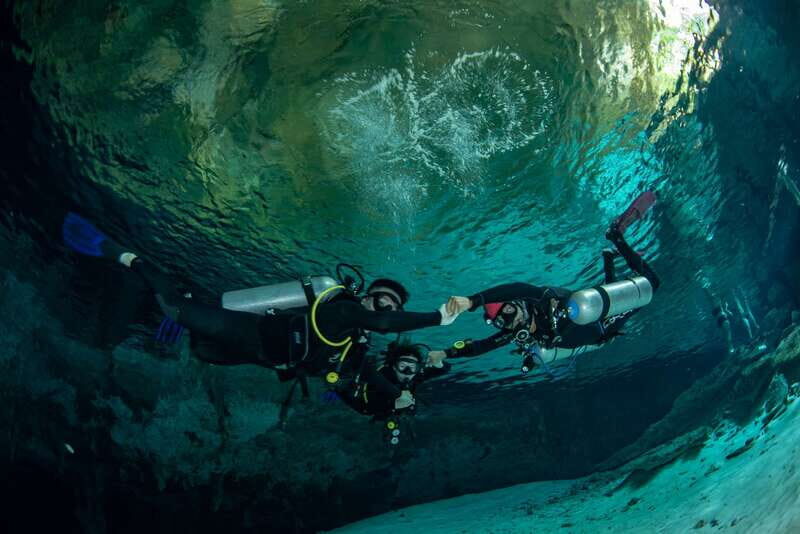
- Two underwater sessions in Dos Ojos within a 5.5-hour plan
- Cavern scenery with cathedral-like formations and clear water
- Natural light throughout, so you’re not staring at darkness all the time
- Safety-focused setup with ample space, exits nearby, and multiple air points
- Guide-led experience where you learn what you’re seeing (halocline, fossils, formations)
Why Dos Ojos feels like a different planet in Tulum
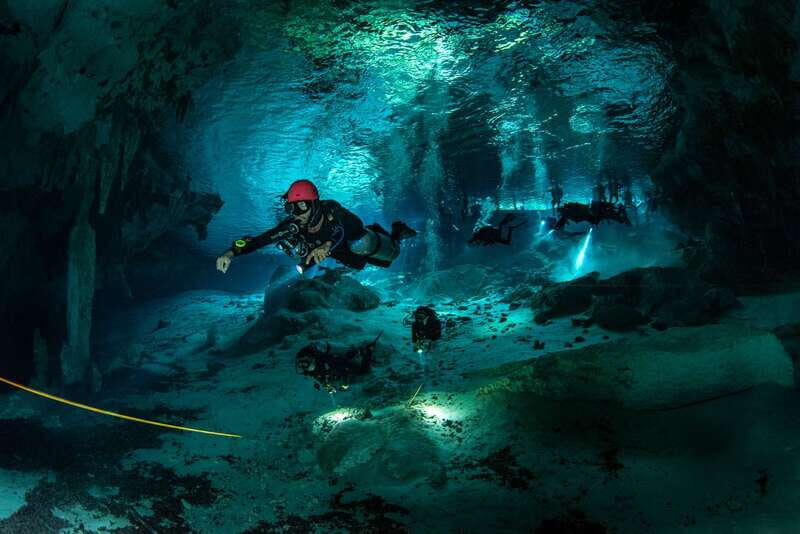
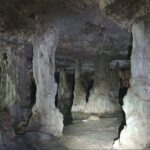
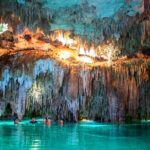
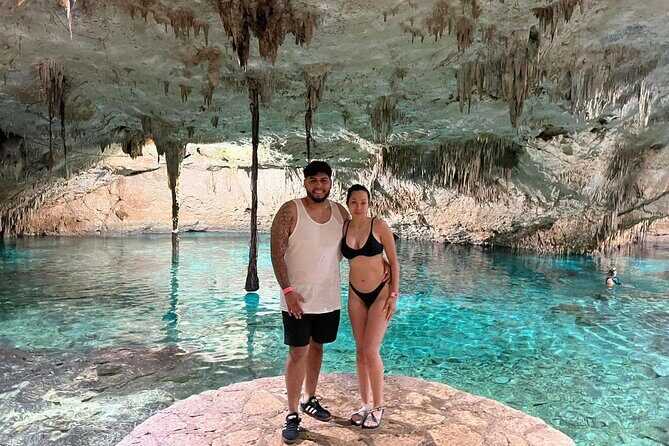
Dos Ojos isn’t just “pretty water.” It’s a whole system underground, shaped by limestone over a very long time, and you get to experience it while staying connected to the light above. The cavern is full of dramatic mineral structures—think stalactites hanging down and stalagmites rising up—so even if you’ve done underwater work before, the scenery here reads like a living cathedral.
What I like for you as a diver is that Dos Ojos is designed for visibility and orientation. The experience includes lights and a 5 mm wetsuit, but you’re also meant to keep visual contact with natural light. That mix matters: it helps you feel less boxed in, and it makes the cavern textures easier to appreciate instead of turning the whole trip into a “follow the beam” routine.
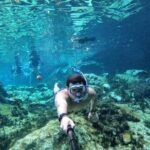
And yes, the water color is a big part of the magic. One guide-led group describes the entry color as striking and the clarity inside as super clear, which is exactly what you hope for at this cenote. When conditions line up, you really do get that turquoise, otherworld feel—without needing a filter or a camera trick.
You can also read our reviews of more tours and experiences in Tulum.

Where you meet La Calypso and what the start feels like
Your meeting point is the La Calypso area in Tulum, in a small cabin-like setup inside a wide tropical garden with a stone wall. The GPS is 20.212396, -87.462935. If you’re coming from the north, you turn right at the traffic light in front of Pollos El Pechugon and Kahlua bar, then look for the cabin at the corner with 2nd street on your right.
Why this matters: cenote days can feel chaotic if you show up late or unsure where to park. This meeting point is specific, and it’s not a massive hotel lobby operation. Plan to arrive early enough to check in calmly, use the bathroom, and mentally switch gears into “gear and stairs” mode.
The tour includes round-trip transportation between the dive center and the cenotes, but it doesn’t include hotel pick-up or drop-off. So you’ll want your own plan to get to La Calypso first. In practice, that means building a little buffer so you’re not rushing at the start.
Two 40-minute underwater sessions in the same cenote system
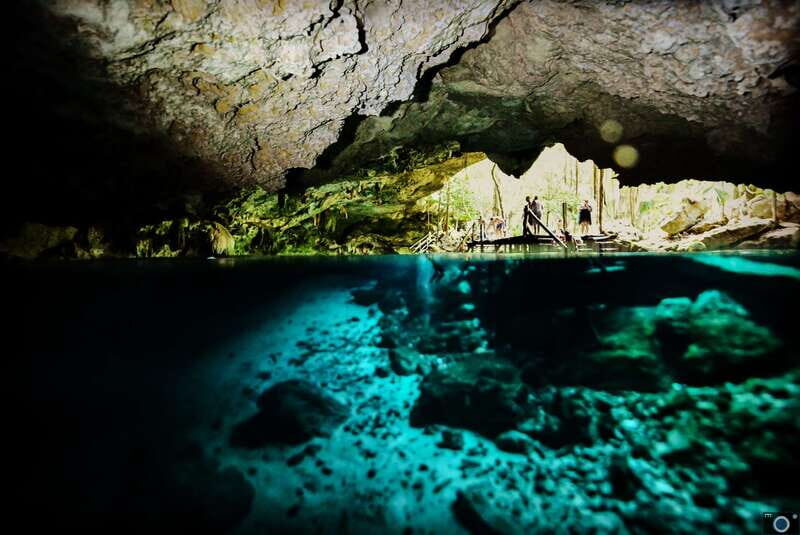
This is one of those half-day plans that works because it gives you time. You’ll do a first underwater session of about 40 minutes, then you get a 15-minute break, then you return for a second 40-minute underwater session.
That structure is genuinely useful. After the first session, you’re not just coming up empty-handed—you’ve already seen the cavern and built comfort with the feel of the environment. Then the break gives you space to reset before the second pass, when you can focus more on details like formations and the way the water changes with depth.
You also benefit from staying in the same cenote system for both sessions. Dos Ojos has its own character. Doing it twice within one visit helps you notice more: how the cavern opens and narrows, where natural light falls, and how the water conditions can shift along the route.
What the cenote swim actually feels like
Inside the cavern, the tour setup aims to keep you close to safety points. You’re guided through a route with ample space, positioned close to an exit, and with numerous air holes around. That’s not just “nice to have.” It’s the difference between a relaxed experience and one where everyone is hyper-focused on anxiety instead of scenery.
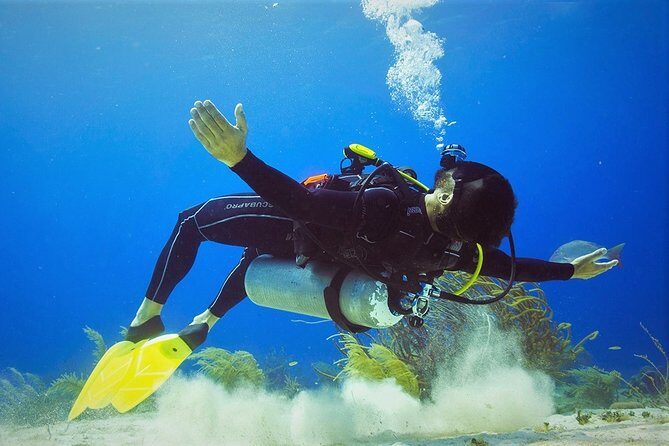
And because there’s natural light, the cavern doesn’t turn into a tube of darkness. You’ll still use your gear, but you’ll be able to look around and actually take in the stalactites and stalagmites instead of fighting your own visibility.
The stairs and the gear: what you’ll handle before you go down
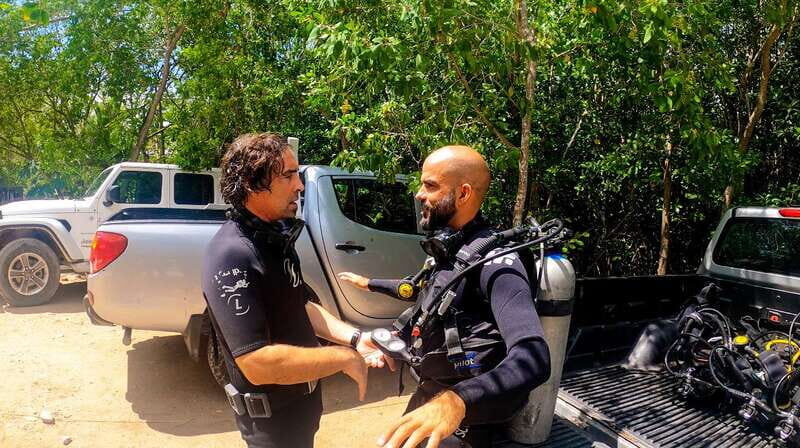
Before any underwater time, you’ll deal with a very practical part of cenote diving: stairs. The plan calls for carrying your tank down 15 steps. That’s one of the biggest “real world” differences between a cenote and a typical open-water entry.
So here’s the practical advice I’d give you: wear footwear with a solid grip for the stairs day, and keep your hands ready for balance. Don’t try to rush the first steps. If you’re new to tank-carry logistics, expect it to feel heavier than you think until you’re halfway down.
The good news is the tour provides the equipment and makes it manageable. You get scuba gear, including lights and a 5 mm wetsuit. Having the wetsuit sized and the light provided means you can focus on buoyancy and control rather than improvising.
- Selva Maya Eco Adventure Park: Ziplining, Hanging Bridges, Rappelling and Cenote
★ 5.0 · 1,057 reviews

Certification requirement you should not ignore
This experience is for certified divers only. It’s described as accessible starting at level 1 / Open Water, but the tour still requires certification. If you’re not certified yet, you’ll want to choose a different plan first, because you won’t be eligible here.
The day also isn’t suitable if you have medical limitations listed by the operator, including respiratory issues or other pre-existing medical conditions. It’s also not for pregnant women, non-swimmers, children under 15, or people over 70. If any of that applies, skip this and look for safer alternatives.
What you’ll see underwater: formations, fossils, and the halocline
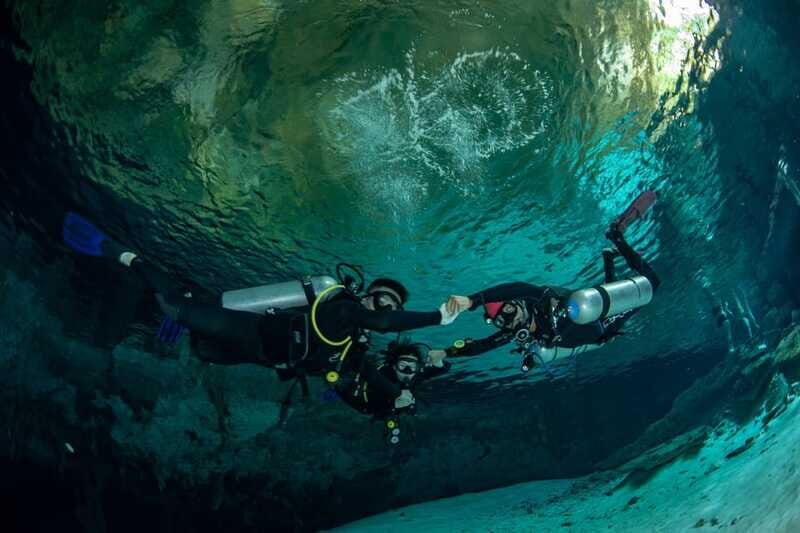
Dos Ojos earns its reputation because the cavern is packed with visual detail. In this experience, you can observe many types of limestone formations, and the tour info also points to the possibility of seeing fossils and prehistoric bone formations. That part can feel a little surreal underwater—like you’re reading time through stone.
You may also spot native animal species, depending on conditions and route. Cenotes aren’t theme parks; animal sightings aren’t guaranteed, but the guides are there to help you look without disturbing the environment.
One term you might hear from your guide is halocline. The halocline is a layer in water where different water properties meet, and it can create noticeable effects in appearance. You don’t need to turn into a scientist—just listen and watch. On a good visibility day, those changes can be part of the wow factor.
Why the route and timing matter for photos
If you care about photos, this plan is built better than many “fast and gone” trips. You get enough time to settle and look, and the cavern lighting helps your camera in a real way. A diver guide mention includes getting amazing photos on the trip, and that makes sense: the water clarity and cavern structure do a lot of work for you.
Bring a plan for your hands too. Underwater, you’ll naturally want to move slowly, and your light and buoyancy control matter more than speed. If you rush, you’ll fight the environment. If you move calmly, you’ll likely get sharper shots and smoother body position.
Guides and small-group comfort: Ruby and Marcos stand out
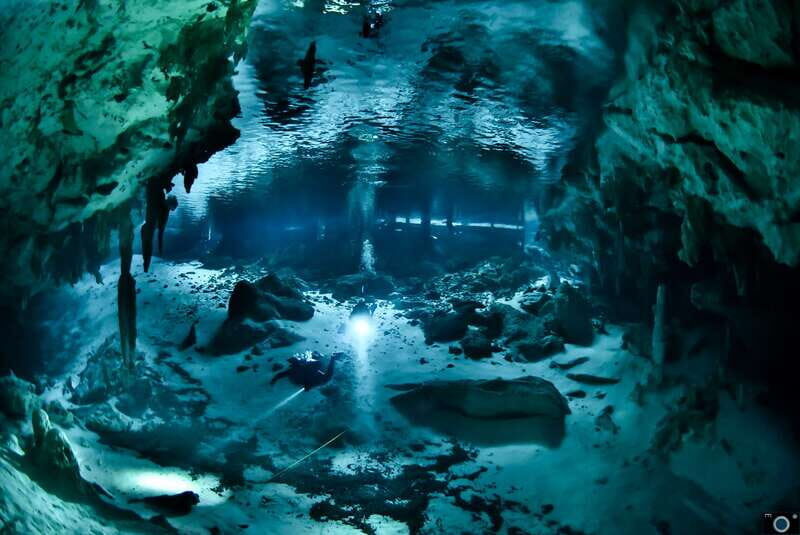
This is a small group limited to 4 participants, which is a big deal in cenote conditions. Less crowd means less bumping, less waiting around, and easier communication during the underwater route.
The guides also get called out in a consistent way. Ruby is described as accommodating, funny, and personable, with good energy and even helpful local tips afterward (like directing someone to a great taco spot). Marcos is highlighted as informative about the cenotes, which matters because Dos Ojos isn’t just sight-seeing—you’re looking at formations and conditions with a story behind them.
Language support is listed as French, Spanish, and English, so you can expect the briefing and guidance to be clear. If you want to understand what you’re seeing, this is one reason the experience feels rewarding beyond the scenery.
Price and value: is $199 worth it?
At $199 per person for a 5.5-hour day, the value depends on what you’d otherwise pay to piece things together. Here you’re not just paying for a tank and a guide. You’re getting:
- Round-trip transportation from the center to the cenotes
- Scuba equipment (including lights and a 5 mm wetsuit)
- An instructor
- Two structured underwater sessions with a break between
That package is a strong deal if you don’t want to shop for gear, coordinate timing, and manage the practical logistics yourself. You’re also doing Dos Ojos twice in one trip window, which increases your “time in the good parts” compared with many one-session options.
The main cost you should budget outside this price is food. Lunch and breakfast aren’t included, and there’s no hotel pick-up/drop-off. If you’re hungry after a long morning (you will be), plan food before or after so the day stays smooth.
Who this fits (and who should choose a different plan)
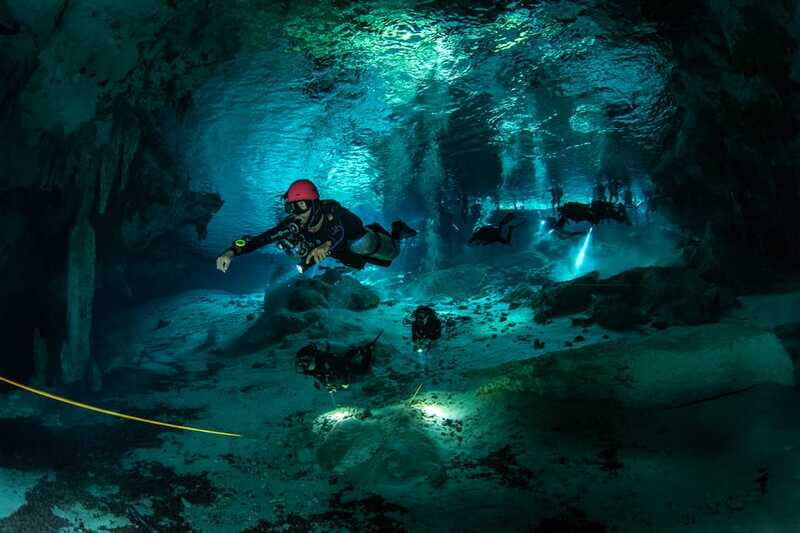
This experience is best for certified divers who want an organized, safety-minded cavern experience. It’s especially good if you want more than a quick look and you like being in smaller groups with room to move.
It’s not a match if you:
- Are not certified
- Have listed medical limitations (including respiratory issues or pre-existing medical conditions)
- Are non-swimmers
- Are pregnant
- Are outside the age limits (under 15, or over 70)
If you’re a confident Open Water diver looking for one Tulum activity that feels truly special, this fits well. And if you’re the type who loves learning the meaning behind natural features—limestone history, fossil possibilities, halocline effects—you’ll get more from the route.
Should you book Dos Ojos with La Calypso?
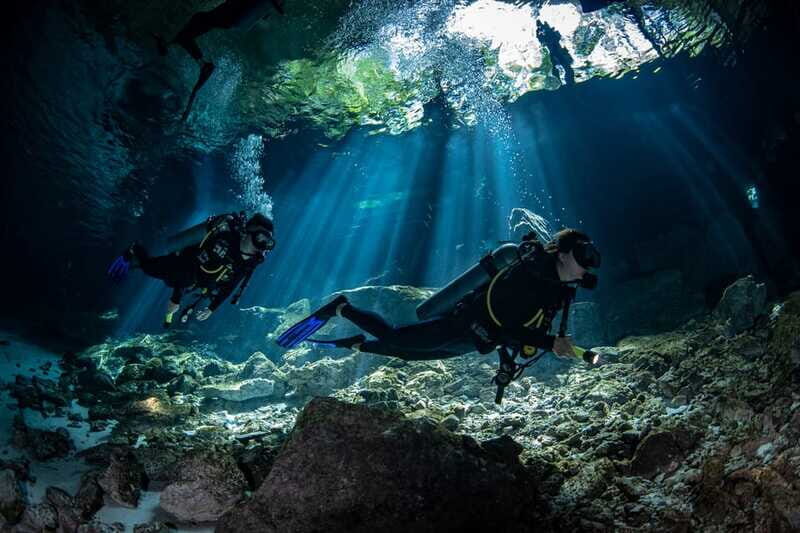
Book it if you want two time blocks underwater in one famous cavern, with gear provided, a small group, and guides who explain what you’re seeing (Ruby and Marcos are good examples of the standard you can expect). The safety layout—exits nearby and air points—also makes this feel like a well-run experience rather than a free-for-all.
Skip it if you’re unsure about stairs or you fall into the eligibility limits tied to age, certification, swimming ability, or medical conditions. Cenote days are not the time to improvise.
If you’re ready for cavern scenery and clear water, this is one of those Tulum plans that stays in your memory because it’s not just a pretty stop. It’s a controlled, learn-as-you-go underwater experience inside one of the area’s most famous cenotes.
FAQ
What is the total time for this Dos Ojos plan?
The duration is 5.5 hours.
How much does it cost?
It’s $199 per person.
Do I need scuba certification?
Yes. This is for certified divers. The experience is described as accessible starting at level 1 / Open Water.
How long are the two underwater sessions?
Each underwater session is about 40 minutes, with a 15-minute break in between.
What’s included in the price?
You get round-trip transportation from the center, scuba equipment, and an instructor.
What should I bring?
Bring your diving certification and swimwear. You’ll also want to be ready for the stairs with your tank.
Are hotel pick-up and drop-off included?
No. Hotel pick up and drop off aren’t included.
How does getting to the cenote work on arrival?
You’ll use stairs down to the cenote carrying your tanks, with 15 steps.
How many people are in the group?
It’s a small group limited to 4 participants.
Is this suitable for kids or older adults?
It’s not suitable for children under 15 and it’s also listed as not suitable for people over 70.
You Might Also Enjoy

More Tour Reviews in Tulum
- Selva Maya Eco Adventure Park: Ziplining, Hanging Bridges, Rappelling and Cenote
★ 5.0 · 1,057 reviews