REVIEW · PLAYA DEL CARMEN
Try dive in Cozumel island
Book on Viator →Operated by Dive Guru · Bookable on Viator
Two reef sessions, zero guesswork.
This Cozumel scuba outing is built for first-timers, with structured coaching from the marina to the reef. I love the small group attention and how the plan starts with shallow-water practice before you go anywhere deeper. The instruction is hands-on, including how to use equipment, safety rules, and underwater communication.
One thing to budget for: the round-trip ferry ticket ($30) is not included in the $200 price, and it’s usually the main add-on. Also, the operator asks for good weather—no weather, no go.
In This Review
- Quick hits before you go
- From Playa del Carmen to Cozumel: the ferry start time matters
- Meet the crew and get set up: equipment, rules, and signals
- Shallow-water skills first, so breathing feels normal
- Two reef-ready sessions around Cozumel (max 12 m)
- What makes the reef stop feel worth it: fish, eels, rays, turtles
- Price and logistics: what the $200 really buys you
- Who should book this Cozumel scuba outing
- What to bring and how to make the day smoother
- Should you book this Cozumel scuba experience?
- FAQ
- What time does the tour start?
- Where do I meet for the experience?
- Is pickup included?
- How many people are in the group?
- How long is the underwater experience, and how deep do you go?
- What’s included in the price, and what costs extra?
Quick hits before you go
- Small-group setup: the experience caps at 4 travelers, and instruction is typically handled in very small in-water groups.
- Training that starts shallow: you’ll begin in water just deep enough to stand to get comfortable with breathing and basic skills.
- Two underwater sessions: each one runs about 30–40 minutes with a max depth of 12 m (36 ft).
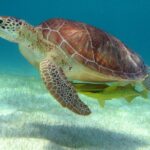
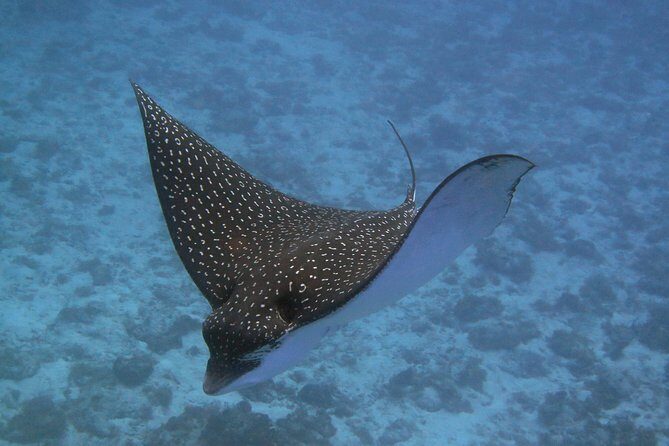
- Reef time with real sea life: expect fish and larger wildlife like rays, turtles, and moray eels.
- Real coaching, not just equipment: your instructor explains the gear, safety rules, and even the basics of physics and physiology.
- Gear and water included: you get scuba equipment use plus bottled water (photo/video is optional).
From Playa del Carmen to Cozumel: the ferry start time matters
This trip is timed around the morning ferry crossing, and the meeting point is set at the Ultramar Ferry terminal in Playa del Carmen: Ultramar Ferry Playa del Carmen, C. 1 Bis Sur Manzana 7 Lote 17, Playacar, 77400. You meet at 10:00 am, and the activity ends back at the same meeting point.
That matters more than it sounds. A day trip like this lives and dies by the ferry schedule and weather. If you tend to run late, add extra buffer, because you’re joining a tight, coordinated morning plan—gear setup, transport to the marina, then training. You don’t want a last-minute scramble when everyone else is already suited up.
If you’re not staying right by downtown Playa or Playacar, pickup can be arranged for an extra charge. So if you want door-to-door convenience, it’s worth confirming whether your exact location qualifies without a surcharge.
You can also read our reviews of more tours and experiences in Playa del Carmen.

Meet the crew and get set up: equipment, rules, and signals
In Cozumel, you’ll board a scuba boat from the marina. Before you ever go underwater, the instructor focuses on getting you comfortable with the tools and the rules.
Here’s what you should expect up front:
- equipment prep and how it works
- safety rules you’ll use during the whole session
- basic physics and physiology of scuba
- underwater communication methods
That combo is the part many beginner scuba experiences skip. You’re not just learning what to do—you’re learning why it works. When you understand breathing under pressure and how to respond calmly, you stop feeling like you’re guessing. You also get a practical sense for how to signal to your instructor, which keeps things smooth once you’re at the reef.
One review I found especially reassuring mentioned Lena as the best instructor for a newbie. The praise wasn’t vague. It called out her ability to teach communication and technique while still showing you the beautiful places to see sea life. If you’re nervous, that teaching style is exactly what you want.
Shallow-water skills first, so breathing feels normal
The day’s pacing is smart: you start in a shallow area near the shore, where the water is just deep enough to stand. That setup is not just for comfort—it’s for control.
In this first stage, you’ll practice:
- breathing while underwater
- basic skills required for the rest of the day
- getting used to buoyancy and staying calm
Then you do a short swim/second step at the shallow area before returning to the boat for a break. This is where you build confidence fast, because you’re not immediately dealing with depth, current, or complicated navigation. You’re focused on breathing and fundamentals.
For first-timers, I like this approach because it cuts the “sink-or-swim” feeling. You’ll still work your brain and follow instructions, but you’re doing it in conditions that let you succeed. And because the instruction-to-student ratio is designed for small groups (often 2–3 students per instructor), you can ask questions and correct mistakes early.
Two reef-ready sessions around Cozumel (max 12 m)
After the shallow practice, the day shifts into the fun part: the reef.
Between the two underwater sessions, the plan builds in downtime. You’ll rest on the boat, have lunch during the surface break, and change air tanks before the second go. It’s a relief when the schedule is paced like this, because it reduces stress. You can re-focus, drink water, and let the first session settle into muscle memory.
Your two underwater sessions are typically 30–40 minutes each, with a max depth of 12 m (36 ft). That depth limit is beginner-friendly. It’s not “tiny puddle scuba,” but it’s also not asking you to handle extreme pressure or advanced navigation. The result is a route that’s realistic for people who’ve never done scuba before.
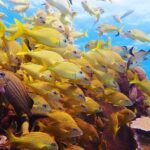
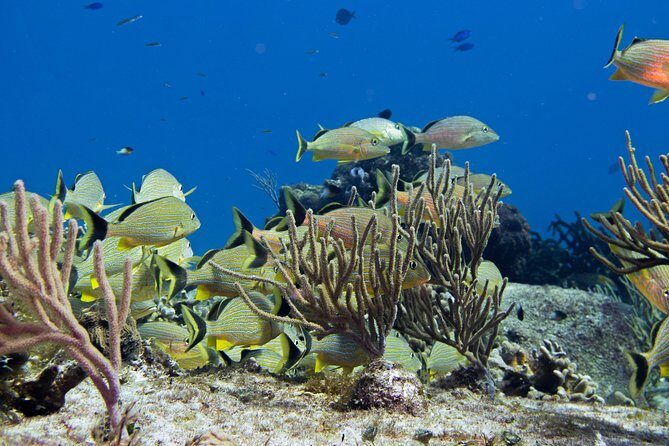
You’ll do the second session on a reef area known for fish and wildlife. Based on what people actually reported seeing, expect a good chance at:
- colorful schools of fish
- moray eels
- rays
- lobsters (including spiny lobster)
- turtles
In one praised experience, the list included parrot fish, spiny lobster, angel dish, and dragon fish, plus moray eel and lots of other colorful species. Another detail worth noting: the experience can include extended underwater time. One review described more than two hours total in the water, which suggests the pacing tends to be thoughtful rather than rushed.
What makes the reef stop feel worth it: fish, eels, rays, turtles
A lot of scuba trips sell “big wildlife” but deliver a lot of blank water. This plan is different because the structure sets you up to notice things.
You’re trained first, then you go. That means you’re not so busy trying to remember hand signals or cope with your breathing that you miss the reef. Once you’re stable, you can actually look. And when you look, you see the characters that make Cozumel famous.
Based on the sightings described, here are some of the wildlife highlights to keep your eyes open for:
- Parrot fish: bright colors and constant movement across the reef
- Moray eel: often spotted by staying patient and watching crevices
- Spiny lobster: easy to overlook if you rush
- Rays: usually seen with a slower scan of the water around the reef
- Turtles: the kind of sight that changes the mood of the whole day
And yes, there are plenty of colorful “everywhere fish” moments too. In the strongest review, the instructor didn’t just teach—she also pointed out where sea life was likely to show and helped students connect the dots between technique and what they could see.


Price and logistics: what the $200 really buys you
The listed price is $200 per person for this 7-hour (approx.) experience. It includes:
- bottled water
- use of scuba equipment
That’s meaningful. Gear rentals can quietly inflate costs on many island tours, and water matters when you’re out in the sun and doing a physical activity.
What’s not included:
- the round-trip ferry ticket to Cozumel ($30)
- optional underwater photo/video (extra cost)
So if you’re doing the math, you’re closer to $230 plus any optional add-ons. For a guided beginner setup with two underwater sessions, small-group attention, equipment, and structured training, that usually lands in the “fair value” zone—especially compared to day trips where you pay extra for gear, and the coaching is minimal.
Also note: the maximum group size is 4 travelers. That’s not just a comfort factor. Smaller groups mean you’re less likely to feel like a number, and it often translates into more time for corrections and questions.
Who should book this Cozumel scuba outing
This works best if you:
- want a beginner-friendly scuba plan with training before reef time
- like the idea of a maximum of 4 travelers (small-group energy)
- want an instructor who teaches communication and basic physiology, not just “follow me”
- are comfortable committing to a morning schedule and being on the water most of the day
It’s also a good fit if your goal is “see great sea life without stress.” The max depth limit of 12 m keeps the day manageable, and the shallow start helps you build confidence early.
It’s not recommended for people with diabetes, based on the tour’s stated guidelines. If you’re in that situation, you should talk with your doctor before booking any scuba activity and also double-check requirements with the operator.
What to bring and how to make the day smoother
The tour includes bottled water and scuba gear use, so you’re mainly covering the basics that keep you comfortable:
- swimwear and a change of clothes for after
- sunscreen (reef days mean strong sun)
- a light cover-up for the boat and waiting around
- a towel if you have one
You’ll be in and out of the water across the day, with tank changes and a lunch break. If you handle heat well, you’ll be happier. If you don’t, plan to hydrate early at the start and go easy between the two sessions.
One practical tip from how the day is structured: listen closely during the equipment and communication briefing. Your ability to signal calmly is what makes the later part feel relaxed. It’s not just safety—it’s how you enjoy the reef.
Should you book this Cozumel scuba experience?
I’d book it if you’re a beginner who wants a guided plan with real instruction and time in the water that doesn’t feel chaotic. The two-part structure—shallow skills first, reef second—is exactly how you turn nerves into competence.
I’d also book it if you value small-group attention and the kind of teaching that helps you understand what’s happening under pressure. The best-reviewed moments point to instruction that focused on communication and technique while still delivering sea life like moray eels, rays, turtles, and spiny lobster.
Skip it only if you’re trying to keep costs super tight (remember the ferry ticket isn’t included), or if weather is a concern for your travel dates. And if you have diabetes or a related medical condition, check the non-recommended guidance and confirm with your provider before making plans.
FAQ
What time does the tour start?
The tour starts at 10:00 am.
Where do I meet for the experience?
You meet at Ultramar Ferry Playa del Carmen, C. 1 Bis Sur Manzana 7 Lote 17, Playacar, 77400 Playa del Carmen, Q.R., Mexico.
Is pickup included?
Pickup is included if you stay in the area of downtown Playa or Playacar. Other locations may be organized for an extra charge.
How many people are in the group?
The experience has a maximum of 4 travelers.
How long is the underwater experience, and how deep do you go?
There are two underwater sessions, each about 30–40 minutes, with a maximum depth of 12 m (36 feet).
What’s included in the price, and what costs extra?
Included: bottled water and use of scuba equipment. Not included: the round-trip ferry ticket to Cozumel ($30) and optional underwater photo and video (extra cost).