REVIEW · TULUM
Private Kiteboarding Lesson in Tulum
Book on Viator →Operated by Mexican Caribbean Kitesurf · Bookable on Viator
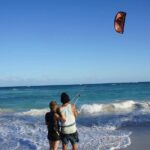
Kitesurfing sounds scary until someone explains it. This private Tulum lesson pairs IKO-certified instruction with hands-on training in kite theory, safety systems, and real water practice. You’ll also get a coach focused only on you (or your small group), so you can move at the pace that makes sense.
I especially like the way the session starts with kite and wind theory before you ever ride. You go from concepts like the wind window to learning the bar, safety release, and a self-rescue technique, then you build up to body-drag and power strokes in the water. One thing to plan for: the activity runs only when conditions are right, so scheduling can shift or the session may be canceled if the weather isn’t favorable.
In This Review
- Key highlights worth planning for
- Tulum kiteboarding: what makes this lesson practical
- Meeting point and getting set up without stress
- Beach instruction: wind window, safety systems, and self-rescue
- Setting up the kite and your readiness
- A self-rescue technique that builds confidence
- Kite control before you board
- In-water progression: body drag, waterstarts, and transitions
- Body drag upwind and power strokes
- Waterstart: assisted first, then solo
- Ride downwind, then upwind
- Transitions: the skill that makes riding feel real
- What makes it truly private (and why that matters for beginners)
- Gear included: why “provided” is the difference-maker
- Price and value: what $270 buys you in 3 hours
- Best fit: who this lesson suits (and who should think twice)
- Weather and wind reality: plan for flexibility
- Should you book this private kiteboarding lesson in Tulum?
- FAQ
- How long is the private kiteboarding lesson?
- How much does the lesson cost?
- What language is the lesson taught in?
- Where do you meet for the lesson?
- What’s included in the lesson?
- What’s not included?
- Who can take the lesson?
Key highlights worth planning for
- Private, IKO-certified coaching tailored to your level, with instructors who can adjust your plan.
- Wind-window theory and kite control so you understand what the kite is doing, not just how to copy a move.
- Safety systems + self-rescue taught early, before you go fully powered.
- Full progression on the water: body drag upwind, power strokes, waterstart with help, then solo practice, plus upwind/downwind riding and transitions.
- Gear included, plus bathrooms, showers, and Wi‑Fi at the meeting base to reset between steps.
Tulum kiteboarding: what makes this lesson practical
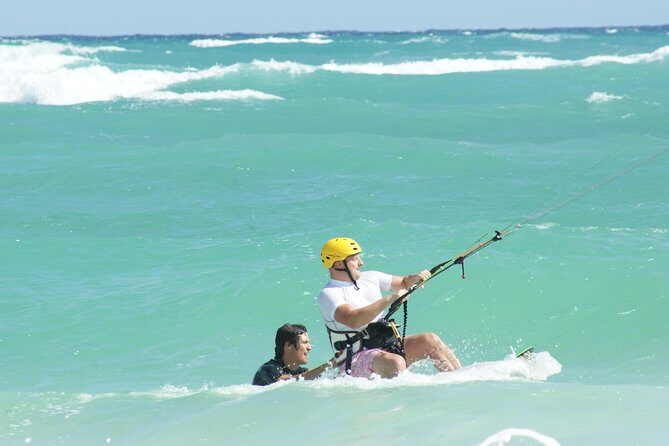
If you’ve ever watched someone kitesurf and thought, I get the idea but I don’t know the rules, this lesson targets exactly that gap. The focus isn’t just jumping on a board—it’s learning how wind, kite position, and safety connect. That’s why the training starts on the beach and stays structured for about 3 hours.
Tulum is also a good place to learn because the setting makes it easy to treat kitesurfing like a skill-building day rather than a one-and-done show. You’ll be working in a real coastal setup with the gear close by, so you can go step-by-step. And because it’s a private session, you’re not stuck waiting your turn while others sort out the basics.
The lesson is in English, and the minimum age is 10. For most people, you’ll want a moderate fitness level since parts of the training require active movement in sand and in the water.
You can also read our reviews of more private tours in Tulum


Meeting point and getting set up without stress
You’ll start at Ahau Tulum, located on Carr. Tulum a Boca Paila Km. 7.5 in the Zona Costera area. The session ends back at the meeting point, so you’re not dealing with long, confusing logistics after training.
Once you connect with the provider, you get into lesson mode quickly. Gear is included, which matters because kitesurfing setup isn’t something you want to improvise. You’ll also have access to bathrooms and showers, plus Wi‑Fi at the base—small things that make a big difference when you’re working on technique and then need to reset.
There’s also a nice extra: paddleboarding boards are included. If the timing and conditions create downtime, this can give your day a second activity without adding cost.
Beach instruction: wind window, safety systems, and self-rescue
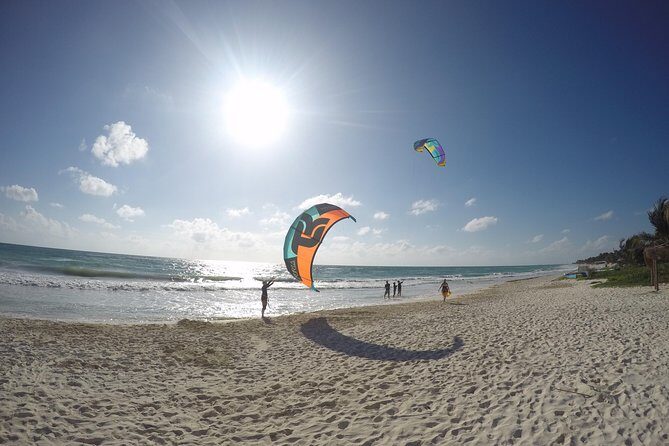
This lesson has a clean logic: learn control, then learn safety, then start moving. On the beach, you begin with kite and wind theory. The key idea is learning how the kite behaves in the air relative to the wind—especially the wind window—so you understand how power is created and controlled.
Setting up the kite and your readiness
Next comes setting up the equipment: kite and lines. This part is more than just “put it together.” You’re learning the sequence and how everything connects, so later, when something feels off, you know what to check first.
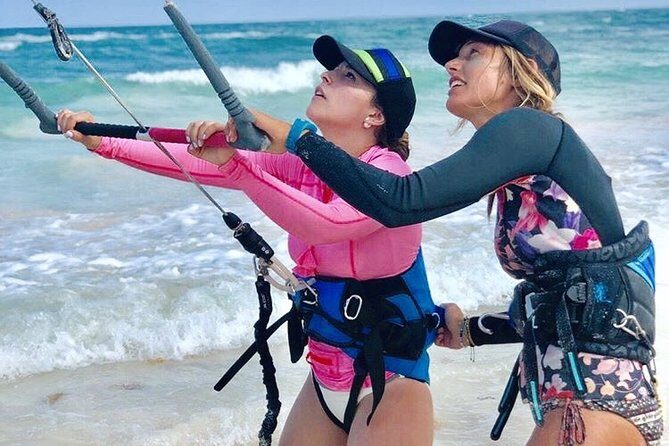
Then you focus on the bar: the inner workings, plus the safety systems. This is where many first-timers feel uneasy, because kiteboarding safety can sound like a lot of jargon. In this lesson, you’ll go through it step-by-step so it’s practical and usable when you’re actually in the water.
A self-rescue technique that builds confidence
You also get a self-rescue technique taught during the beach portion. Even if you’re brand new, knowing what you’d do if something goes wrong changes your mindset fast. It turns fear into procedure.
You can also read our reviews of more tours and experiences in Tulum






Kite control before you board
Finally on the beach, you work on kite control. This is the bridge between theory and riding. You’ll practice making the kite do what you need—so when you’re in the water later, you’re not learning control and riding at the same time.
Why I think this order is smart: it reduces panic. If you know what the kite should be doing and how to respond, you spend less time reacting and more time building technique.
In-water progression: body drag, waterstarts, and transitions
Once you’re in the water, the lesson shifts from “understand” to “do.” You start with body drag upwind, which is often the first reality check. It teaches how to move with resistance and wind, and it builds up your ability to position yourself relative to where you want to go.
Body drag upwind and power strokes
After that, you practice power strokes. This is where you start learning the rhythm of using the kite to generate movement. You’re not just pulling hard; you’re learning timing and control. That makes the later waterstart far easier.
Waterstart: assisted first, then solo
Then comes the waterstart with assistance. The point here is to learn the mechanics with support while your body figures out timing. After that, you progress to the waterstart solo, which is a big milestone. You’ll feel the difference when you can connect your movements with kite behavior without constant coaching hands-on.
Ride downwind, then upwind
Once you can start, you’ll work on riding downwind. That’s where things can feel fun quickly because you’re moving with the wind and building balance.
Then you shift to riding upwind. This is a more challenging direction because you’re fighting the wind’s pull while trying to hold a line. Learning both downwind and upwind gives you a fuller understanding of how kite position affects your direction.
Transitions: the skill that makes riding feel real
Finally, you work on transitions. This is the part many beginners don’t get in short experiences, yet it’s what turns a few rides into actual kitesurfing ability. Transitions force you to think about body position and kite control at the same time, which is exactly why it’s worth doing.
Practical tip for you: go in ready to learn in layers. The progression is designed so each step sets up the next one, but you’ll get the most out of it if you stay focused on one skill at a time rather than chasing speed.
What makes it truly private (and why that matters for beginners)
A private kiteboarding lesson isn’t automatically better just because it’s private. The value comes from how your coach can adapt the training to your body and your goals.
In the coaching you might experience, instructors like Mauricio and Roma are noted for being personable and flexible. One review highlighted how the teacher adapted to a rider wanting to work on tricks, strapless riding, and winging, while also supporting a partner who was a complete novice. That tells you the coaching approach can handle different needs in the same lesson window.
You’ll also want to pay attention to the coach’s responsiveness when conditions change. The instruction can be adjusted if wind doesn’t cooperate as expected. That’s a real part of kiteboarding, not a failure of planning.
Gear included: why “provided” is the difference-maker
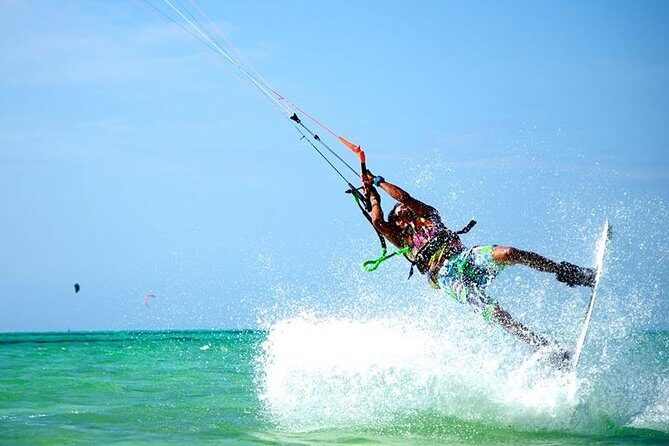
Kiteboarding gear isn’t generic. The right fit and setup help your learning curve and safety. Since kiteboarding gear is included, you don’t have to source equipment on your own or worry about whether the gear matches your level.
When you’re new, it’s easy to blame yourself when something feels awkward. But a lot of awkwardness comes from setup errors or incorrect sizing. Having gear already handled lets you focus on technique—the stuff you came to learn.
And because the lesson includes the kite basics plus control skills, you’ll get familiar with the equipment’s “feel” before you’re asked to ride.
Price and value: what $270 buys you in 3 hours
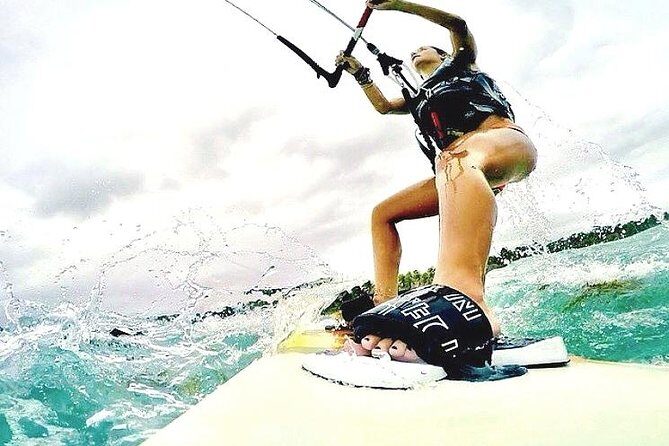
At $270 per person for about 3 hours, you’re paying for private instruction, IKO-certified guidance, and included gear. That’s not cheap, but it’s also not just “someone watching you try.” The time is structured: theory on the beach, safety systems, self-rescue, then step-by-step water practice that builds toward riding and transitions.
For value, ask yourself one question: would you rather spend a full day renting gear and guessing, or pay for coaching that tells you what to do next? With kiteboarding, guessing is slow and can be stressful. This lesson aims to shortcut that process by teaching fundamentals you’ll use again later.
If you’re the kind of traveler who likes skills you can actually take home, private coaching tends to pay off fast. Even if you never become a trick rider, you’ll leave with clearer kite control and safer habits than you’d get from trial-and-error.
Best fit: who this lesson suits (and who should think twice)
This lesson is good for all skill levels, including complete beginners. The progression—from theory to safety to waterstart work—means you aren’t thrown into the deepest end without structure.
It also suits riders who want targeted improvement, because coaching can focus on what you’re working on rather than running a single fixed lesson plan for everyone.
That said, it’s not recommended if you have back problems or serious medical conditions. You’ll also want moderate physical fitness since you’ll be active in sand and water.
The minimum age is 10, and service animals are allowed.
Weather and wind reality: plan for flexibility
Kitesurfing depends on wind and conditions. The lesson is subject to favorable weather, and if it’s canceled due to poor weather, you’ll get an alternative date or a full refund. That means your day in Tulum should have some breathing room, especially if you’re on a tight schedule.
If wind is weaker or inconsistent on the day, expect the instructor to adapt the schedule. Kiteboarding lessons live and die by conditions, and good instruction accounts for that.
Should you book this private kiteboarding lesson in Tulum?
Book it if you want a clear path into kitesurfing with safety taught early. You’ll like that the coaching is private, structured across beach and water, and backed by IKO-certified instruction. The included gear, plus bathrooms/showers and Wi‑Fi at the base, makes it easier to focus on learning instead of logistics.
Don’t book it if you can’t be flexible with wind-dependent timing, or if you have medical limits that make active water work unsafe. Also, if you’re looking for a casual, no-effort vacation activity, this one is skill work—hands-on, physical, and very focused.
If you’re ready to learn how wind and your kite controls actually connect, this lesson is a solid way to start in Tulum.
FAQ
How long is the private kiteboarding lesson?
It’s approximately 3 hours.
How much does the lesson cost?
The price is $270.00 per person.
What language is the lesson taught in?
The lesson is offered in English.
Where do you meet for the lesson?
You start at Ahau Tulum, Carr. Tulum a Boca Paila Km. 7.5, Zona Costera, Tulum Beach, 77760 Tulum, Q.R., Mexico.
What’s included in the lesson?
You get an IKO-certified instructor, kiteboarding gear, and access to bathrooms, showers, and Wi‑Fi. Paddleboarding boards are also included.
What’s not included?
Transportation and food and drinks are not included.
Who can take the lesson?
The minimum age is 10. It’s not recommended for participants with back problems or serious medical conditions, and you should have a moderate physical fitness level. Service animals are allowed.
You Might Also Enjoy
More Workshops & Classes in Tulum
More Private Tours in Tulum

More Tour Reviews in Tulum
- Selva Maya Eco Adventure Park: Ziplining, Hanging Bridges, Rappelling and Cenote
★ 5.0 · 1,057 reviews