Some water routes in Tulum feel like another planet. This cenote expedition strings together three different underwater worlds, from open pools with wildlife to cave corridors you float through, with history along the way. You’ll also get pickup, snorkel gear, and a private setup for your group with English-speaking guidance.
What I like most is how the experience mixes beauty with context. You get snorkeling gear provided and you’ll learn how cenotes formed and what makes each one unique, not just where to swim. A possible drawback: the cave sections can feel cooler and darker, and you’ll be listening and following instructions in low-light conditions.
One more thing I appreciated is the way guide Luis keeps the mood friendly and practical. When you want photos, he’s the type to help you out (especially if you don’t bring an underwater camera), and he’ll point out what you’re looking at without turning it into a classroom. If you’re short on time in Tulum, 4 hours can also feel like a sprint, even though you’re moving at a relaxed pace through the water.
In This Review
- Key highlights to know before you go
- How the cenote circuit stays in sync for about 4 hours
- Pickup and meeting points in Tulum: make it easy on yourself
- Stop 1: Casa Cenote and the living shoreline vibe
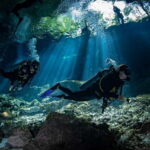
- Sac Actun: open-and-cave snorkeling with bats and rock formations
- The third cenote finale: snorkeling through the long underground river route
- What Luis adds: stories, safety sense, and photo help
- Gear, breathing comfort, and how to respect the wildlife
- Price and value: what $148.87 buys you in the real world
- Should you book this cenote snorkeling tour?
- FAQ
- FAQ
- How long is the snorkeling cenote expedition?
- Do they offer pickup in Tulum?
- What cenotes are included?
- Is this tour private?
- Is the tour offered in English?
- What’s the cancellation window for a full refund?
Key highlights to know before you go
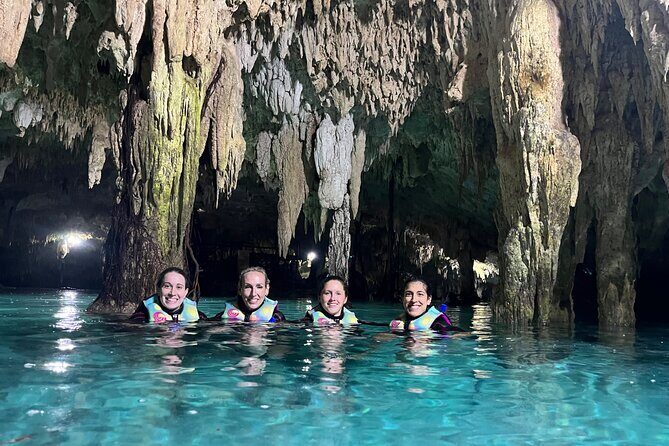
- Three cenotes, three different feels: open water, open-with-caves, then a cave finale.
- Sac Actun snorkeling route: you snorkel from the second cenote to the third through a long underground river passage.
- Wildlife in the open cenote: fish, blue crabs, birds, and even a resident crocodile are part of the scenery.
- Cave sights up close: stalagmites, stalactites, columns, and bats can show up in the rock-shadow zones.
- Guide help with photos and stories: Luis takes time to help with pictures and explains what you’re seeing and why it matters.
- Private tour for your group: you’re not sharing your experience with random crowds.
How the cenote circuit stays in sync for about 4 hours
This tour is built as a smooth loop: you start in one cenote, move to a second that includes open-and-cave elements, then continue into the cave network where you snorkel toward the third stop. The whole thing runs about 4 hours, which is just long enough to feel the differences between cenotes without turning your day into a full travel mission.
Timing matters in cenote country. The activity window is listed as 9:00 AM to 2:00 PM (with dates running through 2027), which usually means early afternoon starts are possible. If you’re planning this alongside beach time or a Tulum ruin visit, I’d treat it like the centerpiece and schedule everything else around it.
Because it’s private, you’re less likely to feel rushed by other groups moving at different speeds. That said, you still want to keep a steady mindset: cenotes mean changing environments—sun to shade, open water to rock corridors—so following the guide’s pace is part of the fun.
You can also read our reviews of more snorkeling tours in Tulum

Pickup and meeting points in Tulum: make it easy on yourself
Pickup is part of the deal, and the plan is simple: they pick you up at your agreed location. That’s a big quality-of-life win in Tulum, where hopping between hotel zones and cenote entry points can chew up time fast.
You’ll also use a mobile ticket, and you should get confirmation when you book. That matters because cenotes often have strict entry timing, and you don’t want to be the person standing around with a dead phone battery.
One practical note: the tour is offered in English, so you’ll get explanations directly in a language you can ask questions in. If you know you want to focus on Mayan history or cenote geology, going in with a few questions helps you get more out of those pauses between water sessions.
Stop 1: Casa Cenote and the living shoreline vibe
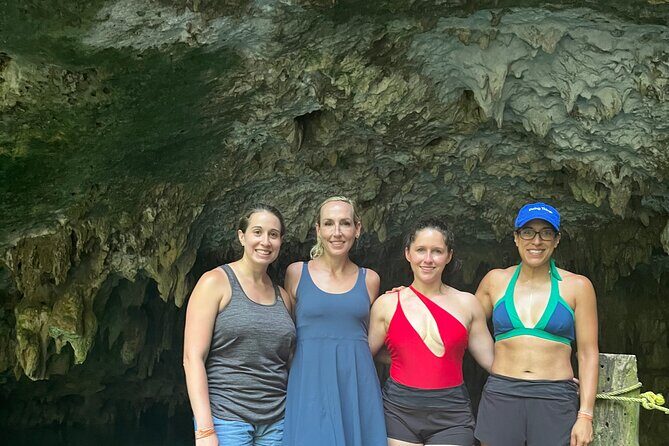
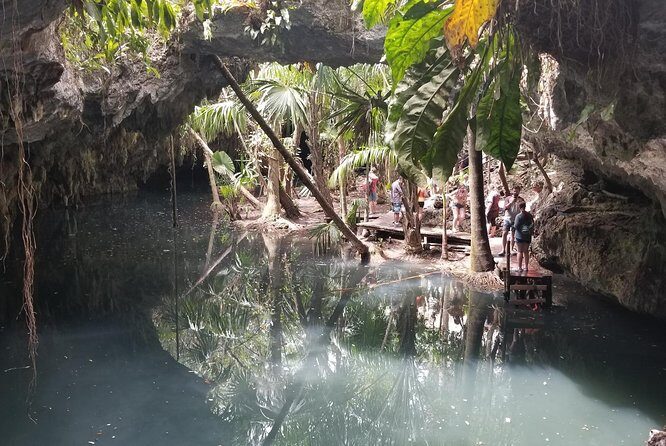
Casa Cenote is the warm-up stop, and it’s also where you get your first real feel for the cenote ecosystem. Expect a mix of open water movement and living details you can spot while floating—fish, blue crabs, birds, and even a resident crocodile sunning on the rocks.
That crocodile part can sound intimidating until you see how the guide handles it. Luis explained that the crocodile eats fish and is nocturnal, and the key is respecting its space. In practice, that means staying calm, moving quietly, and not trying to “test” how close you can get.
What I like about starting here is that it builds confidence. You get comfortable with the water, with snorkel breathing, and with the idea that cenotes are not sterile pools—they’re habitats. You’ll learn the basic history of cenotes here too, including how they formed and when they formed, which sets you up to understand the differences you’ll see in the cave zones later.
Possible snag: if you’re extremely worried about wildlife, this first stop might make you tense. The good news is the whole tone is respectful, and the guide is there to help you read the situation.
Sac Actun: open-and-cave snorkeling with bats and rock formations
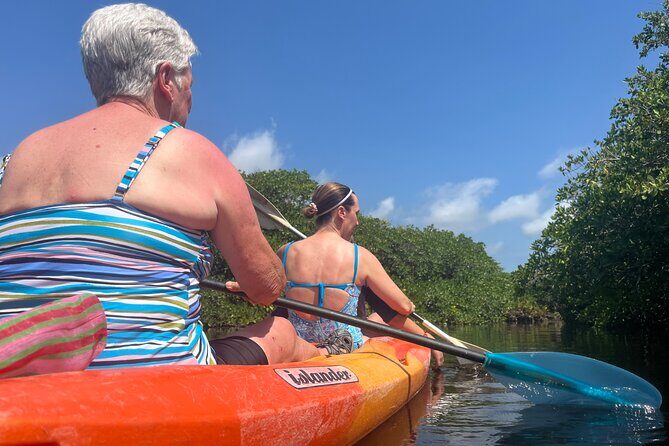
The second stop is where the experience shifts from open-water sightseeing to exploring a system that mixes daylight and shadowy structure. This is the cenote area described as Sac Actun, and it’s also the point where you’re building toward the third stop through a long underground river connection.
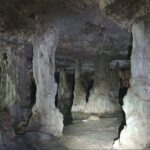
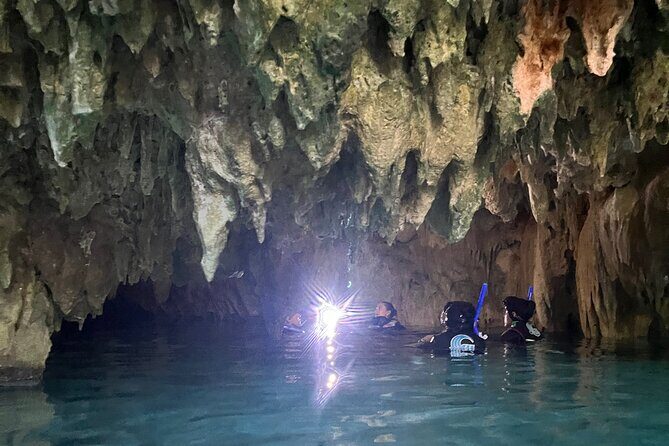
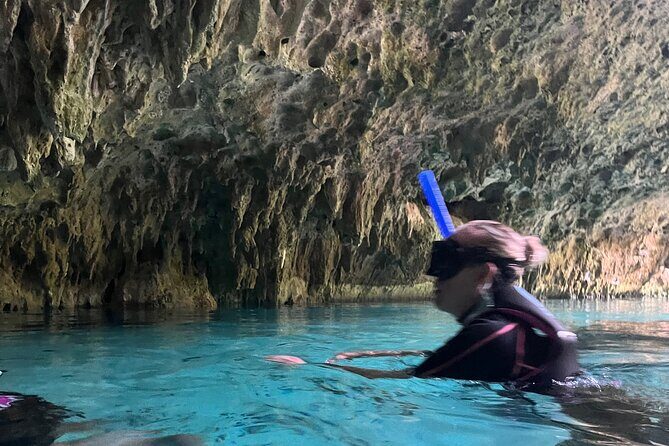
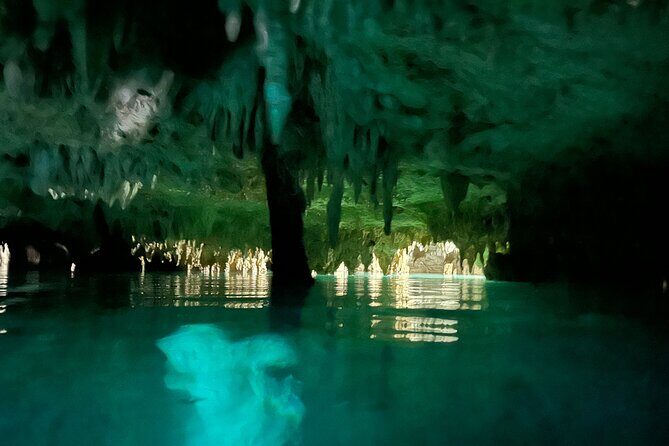
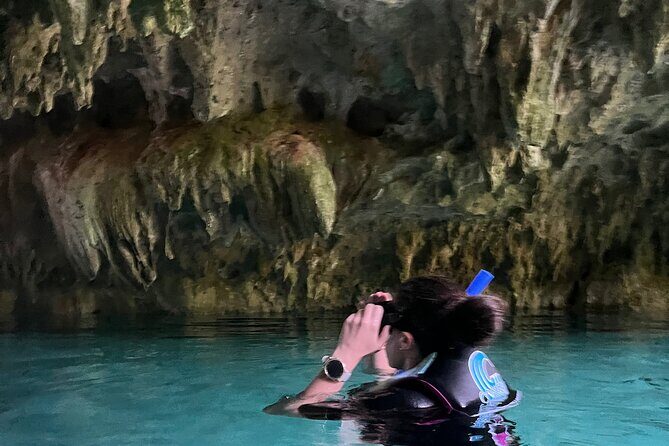
In Sac Actun, the scenes can change quickly. You might see fish and signs of bats in the darker sections, plus rock features that look like they belong in a science museum. The water stays clear enough to appreciate stalagmites and stalactites, and you may even pass by formations shaped like columns.
One visual that stood out in the experience is the presence of tree islands, including one with a hole at the top. That’s the kind of detail you can miss if you just float with your eyes on the surface. When you’re paying attention, those natural windows and openings help you understand why cenotes feel like bridges between worlds rather than plain holes in the ground.
The best part of this stop is the balance. You’re not just following a hallway—you’re moving through an environment with open sections to reset your bearings, then cave segments where the rock shapes take over. Luis also made guests feel safe by keeping a steady rhythm and giving context as you went.
The third cenote finale: snorkeling through the long underground river route
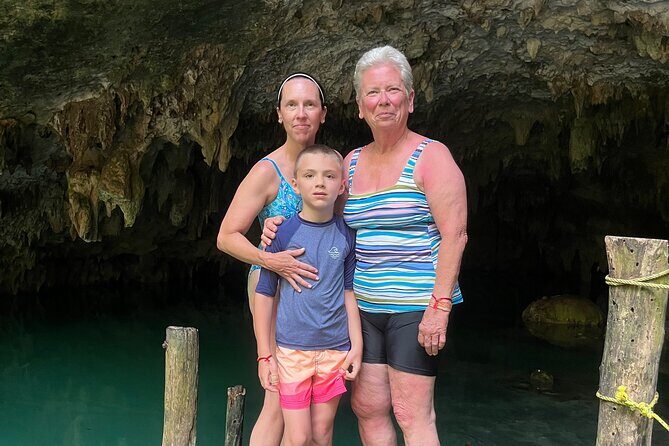
The grand payoff comes at the end of the circuit. After the second cenote, you snorkel through to the third via the described route: a long underground river passage. The experience is presented as the longest underground river of the world, and also as the biggest cave in the American continent.
Even if you don’t obsess over superlatives, the effect is real: the space starts to feel bigger than you expected because you’re traveling through a connected system. Cave snorkeling has a different pace than open cenotes. Light changes, you rely more on what your guide is pointing out, and you focus on breathing and staying oriented.
What you’ll remember here are the cave textures. Stalactites and stalagmites become the architecture of your swim, and the rock columns can look like a cathedral where the ceiling is too close to ignore. The water being fresh and clean is part of why this works—you can see what’s around you without feeling like you’re squinting through mud.
If you’re someone who gets nervous in dim areas, this is where you should plan to slow down mentally. Take your time, keep a calm body posture, and trust that the guide is managing the route and timing. The experience is described as safe, and Luis is consistently portrayed as attentive—so you’re not left to figure it out alone.
- Selva Maya Eco Adventure Park: Ziplining, Hanging Bridges, Rappelling and Cenote
★ 5.0 · 1,057 reviews


What Luis adds: stories, safety sense, and photo help
A cenote trip can become two things: a simple swim, or a story you’ll still talk about weeks later. In this tour, Luis clearly pushes it toward the story side without drowning you in lectures.
You’ll get explanations about the history of cenotes—how they formed and when—then you’ll connect that to what you see: rock formations, openings, and the way water creates space inside the cave system. He also shares Mayan culture and Mexican history alongside nature details, which makes the experience feel tied to the place instead of just a roadside stop.
Luis also helps with the practical stuff. One review mentioned he took pictures for a guest because they didn’t have an underwater camera. That’s a small detail, but it matters: it turns the cenote memories from fleeting impressions into something you can actually keep.
And if you want food ideas after your swim, ask. There’s a clear tip that Luis can help you with local Tulum food suggestions. That’s the kind of local shortcut that can save you from ordering the first menu you see.
Overall, the guide style is friendly and energetic, which keeps the day from feeling heavy even when the cave scenes get intense.
Gear, breathing comfort, and how to respect the wildlife
Snorkel equipment is provided, so you don’t need to hunt down a rental before you go. That’s a real value point because cenote trips are already equipment-heavy for many travelers, and losing time to last-minute rentals can mess up your schedule.
In terms of how to enjoy the day, the biggest rule is simple: follow the guide’s rhythm and keep your movements calm. You’re in clear water, but it’s still a fragile environment. When you’re floating past animals like the crocodile at Casa Cenote, your job is to observe without testing.
You’ll also want to pace your breathing in cave sections. The water-to-rock environment can make you feel slightly more focused because the light is different and the ceiling feels closer than open cenote water. That’s not a reason to panic. It’s a reason to go slowly and let your body settle.
If you’re prone to motion sickness, consider how you handle boats and swim tanks. The tour is about snorkeling, so you’re not on a long boat ride, but you are moving through water with stops and guided transitions. Keeping your head steady and your breathing slow helps most people.
Price and value: what $148.87 buys you in the real world
At $148.87 per person for about 4 hours, you’re paying for three main things: access to multiple cenotes in one run, guided interpretation, and the logistics that make it painless.
The value is strongest because you’re not doing a single cenote. You’re seeing open water, open-and-cave, and cave corridors in one continuous experience. That’s a big jump from “pay for a pool” sightseeing. Plus, the tour is private, so you’re not competing with a mixed schedule of strangers who might go slow or fast.
You’re also getting snorkel gear provided and English guidance. In cenotes, that combination reduces friction. You don’t need to figure out where to get equipment, how to manage entry timing, or how to interpret what you’re seeing once the cave darkens.
Is it a deal compared to other activities in the area? It’s priced like a dedicated experience, not like an add-on. But if you want a structured day with multiple cenotes and a guide like Luis who helps with both explanations and photos, this pricing makes sense.
Should you book this cenote snorkeling tour?
I’d book it if you want a guided cenote day that hits three different environments and includes real context. The best reasons are practical: pickup, gear, English speaking guidance, a private setup, and a route that takes you from Casa Cenote into Sac Actun and onward through the underground river connection.
You should think twice if you’re uncomfortable with cave lighting or you worry easily about wildlife. Casa Cenote includes a resident crocodile in the scene, and the cave stops shift the feel of the swim. If you’re nervous, the saving grace is that the guide handles wildlife respectfully and keeps you feeling safe.
If you’re the type who likes asking questions, this tour gives you a reason to slow down. Luis explains formation and history, not just where to put your face in the water. And if you want photos but don’t have underwater gear, the guide help can be a big plus.
FAQ
FAQ
How long is the snorkeling cenote expedition?
It’s about 4 hours.
Do they offer pickup in Tulum?
Yes. Pickup is offered, and they pick you up at your agreed location.
What cenotes are included?
You’ll visit three cenotes: Casa Cenote, a second cenote described as Sac Actun (open and cave), and a third cave cenote reached through snorkeling along a long underground river route.
Is this tour private?
Yes. It’s private, and only your group participates.
Is the tour offered in English?
Yes, the tour is offered in English.
What’s the cancellation window for a full refund?
Free cancellation is available up to 24 hours in advance for a full refund. Within 24 hours, the paid amount is not refunded.
You Might Also Enjoy
More Snorkeling Tours in Tulum

More Tour Reviews in Tulum
- Selva Maya Eco Adventure Park: Ziplining, Hanging Bridges, Rappelling and Cenote
★ 5.0 · 1,057 reviews