REVIEW · PLAYA DEL CARMEN
PDC Traditional Mexican Cooking Experience
Book on GetYourGuide →Operated by PDC Panchito · Bookable on GetYourGuide
The best part is you cook, not just watch. This PDC Traditional Mexican Cooking Experience pairs UNESCO-recognized Mexican culinary traditions with real food stories from native descendants, while you roll up your sleeves and learn how corn and chili drive the flavors. I like the hands-on format and the way the host ties cooking to everyday values and family care, not just technique. The one thing to consider: the session starts with some prep already handled, so if you’re hoping for a long start-to-finish market hunt, this isn’t built that way.
You’ll meet in the center of downtown Playa del Carmen and then head to a kitchen venue nearby, keeping things simple and efficient. It’s a small group capped at 8, run in English or Spanish, and you can take home what you make if you don’t finish it. If you want a warm, talk-through-your-plate kind of class, this hits the mark.
In This Review
- Key Things to Know Before You Go
- Playa del Carmen Cooking With a Purpose: Love, Corn, and Chiles
- Meeting at Town Hall Plaza and Getting to the Kitchen in Minutes
- The First Course: Aguas Frescas and Antojitos Mexicanos
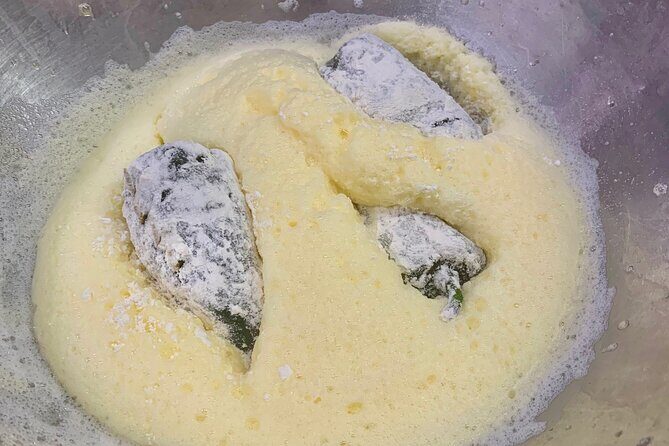
- Main Dish Time: Chiles Rellenos, Mole, Pipian, and Rotating Favorites
- The Fire, the Mortar, and the Moment You Realize It’s Real Cooking
- Side Dishes and Pairing: How the Meal Completes Itself
- What You Actually Take Home (And Why That’s Part of the Value)
- Price and Timing: Is $116 Worth 3.5 Hours?
- Who This Cooking Class Suits Best
- Language, Group Style, and What the Host Brings to the Table
- Quick Itinerary Walkthrough (So You Can Picture the Flow)
- Should You Book PDC Traditional Mexican Cooking Experience?
- FAQ
- How long is the cooking experience?
- What does the price include?
- How many people are in the group?
- Where do I meet for the experience?
- Is this a home-cooking experience?
- What dishes will I cook?
- Can I take food home?
- Do you offer drinks with the meal?
- What languages is the instructor available in?
Key Things to Know Before You Go
- Small group size (up to 8) means more hands-on time and easier conversations with the host and chefs.
- No home venue: everything happens in a roomy conventional restaurant kitchen, with safety and service handled by the team.
- You start cooking right away, because ingredient prep is handled for you and the class skips a local farmer-market stop.
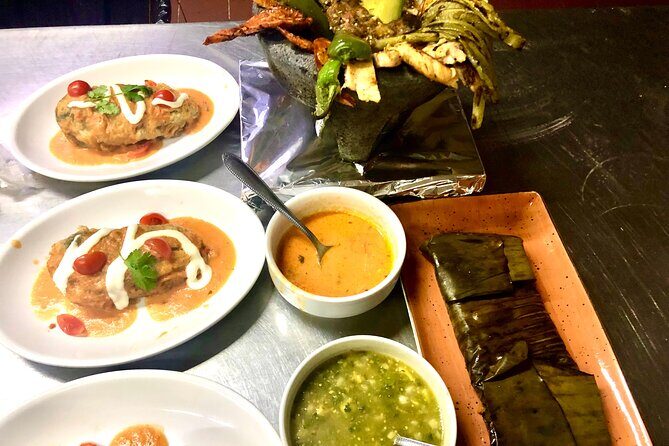
- The menu rotates from session to session, including classics like tamales, chiles rellenos, mole, pipian, and molcajete-style dishes.
- Seafood lovers can get a standout molcajete option, and you may have add-ons like red snapper or lobster for an extra fee.
Playa del Carmen Cooking With a Purpose: Love, Corn, and Chiles
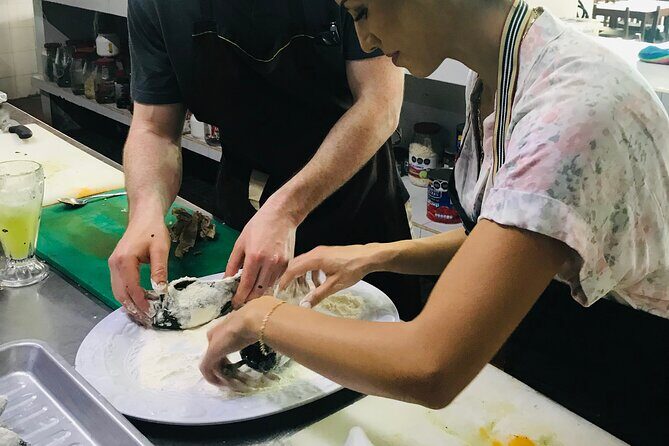
This isn’t the kind of class where you stand back and admire. From the start, the tone is personal: cooking is framed as a way to show love to the people you care about. That mindset matters, because it changes how you pay attention to the ingredients. You’re not just memorizing steps; you’re learning why the steps exist.
The food concept is also tied to a UNESCO Intangible Heritage of Humanity tradition. Translation: you’re getting the bigger idea of how traditional Mexican cuisine has been practiced and carried forward over generations. You’ll also hear how Mexico’s regional identities shape flavor—so what you learn in the kitchen isn’t random. It’s rooted in the way different places develop their own tastes, often anchored by corn and chili peppers.
If you like your travel experiences with both flavor and meaning, you’re in the right spot. You’ll leave with a practical skill set you can actually repeat later, and with stories that make the dishes feel alive rather than just tasty.
You can also read our reviews of more cooking classes in Playa Del Carmen
Meeting at Town Hall Plaza and Getting to the Kitchen in Minutes
Your day begins at Town Hall Plaza in downtown Playa del Carmen. Look for the location on 20th Avenue between 8th and 10th streets, then expect a quick escort to the cooking venue. The walk is short, about 5 to 10 minutes.
That “no-fuss” transfer is one of the quiet strengths of this experience. You spend less time figuring out logistics and more time cooking. It also helps that the kitchen is an ample conventional rented restaurant venue, not a cramped setup.
Another practical point: since the team handles the safety and kitchen flow, you get a smoother experience. You’re still cooking, but you’re not trying to coordinate a dozen people in someone’s home kitchen with limited equipment.
The First Course: Aguas Frescas and Antojitos Mexicanos
The schedule starts with an intro to Mexican cuisine and then you get working quickly. You’ll begin with refreshments, specifically aguas frescas, which are classic Mexican drinks made for casual sipping and pairing with food.
Then comes the starter phase: antojitos mexicanos. These are described as fusion-flavored starters with Pre-hispanic influences, which is a helpful way to understand why they taste the way they do. Antojitos are the “snack-meets-culture” category in Mexico, and they’re often where you can learn a lot fast—textures, balance, and how chili heat shows up alongside corn-based comfort.
You’ll also learn how the cooks think about ingredients before the big cooking begins. Since some ingredient prep is already done, you won’t lose time waiting for basic setup. Instead, you move into hands-on mode sooner, which is exactly what you want for a 3.5-hour class.
Main Dish Time: Chiles Rellenos, Mole, Pipian, and Rotating Favorites
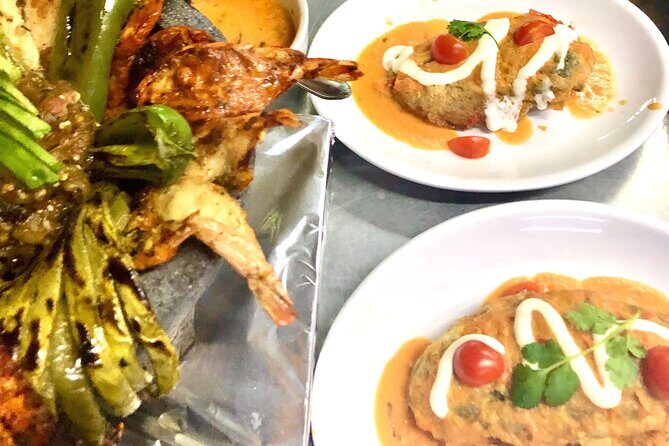
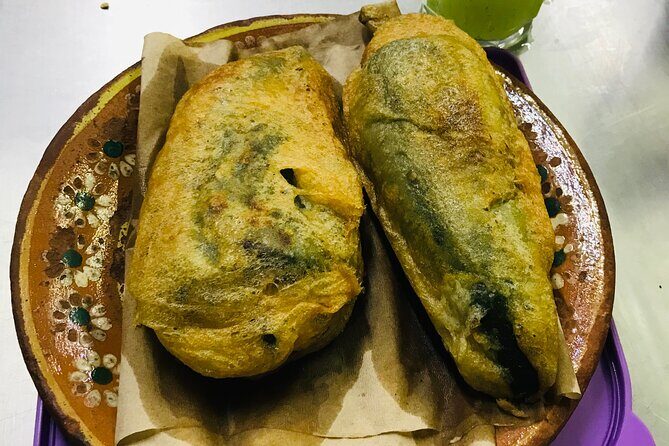
The main course is the centerpiece, and it changes depending on the session. Expect options that fall under traditional Mexican dishes like chiles rellenos, pipian, or mole. If you like variety, that rotating menu is a plus, because you might learn a different dish than the one you’ve seen online.
Here’s what you should keep in mind: traditional Mexican cuisine is often corn-and-chili focused, so even when the main dish changes, the flavor logic stays consistent. You’ll see how corn supports body and comfort, while chili peppers bring aroma, heat, and depth. That’s the kind of knowledge you can take home and apply, even if your kitchen doesn’t have a molcajete or a traditional sauce grinder.
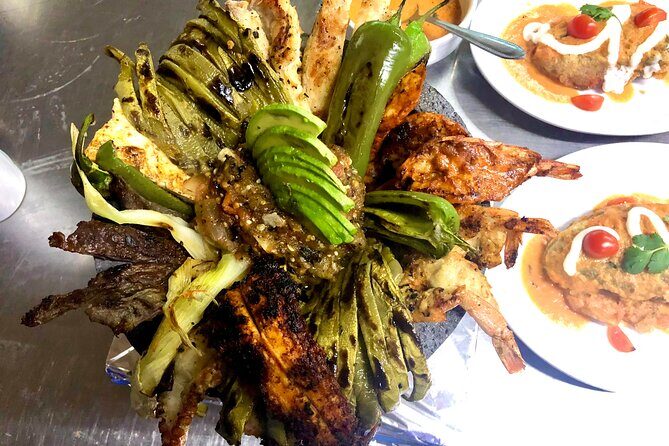
Seafood fans get a special mention in the experience format. You may prepare a cielo, mar y tierra molcajete style dish using a volcanic rock mortar, featuring items like octopus, shrimp, and additional proteins such as flank steak and chicken. If you’re a “mix it up” eater, this is the part most likely to feel like a show, not just a meal.
Optional add-ons are also available for certain seafood choices, including red snapper or lobster at an additional surcharge. If seafood is your priority, it’s worth asking what’s available for your exact session when you book.
The Fire, the Mortar, and the Moment You Realize It’s Real Cooking
A lot of cooking classes “teach you a recipe.” This one leans toward teaching you a method and a mindset. One reason is the use of traditional tools and cooking styles. A volcanic rock mortar and related techniques show up in the experience, which helps you understand why sauces and fillings have the textures they do.
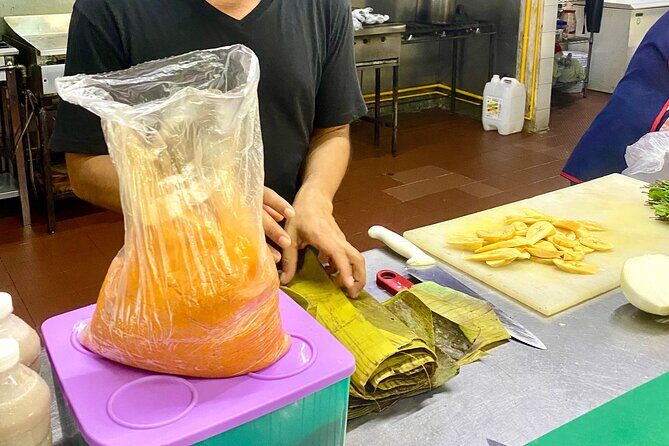
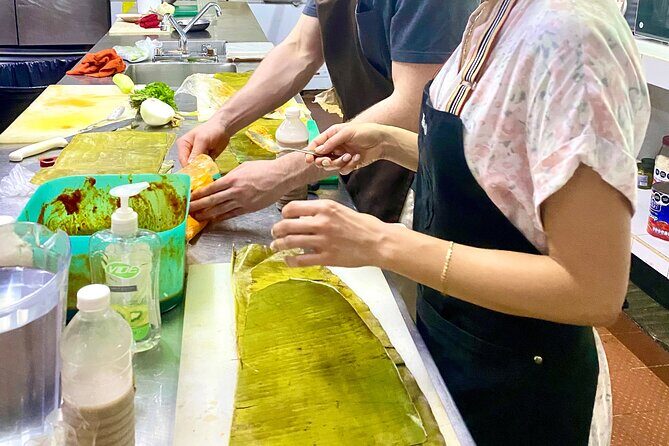
In some sessions, people also get to work with tamales from scratch. That matters because tamales aren’t just a dish; they’re a whole process. When you make them yourself, you learn how patience and timing affect the final result, and you stop thinking of tamales as something that only comes from a box or a family member’s kitchen.
You may also see a “Land, Sea and Sky” style dish featured in certain sessions. The name helps you remember the mix of proteins, but what you’re really learning is how different flavors sit together under a shared sauce approach, and how guacamole often acts as a cooling counterpoint.
Even if your main goal is learning flavors, this “real cooking” emphasis is what makes the class feel different. You’re not just assembling; you’re actively participating in the culinary logic.



Side Dishes and Pairing: How the Meal Completes Itself
You won’t just cook a single plate and call it done. The experience includes side dishes to accompany your chosen main course, which is where a class like this becomes more than a one-dish demo.
Sides are useful because they show you the balancing acts traditional meals rely on. Corn-based elements, fresh accompaniments, and chili-forward flavors all interact. This is also where drinks can make sense, because the class format includes refreshments and beverages.
There’s also the option to pair dishes with flavored Mexican wine from a selected winery, or choose other drink options if you prefer. If you like experiencing regional pairing without having to guess, having these choices provided is a real convenience.
What You Actually Take Home (And Why That’s Part of the Value)
Most people don’t realize how much they’ll eat in the middle of a cooking class. Then they realize again when it’s time to pack up.
This experience explicitly allows you to take your prepared dishes with you if you can’t finish everything at once. That detail changes the economics. You’re not paying only for a lesson; you’re paying for food you’ll likely enjoy again later.
That also means you can plan around your day better. If you’re traveling, you don’t have to turn dinner into a frantic hunt for something good and convenient. You can turn the class meal into a meal plan.
Price and Timing: Is $116 Worth 3.5 Hours?
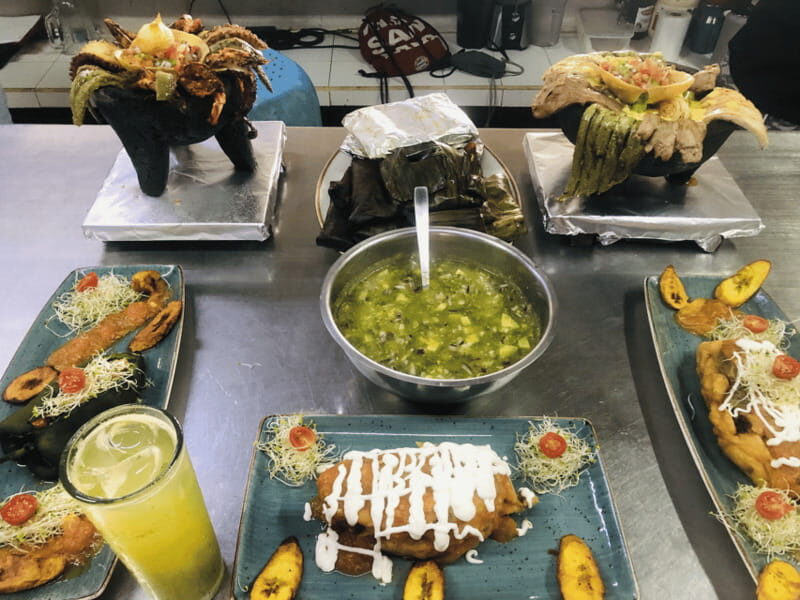
$116 per person for a 3.5-hour small-group cooking class sounds like a commitment, so let’s talk value in a practical way.
Here’s what you’re getting in the experience design:
- Ingredients, tools, and cooking materials are included.
- Refreshments and beverages are included.
- A knowledgeable host, chef, and support cooks run the process.
- The kitchen is spacious enough for a quality, organized flow.
- You get to leave with food you cooked.
When those pieces come together, the price starts to look less like “just a class fee” and more like a structured meal plus skill-building time. The small group size also helps. With a cap of 8, you’re more likely to get real guidance instead of waiting your turn.
The short downside to note: because there’s no market shopping portion built in, you’re not paying for a full half-day adventure with ingredient gathering. You’re paying for cooking instruction and a guided meal outcome, which is great if you want efficiency.
Who This Cooking Class Suits Best
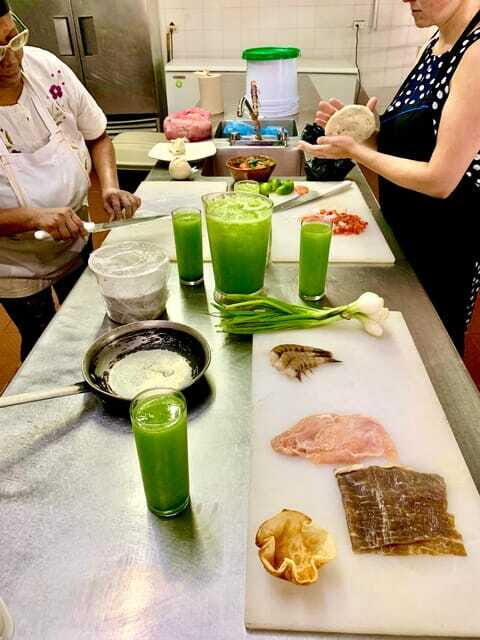
This works especially well if you want one of these travel styles:
- You like cooking and want a hands-on class, not a lecture.
- You’re interested in cultural context, especially how regional traditions shape food.
- You enjoy a conversational setting where the host talks through history and food philosophy.
- You want a meal that’s more than “try something local once.”
It may not be perfect for you if your ideal class includes a big market walk and a slow build from ingredient hunting. This format starts with cooking right away, with prep handled to keep momentum.
Language, Group Style, and What the Host Brings to the Table
The instructor is available in English and Spanish, and the group stays small. That matters because food skills are easier to pick up when you can ask quick questions and get clear explanations.
The host name associated with this experience is Panchito (and you may hear Francisco as part of the team). People also note warm, organized guidance and an easy, friendly conversation flow. That’s not a minor detail. In a cooking class, the difference between good and great often comes down to how comfortable you feel while you’re learning something physical and new.
Also, since the format stresses safety and team involvement, you don’t have to worry about the chaos of an undersupervised kitchen. You’ll be working, but the setup is meant to keep things moving smoothly.
Quick Itinerary Walkthrough (So You Can Picture the Flow)
Here’s the typical arc of the class from start to finish:
- Meet in downtown Playa del Carmen at Town Hall Plaza, then walk 5 to 10 minutes to the kitchen venue.
- Intro to Mexican cuisine, including how traditional Mexican food connects to heritage and regional identity.
- Aguas frescas preparation and tasting as your refreshment opener.
- Antojitos Mexicanos starter prep, giving you early wins and fast learning.
- Main course cooking based on what’s offered that day (with traditional options like chiles rellenos, pipian, mole, and sometimes a molcajete-style seafood dish).
- Side dishes to round out the meal.
- Optional drink pairing choices, including flavored Mexican wine if available.
- Wrap-up with the option to take dishes home if you didn’t finish everything.
The schedule is built for momentum. You’re not standing around for long.
Should You Book PDC Traditional Mexican Cooking Experience?
Book it if you want a small-group class where you cook real Mexican dishes, learn why corn and chili matter, and get food you can actually take home. The rotating menu and hands-on structure make it a strong choice for food lovers who also care about culture in a practical way, not a museum way.
Skip it if you’re looking for a long ingredient-hunt day with a big local market stop. This experience is designed for cooking first, shopping second (and in this case, shopping isn’t part of the plan).
If you’re staying in Playa del Carmen and you want one ticket that gives you both a memorable meal and useful skills, this is a very solid pick.
FAQ
How long is the cooking experience?
It lasts about 3.5 hours.
What does the price include?
All cooking ingredients and cooking tools/materials are included, along with refreshments and beverages. Chefs, a knowledgeable cooking host, and support cooks are part of the setup.
How many people are in the group?
It’s a small group capped at 8 participants.
Where do I meet for the experience?
Meet at Town Hall Plaza on 20th Avenue between 8th and 10th streets in downtown Playa del Carmen, then you’ll be escorted to the restaurant venue.
Is this a home-cooking experience?
No. There is real cooking, but it takes place in a conventional rented restaurant venue.
What dishes will I cook?
You’ll start with aguas frescas and antojitos Mexicanos. The main course varies by time and can include dishes like chiles rellenos, pipian, or mole. Seafood sessions can include a molcajete-style dish, and tamales may be part of some sessions.
Can I take food home?
Yes. You can take out all your cooked and prepared dishes if you weren’t able to finish them.
Do you offer drinks with the meal?
Refreshments and beverages are included. There is also an option for flavored Mexican wine from a selected winery or other optional drink choices.
What languages is the instructor available in?
English and Spanish.