REVIEW · PLAYA DEL CARMEN
Mexican Cooking Class 1 or 3 Courses Tequila and Mezcal Tasting
Book on Viator →Operated by Co.Cos Culinary School · Bookable on Viator
Forget restaurant cooking; do it at home. This hands-on class is set up in Chef Coty’s own place, so it feels personal, not staged, and you’re cooking right alongside your group in a kitchen built for stations. I love the setup because you’re not watching from the sidelines, and you get a real lesson on Mexican flavors—from peppers to sauces—to take home.
My other favorite part is the way the cooking and tasting connect. You’ll get guided help as you work, plus samples for the pepper lesson, and then you finish with a tequila and mezcal tasting paired with the meal. One thing to plan for: transportation isn’t included, and the 3-course option runs about 5 hours, so you’ll want a calm start and no rushing afterward.
In This Review
- Key highlights to know before you go
- Mexican Cooking in a Home Kitchen: what Co.Cos is really like
- 1 course vs 3 courses: how to pick the right length for your day
- What you’ll cook: from ceviche timbal to mole and tacos
- The pepper lesson: the fast track to understanding Mexican flavor
- Sauces, mole, and the reason everything tastes correct
- Cooking with your own station: why this class feels different
- The tequila and mezcal tasting: what you actually get out of it
- Meals and drinks included: your value check
- Who this class is best for (and who should skip it)
- Timing and logistics: the practical way to plan your evening
- Should you book Co.Cos Culinary School in Playa del Carmen?
- FAQ
- What is included in the Mexican cooking class?
- How long is the class, and how do I choose 1 course vs 3 courses?
- Do vegetarians and vegans need to book a special class?
- Is transportation provided?
- Where does the class start and end?
- Is the class suitable for solo travelers?
Key highlights to know before you go
- Chef Coty’s home kitchen: intimate setting, real teaching vibe, and you’re cooking—not hovering.
- Choose 1 or 3 courses: shorter option or a full 5-hour meal-and-tasting experience.
- Pepper and sauce focus: you learn which peppers go where, and why mole and salsas taste the way they do.
- Everyone has a station: “cook with your hands” is the whole point here.
- Tequila and mezcal lesson at the end: tasting plus context, timed to your dinner.
- Vegetarian and vegan welcome: just tell them ahead so the menu can fit you.
Mexican Cooking in a Home Kitchen: what Co.Cos is really like
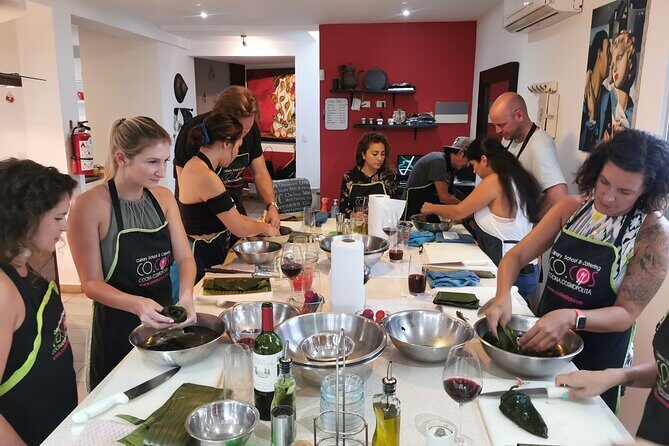
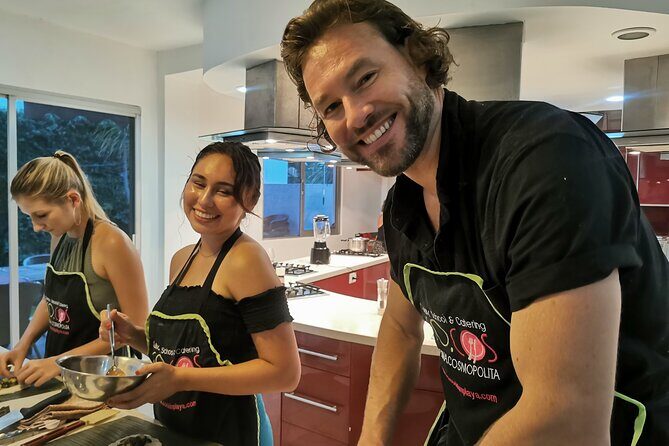
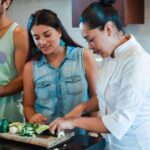
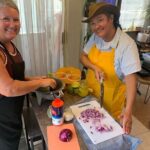
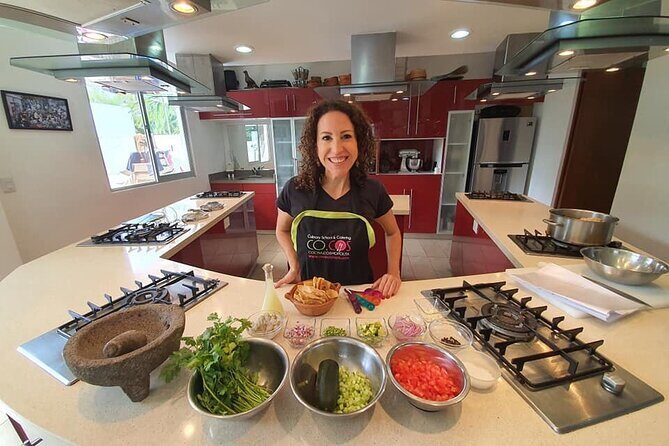
Co.Cos Culinary School runs this class out of Chef Coty’s home and cooking space in Playa del Carmen. That matters more than you’d think. In a lot of cooking classes, you get a demo and then a token task. Here, the model is different: everyone works. The kitchen is described as having cooking stations for all participants, so you’re actively chopping, assembling, stirring, and plating as the lesson moves.
The atmosphere from the inside also feels more relaxed. You’re sitting down to eat your own food with wine and beer, and you’re not forced to keep your head down while someone else does everything. The class is also small by design, with a maximum of 14 travelers, which helps the instructor keep an eye on what each person is doing.
If you like Mexican food but have mostly relied on restaurants and takeout, this kind of class gives you the “why” behind the flavors. And if you cook already, you’ll still get value because you’re learning technique and sauce logic, not just copying recipes.
You can also read our reviews of more food & drink experiences in Playa del Carmen


1 course vs 3 courses: how to pick the right length for your day
You choose your format at booking, and the schedule is tied to the day of week:
- 1-course class: Tuesdays or Thursdays, about 3 hours.
- 3-course class: Mondays, Wednesdays, Fridays, about 5 hours.
The 3-course option is the best match if you want the full arc: starter to main to dessert, plus the pepper and tequila/mezcal lessons in one long evening. The 1-course option works if you have limited time, or if you’re trying this as a sampler to see how well you gel with the teaching style.
Either way, you’ll be in the kitchen for a solid chunk of the experience. Plan your schedule like it’s a dinner appointment, not a quick activity. If you show up starving and impatient, you’ll just add stress to the cooking. If you show up with a little patience (and water), you’ll end up enjoying the process as much as the meal.
What you’ll cook: from ceviche timbal to mole and tacos
The class is built around Mexican dishes and sauces, and the exact menu can change by course and timing. One sample 3-course menu includes:
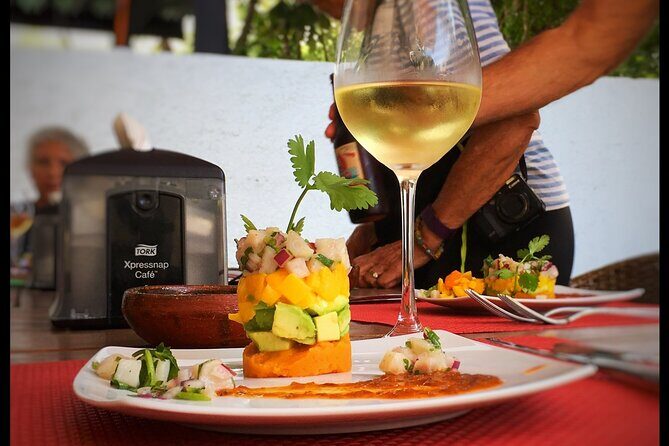
Starter: Ceviche Timbal
You’re working with layers of sweet potato, avocado, mango, and fish ceviche. It’s finished with a chipotle sauce (aliño) and served with homemade totopos—tortilla chips.
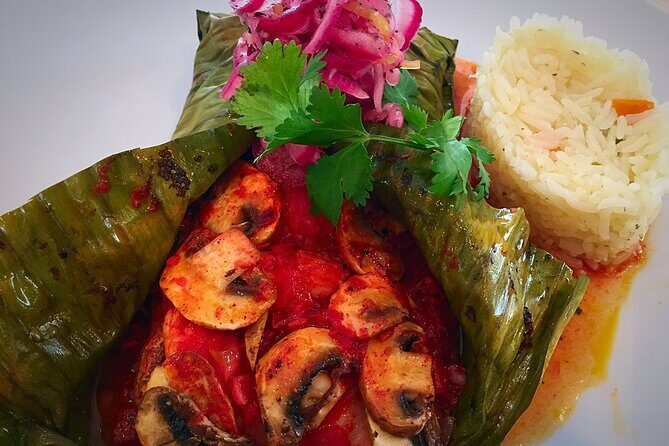
Main: Fish and shrimp in achiote, wrapped in banana leaves
This one is special because it’s technique-heavy: fish and shrimp marinated in achiote, wrapped in banana leaves, stuffed with mushrooms, then served with rice and xnipec sauce.
Dessert: Caramelized and flambeed bananas
Flambeed bananas come with rompope sauce, topped with ice cream and roasted nuts.
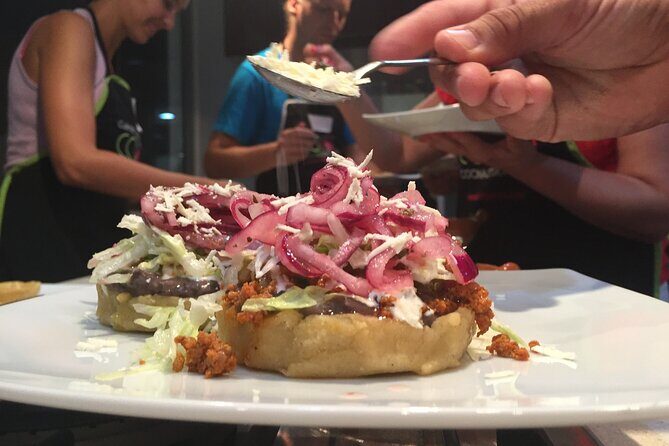
And you should expect more variety than that single menu. In past sessions, the cooking has included an al pastor taco menu (with salsas, homemade chorizo, pickled onions, refried beans, corn tortillas, guacamole, and grilled flank steak), plus different moles—green mole, black mole, poblano mole, and manchamanteles. Some groups have also made birria tacos, tortilla soup, and shrimp-stuffed chile relleno on other days.
Here’s how to think about the menu choice. If you want seafood flavors and a strong “Mexican technique” feel, go for the longer option. If you want a crowd-pleaser path like tacos and sauces, you’ll likely see taco and mole-heavy menus. Either way, the key takeaway is that you learn flavor building blocks—peppers, salsas, and sauces—so you can adapt later at home.
The pepper lesson: the fast track to understanding Mexican flavor
One of the most practical parts of this class is the way Chef Coty teaches peppers. The class includes time to learn about fresh and dried peppers, and you get samples so you can actually see and taste what you’re working with.
That sounds basic, but it’s hugely useful. Many people know chili exists; fewer people know which peppers are smoky, which are fruity, which are earthy, and which are meant for specific dishes. Once you understand that, your salsa and mole decisions stop being guesses.
You’ll also learn how different peppers show up in real recipes. For example, chipotle is often used to create that smoky heat in ceviche-style flavors, while dried chiles can carry deeper roast notes in moles and more complex sauces. You don’t just memorize names—you connect them to the food you’re making in front of you.
If you’ve ever cooked a salsa at home and wondered why it tastes flat next to the real thing, this pepper and sauce instruction is the missing piece.
Sauces, mole, and the reason everything tastes correct
If you’re expecting “guac and tacos, plus vibes,” you’ll be pleasantly surprised. The class leans hard into sauces. Mexican cooking is often sauce-driven, and you’ll see that in real time.
You might work through:
- chipotle-based sauces for ceviche
- achiote marinades and banana-leaf wrapping (for depth and aroma)
- xnipec sauce with the fish and shrimp
- caramelized, flambeed dessert flavors with rompope sauce
- multiple moles (green, black, poblano, manchamanteles), which are different beyond just color
The way you’ll benefit is simple: you’ll learn how sauces are built—what ingredients provide sweetness, smoke, acidity, or heat, and how those pieces balance on the plate. Even if you don’t cook mole often, the sauce logic transfers to any Mexican dish: tacos, rice bowls, enchilada-style fillings, and even everyday salsa.
You can also read our reviews of more cooking classes in Playa del Carmen
Cooking with your own station: why this class feels different
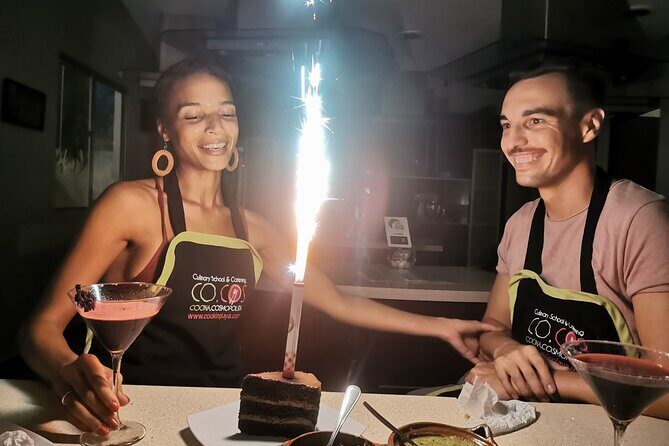
You’ll be part of the work. That means you’ll get guidance as you go, and you’ll also have chances to fix course-correct problems early, before the dish is ruined.
From the class experience format, the kitchen is designed for real participation:
- you cook your own components
- you’re not just tasting tiny bites
- you can ask questions while steps are still doable
One big practical benefit of this station setup: you’ll leave with clearer muscle memory. You’ll know how long to cook something, when a sauce thickens, and what the dish should look like at each stage. That makes it much easier to recreate at home than classes where you only watch.
And because it’s in a home-style environment, the teaching tends to feel direct and human—Chef Coty and her assistants keep things moving while still making sure people understand what they’re doing.
The tequila and mezcal tasting: what you actually get out of it
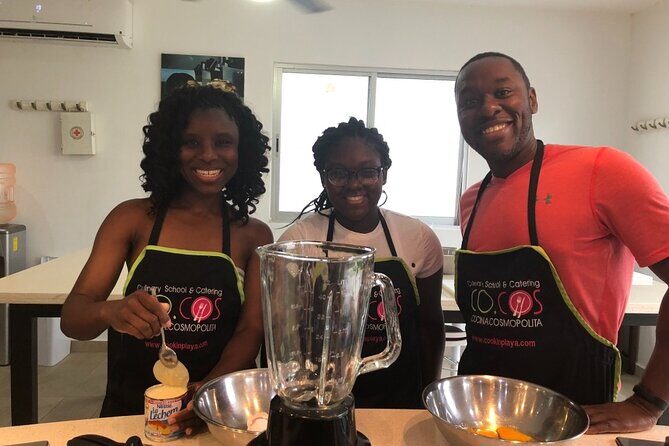
This isn’t just a small pour for entertainment. The class includes a lesson and tasting on tequila and mezcal at the end, timed with dessert.
What you can expect:
- a guided explanation of the spirits during the final stretch
- tastings as part of the wrap-up
- a connection between the lesson and what you’ve just been cooking
In real life, this matters because it turns the “fun drink moment” into something educational you can talk about later—especially if you like cocktails, Mexican food, or spirits and want to know the differences beyond branding.
The tasting is also nicely paired. Dessert like flambeed bananas with rompope can handle sweet and creamy notes, while tequila and mezcal bring contrasting herbal, smoky, or bright profiles depending on what’s served. That pairing makes the tasting feel intentional, not tacked on.
Meals and drinks included: your value check
At $105 per person, you should compare this to what you’d pay for:
- a cooking class ticket
- guided ingredients and instruction
- a multi-course meal
- drinks
This experience includes the meal and drinks (alcoholic and non-alcoholic), plus the use of cooking equipment and recipes. You also get the extra instruction components: peppers and tequila/mezcal.
So the value is strongest if you’re choosing the 3-course option and you’ll actually eat what you cook. If you prefer shorter experiences, the 1-course class becomes a better fit, because you still get the teaching and tasting at a slightly lighter time commitment.
Just remember: transportation is not included. If you’re staying in downtown Playa del Carmen, you’ll likely need a taxi or a plan to get to El Cielo Residencial. The meeting point is listed at Carretera Federal km 95, 77727 Playa del Carmen, and the area is described as easy to find, in a gated residential community.
Who this class is best for (and who should skip it)
This cooking class is a great fit if you:
- want hands-on Mexican cooking, not a demo
- care about sauces and peppers and want to understand them
- like a small group meal with wine and beer
- are a foodie or hobby cook who wants practical steps and recipes
- need a vegetarian or vegan option (just advise ahead)
It may not be the best fit if you:
- have very limited time and hate multi-hour food plans
- expect transportation to be provided door-to-door
- want a mostly hands-off experience where you just watch
Also, if you’re a solo traveler, there’s a minimum group size of 2 people to open a class. That means you should ask about availability before you lock in your dates.
Timing and logistics: the practical way to plan your evening
Here’s how to set yourself up for a smooth experience.
Start by planning your day so you’re ready to cook. For the 3-course option, treat it like a dinner event that stretches for about 5 hours. For the 1-course, plan for around 3 hours.
Wear comfortable clothes. You’ll be standing and moving at your station. Bring a good attitude toward food hands-on work. The class format is meant for you to get involved, not just sample.
When it’s time to eat, you’ll sit down with wine and beer and enjoy what you made. The tasting comes at the end. So don’t schedule your next big plan right after the class unless you’re okay with a late finish.
Finally, confirm you’re booking for the language you want. The class is offered in English, and you’ll get the best experience if you’re comfortable following instruction in that language.
Should you book Co.Cos Culinary School in Playa del Carmen?
I’d book it if you want authentic Mexican cooking you can repeat at home. The strongest reasons are the same ones that matter most in the real world: you cook at your own station, the class focuses on peppers and sauces (not just generic tacos), and the tequila/mezcal tasting adds a fun, educational ending.
If you’re the type who enjoys learning flavors—chipotle, achiote, mole, and sauce balances—this is one of the easiest “good value” food experiences in Playa. Choose the 3-course option if you can handle the time and want the full arc. Choose the 1-course option if you want a concentrated taste of the teaching style.
One last check: plan your transport ahead, especially since it’s not included. If you can solve that, you’ll likely have a memorable evening where you leave with more than a full stomach—you leave with methods.
FAQ
What is included in the Mexican cooking class?
Food and drinks are included (alcoholic and non-alcoholic), along with use of the cooking equipment and the recipes. You also participate in the cooking instruction and the tequila and mezcal lesson/tasting.
How long is the class, and how do I choose 1 course vs 3 courses?
You can book either a 1-course class (about 3 hours, offered Tuesdays or Thursdays) or a 3-course class (about 5 hours, offered Mondays, Wednesdays, and Fridays).
Do vegetarians and vegans need to book a special class?
Vegetarians and vegans are welcome, but you should advise ahead of time so the class can accommodate your dietary needs.
Is transportation provided?
No. Transportation is not included, so you’ll need to arrange your own way to the meeting point and back.
Where does the class start and end?
The meeting point is listed at El Cielo Residencial, Carretera Federal km 95, 77727 Playa del Carmen, Q.R., Mexico. The activity ends back at the meeting point.
Is the class suitable for solo travelers?
There is a minimum number of people needed to open the class (2). If you’re traveling solo, it’s smart to ask about availability before booking.