REVIEW · TULUM
Tulum: Tulum National Park Guided Bike Tour
Book on GetYourGuide →Operated by Adventure Bike Tulum · Bookable on GetYourGuide
Two hours of bikes and wildlife in Tulum. This guided ride through Tulum National Park is built for people who want real nature access, not just a quick stop. I like that you’re learning from a certified guide as you move between conservation points and viewpoints. You’ll also get panoramic scenery over the mangroves and the Caribbean Sea, plus a dedicated marine fauna area. One drawback: it’s not for you if you can’t confidently ride a bike.
The route is short enough to stay relaxed, but purposeful enough to feel like a day’s worth of seeing. You cover about 7 kilometers with a small group capped at 10, and the guide keeps the pace moving so you’re not just waiting around. I also like that the experience includes practical marine-focused interpretation, which is the difference between seeing something once and understanding what you’re looking at.
A verified booking in late 2025 praised guide Marcel for being very knowledgeable and for explaining the areas clearly. That matters here, because the park’s value is in the details—what you notice, and what it means. If you’re prone to sunburn or you’re sensitive to heat, plan to come ready, since this is an outdoor ride with lots of exposure.
In This Review
- Key highlights worth showing up for
- Starting at the South Access Viewpoint Tower for immediate big views
- Cultural Center for Conservation: learning why these places matter
- Mangrove and lighthouse viewpoints for panoramic sea air
- Marine fauna observation area: the part with real emotion
- Bike ride realities: 7 kilometers, 2 hours, and a small-group pace
- Price and value: what $87 buys you (and why it feels fair)
- Should you book this Tulum National Park guided bike tour?
- FAQ
- How long is the Tulum National Park guided bike tour?
- How far do you ride during the tour?
- What is the group size for the bike tour?
- What languages is the live guide available in?
- What’s included in the $87 price?
- What do I need to bring?
Key highlights worth showing up for
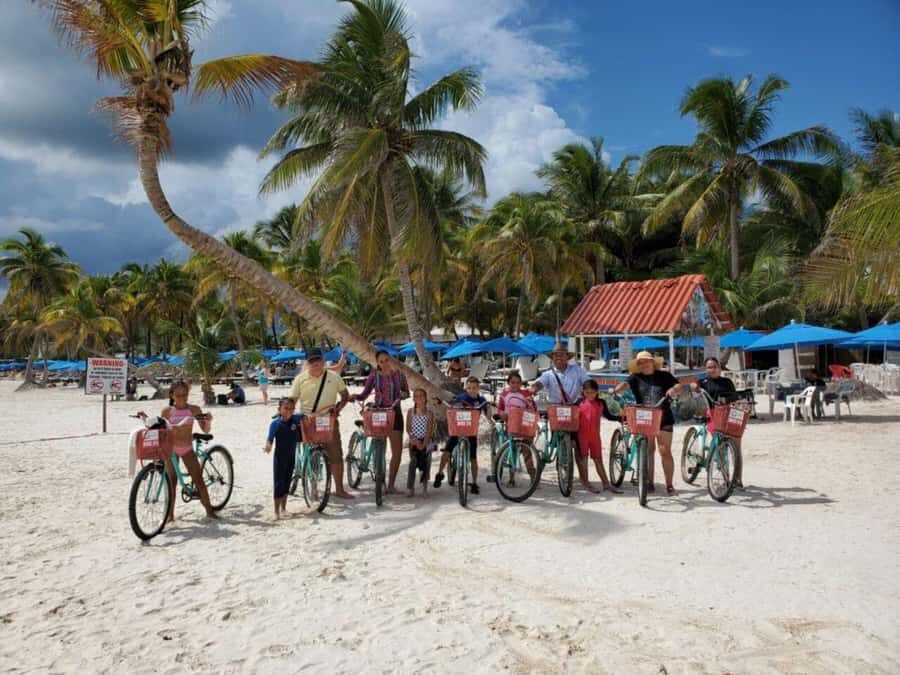
- Federally certified guidance with biocultural interpretation tied to what you’re seeing
- South Access Viewpoint Tower start for fast “wow” panoramic views
- Cultural Center for Conservation stop that gives the park context
- Mangrove Viewpoint and lighthouse views with wide open sightlines
- Marine fauna observation area, including a turtle moment for at least one verified guest
- Small group size (up to 10) that keeps the tour feeling personal
Starting at the South Access Viewpoint Tower for immediate big views
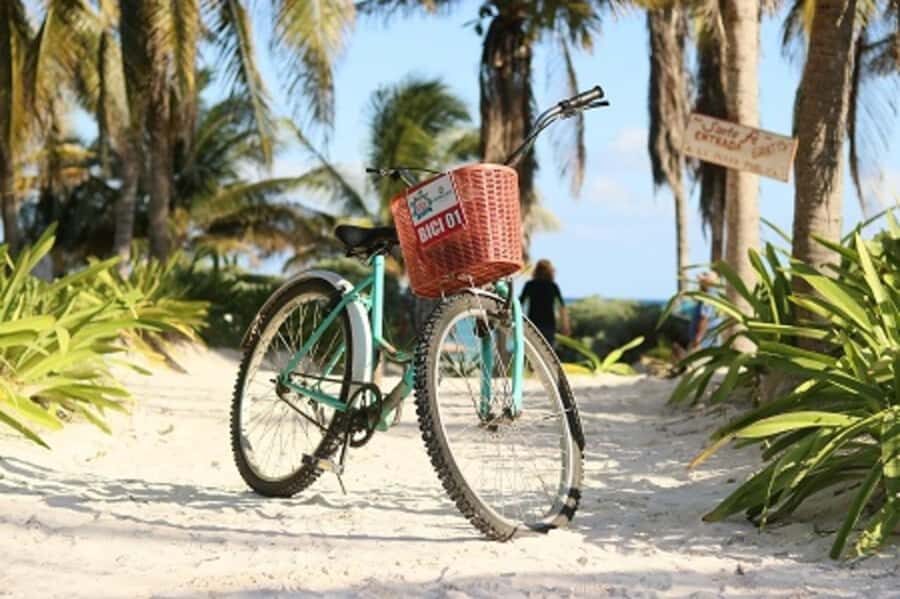
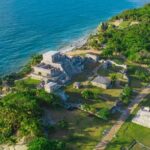
Your tour day kicks off at the South Access Viewpoint Tower, where you start by getting your bearings. From here, you’re not yet thinking about schedules or gear—you’re just taking in the visual geography of Tulum’s protected area. This is the kind of first stop that sets expectations for the ride: mangroves below, open water beyond, and a sense that the park is a living system, not a theme park.
I like this start because it helps you ride with awareness. Once you understand what direction the water and mangroves lie in, the later viewpoints make more sense. You’ll also be better at spotting movement—birds, changes in vegetation, and the subtle signs that marine life and coastal habitats are connected.
You should also know what this means for your body. You’re outside from the start, so sunglasses, sunscreen, and a hat are more than nice extras. Even with a short total distance, Tulum sun can hit fast, especially when you’re stopped and looking up.
You can also read our reviews of more cycling tours in Tulum
Cultural Center for Conservation: learning why these places matter
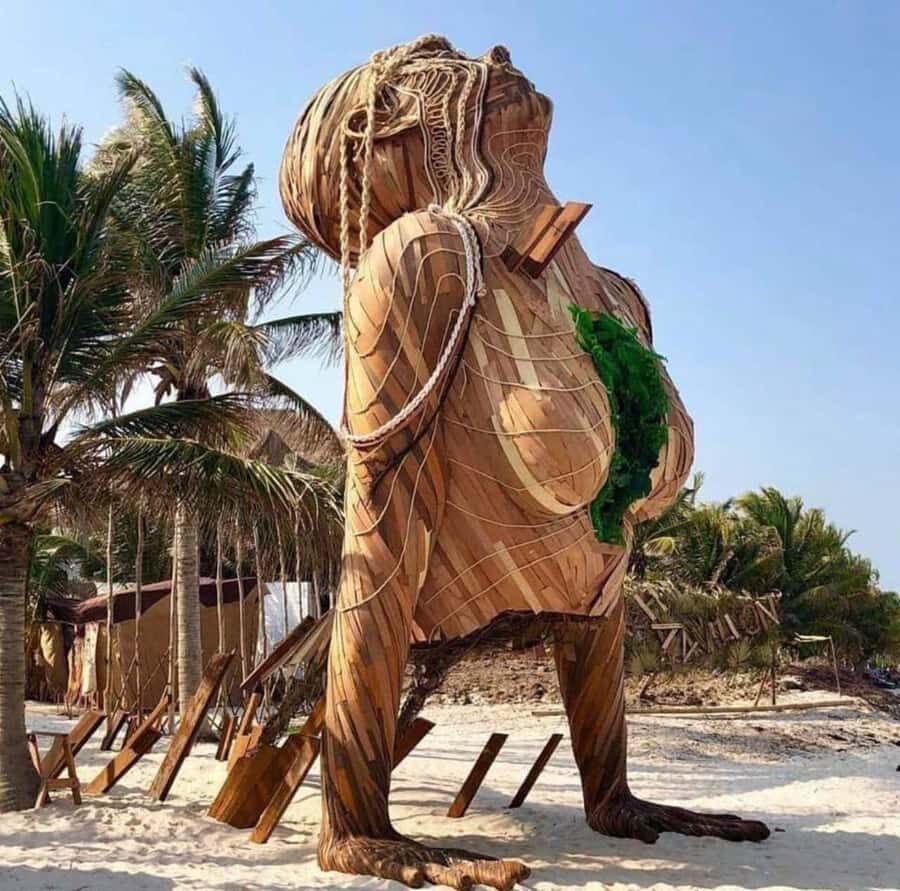
After the first viewpoint, you head to the Cultural Center for Conservation. This stop is key because it turns the ride from scenery into understanding. A certified guide gives biocultural interpretation, which is the park’s way of connecting nature to people—how the area’s biodiversity is shaped by the environment, and how humans have historically related to it.
What I find practical about this center stop is that it gives you a mental framework before you reach the mangroves and the lighthouse area. Without that context, you can still enjoy the views. With it, you start seeing patterns: how conservation shapes what you’re allowed to observe, and how different parts of the habitat support different animals.
You’ll also likely notice how the guide’s explanations are made for walking-and-riding attention spans. You’re not stuck reading placards. You’re moving, listening, then looking again outside. That back-and-forth is exactly how to learn in a place like this.
Mangrove and lighthouse viewpoints for panoramic sea air
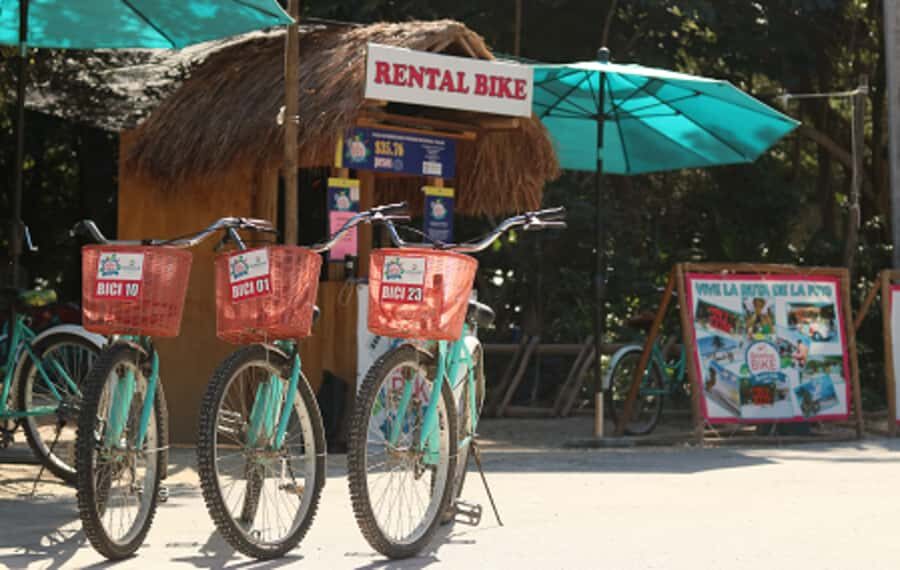
Next come the mangrove and lighthouse viewpoints—two stops designed for sightlines. The mangrove viewpoint is where you’ll appreciate the coastline’s “in-between” world: land that doesn’t feel fully land, and water that doesn’t feel fully open sea. The tour highlights also call out panoramic views of the mangroves and the Caribbean Sea, and that’s the whole point of this section. It’s your chance to slow down, look wide, and understand how the coast works.
Then you shift toward the lighthouse viewpoint. Even if you’ve seen ocean views before, this one tends to feel different because it’s anchored to the protected area you’ve been riding through. You’re seeing the same coastline, but from a more structured angle—like the park is showing you where the action happens.
One thing to consider: these are viewpoints. That means you might be stationary for a bit while the group listens or photos circulate. If you burn easily, treat sunscreen like a non-negotiable, and keep your water where you can grab it quickly.
Marine fauna observation area: the part with real emotion
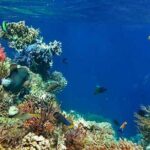
The final “nature payoff” is the marine fauna observation area. This stop exists for one reason: to help you observe local wildlife in its natural habitat. It’s not about gimmicks. It’s about learning how to look and what to respect while you watch.
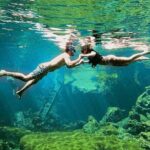
In one verified booking, Luis (United States) specifically called out swimming with turtles, saying they come right up to you. That’s a pretty direct signal that this part of the experience can be memorable and close-up. I can’t promise everyone gets the same level of turtle contact, but the tour’s structure clearly sets you up for a wildlife-focused moment rather than a generic photo stop.
If you want to make the most of this segment, your best move is simple: keep your attention on the water’s surface changes and the guide’s cues. When a certified guide is leading interpretation here, they’re usually helping you spot behavior, not just animals. That’s how you get a better “wow” moment without disturbing the habitat.
Bike ride realities: 7 kilometers, 2 hours, and a small-group pace
This tour runs for 2 hours and covers about 7 kilometers. That’s a sweet spot. It’s long enough to feel like you traveled through the park, but short enough that you’re not exhausted by the time you reach the most interesting stops. You’ll be in a small group limited to 10 people, which helps the guide manage pace, spacing, and questions without turning the ride into a shuffle.
The big practical note is also the most important: it’s not suitable if you can’t ride a bike. There’s no “watch only” option described here, so your comfort on two wheels matters. If you’re a confident rider, you’ll likely enjoy how the route strings viewpoints and education together.
For timing, keep your expectations realistic. Two hours includes movement plus time at stops for interpretation and observing. That means you’ll want to avoid showing up in a rushed state. You’ll enjoy the experience more if you arrive ready to listen, not just ready to pedal.
And yes, bring the basics listed by the tour:
- sunglasses
- hat
- sunscreen
- comfortable clothes
- water (and you’ll get a bottle on the tour)
You can also read our reviews of more guided tours in Tulum
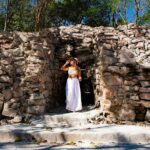
Price and value: what $87 buys you (and why it feels fair)
At $87 per person, this is positioned as a guided, federally led nature experience—not a casual ride. The value comes from a few specific inclusions:
- Certified federal guide (you’re paying for expert interpretation, not just transportation)
- Biocultural interpretation (this is what turns stops into meaning)
- Accident insurance during the tour (a small but real reassurance for an outdoor activity)
- Bottle of water
What’s not included is mainly souvenirs. That’s normal for tours focused on conservation and observation. The trade-off is you’re spending on the guide and the experience itself: the tower start, conservation center learning, viewpoint time, and the marine fauna observation segment.
Also, the small group size (up to 10) usually means you get more of the guide’s attention. In a place where “looking correctly” helps, that’s worth something.
If you’re trying to compare value with other Tulum activities, ask yourself what you want most: a fast checklist of sights, or time with interpretation in protected nature. This is built for the second choice.
Should you book this Tulum National Park guided bike tour?
Book it if you want a guided way to see more than one side of the coast: tower views, conservation context, mangrove and lighthouse panoramas, and a dedicated marine fauna observation area. It’s especially appealing if you like learning while you move, not after the fact.
Skip it if bike riding isn’t your strength, or if you’re likely to struggle with sun exposure without careful preparation. You’ll be outside for the full 2 hours, and the best moments happen when you stop to look.
If you’re the type who likes your wildlife experiences to feel natural and respectful, this tour’s structure matches that. The guide-led interpretation is the difference between simply passing through and actually noticing what makes the park worth protecting.
FAQ
How long is the Tulum National Park guided bike tour?
The tour lasts 2 hours.
How far do you ride during the tour?
The total distance is 7 kilometers.
What is the group size for the bike tour?
The group is small, with a limit of 10 participants.
What languages is the live guide available in?
The guide is available in English and Spanish.
What’s included in the $87 price?
The price includes a certified federal guide, biocultural interpretation, accident insurance during the tour, and a bottle of water.
What do I need to bring?
Bring sunglasses, a hat, sunscreen, water, and comfortable clothes.
You Might Also Enjoy
More Cycling Tours in Tulum
More Tours in Tulum

More Tour Reviews in Tulum
- Selva Maya Eco Adventure Park: Ziplining, Hanging Bridges, Rappelling and Cenote
★ 5.0 · 1,057 reviews