REVIEW · PLAYA DEL CARMEN
Surfing Lessons – Learn To Surf In Playa del Carmen
Book on Viator →Operated by Aloha Paddle Club · Bookable on Viator
First-time surfing feels risky until someone breaks it down. This lesson in Playa del Carmen pairs step-by-step coaching with a clear safety plan, so you know what to do before you ever paddle. One drawback: it depends on good weather, and poor conditions can shift plans.
I also like that you start on land before the waves. The class is capped at 6 travelers, which keeps the energy manageable and makes it easier to get guidance when your balance is still a work in progress.
In This Review
- Key Highlights (Worth Your Attention)
- Playa Del Carmen Surf Lesson: what you’re really paying for
- Finding Aloha Paddleboard & Surf Club c/o Fusion Beach
- Stop 1: Fusion Beach Bar Cuisine and the pre-surf rhythm
- Stop 2: Aloha Paddleboard & Surf Club and your gear check
- Safety Briefing: how they set you up for falling and surfing
- On-Land Instruction: the step-by-step that builds balance fast
- Into the Water: paddling, pop-up, and whitewater first
- Lesson pacing: the real reason it feels doable
- Gear and comfort: included basics and what to add
- Price and value: why $75 can be a bargain (or not)
- Sunset energy and learning with new friends
- Who this lesson suits best
- One important consideration: weather and timing
- Should you book Surfing Lessons in Playa del Carmen?
- FAQ
- How long is the surf lesson?
- Where is the meeting point?
- Is the lesson offered in English?
- What’s included with the lesson?
- What should I bring?
- How many people are in the group?
- Is the lesson suitable for beginners?
- What happens if the weather isn’t good?
- Can I cancel for a full refund?
- Are service animals allowed?
Key Highlights (Worth Your Attention)
- Land-first confidence building: you practice stance, balance, and core moves before you hit the water
- Thorough safety briefing: includes how to fall and how to avoid hazards
- Small group size (max 6): more attention per person during pop-up and wave practice
- Focused water time: small, manageable surf with wave selection and whitewater riding
- Practical gear support: surfboard with leash, sunscreen for your face, rash guard (plus shower and storage)
- Food and drink tie-in: a 15% discount at Fusion Beach Bar or Muza Surf Bar after the session
Playa Del Carmen Surf Lesson: what you’re really paying for
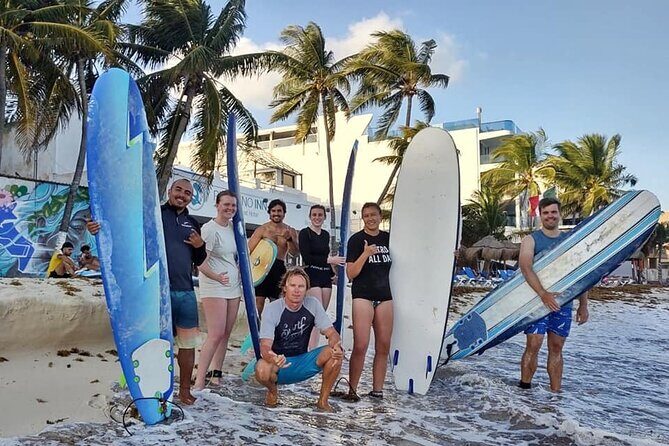
At $75 per person for about 2 hours, you’re paying for something bigger than just time on a board. This is structured learning: you get an intro, a safety briefing, land technique, then water practice in small surf. That matters because surfing is mostly about coordination and timing, not luck.
The price also stacks up well when you look at what’s included. You get a surfboard with a leash, sunscreen for your face, and a rash guard (and the company still recommends bringing your own). Add shower, storage, and bathrooms, and you’re not scrambling to rent gear or hunt for facilities right after getting salty.
You can also read our reviews of more tours and experiences in Playa del Carmen



Finding Aloha Paddleboard & Surf Club c/o Fusion Beach
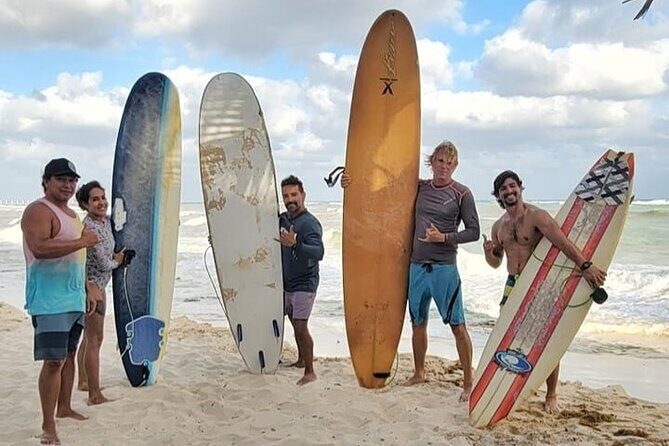
You meet at Aloha Paddleboard & Surf Club c/o Fusion Beach, Calle 6 Nte, Centro, Playa del Carmen (77710), Quintana Roo. Starting here helps you keep the day simple: you’re not hunting across the coast for a random beach access point.
It’s also convenient if you’re moving around town, since it’s listed as being near public transportation. If you’re coming from a hotel in Playa del Carmen, that’s a real time-saver.
Pro tip for peace of mind: plan to arrive early enough to get settled, use the bathroom, and confirm you’re in the right place before your gear moment.
Stop 1: Fusion Beach Bar Cuisine and the pre-surf rhythm
The lesson includes Stop 1: Fusion Beach Bar Cuisine. In practice, this functions like a low-stress launch point. You’re around a public-facing location, and it sets you up to start your session without feeling lost.
There’s a bonus here too: the tour includes a 15% discount at Fusion Beach Bar (or Muza Surf Bar) with a minimum consumption. So once you’re done learning, you can make the trip feel more like a beach afternoon than a one-and-done activity.
Stop 2: Aloha Paddleboard & Surf Club and your gear check
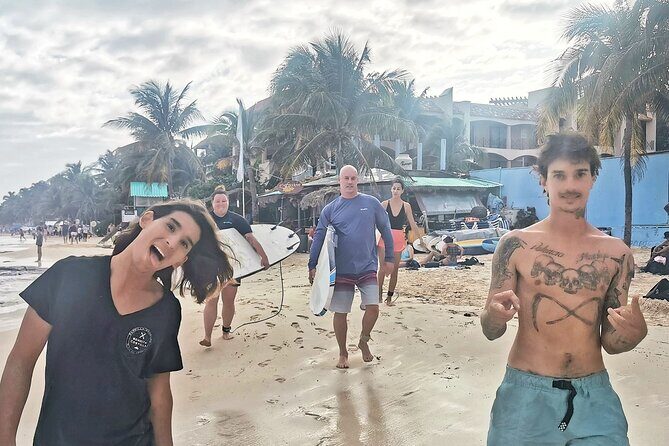
Stop 2 is the actual surf-school base: Aloha Paddleboard & Surf Club at Fusion Beach. This is where you should expect the important pre-session steps—getting your board sorted and making sure you understand how to use the leash and equipment properly.
Even small details help. A lesson that includes bathrooms and storage means you can keep your essentials secure instead of carrying them around in flip-flops between land practice and ocean practice. That’s one of those “quiet quality” things that makes the day smoother.
Safety Briefing: how they set you up for falling and surfing
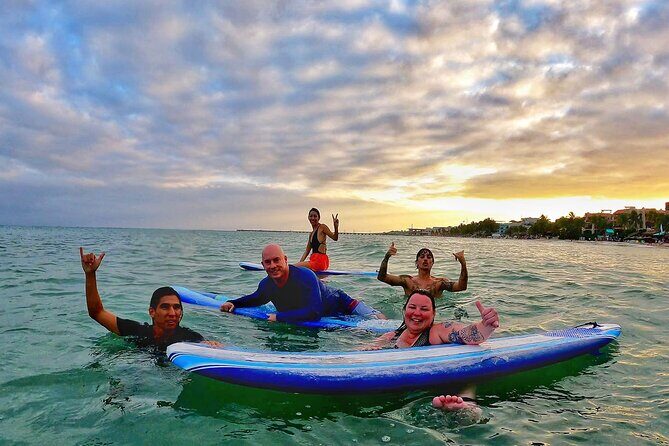
Right up front, you get an introduction to the instructor and the group. Then comes the safety briefing, which covers both surfing and falling techniques, plus guidelines for avoiding hazards.
This part is more valuable than it sounds. Surfing is intimidating mostly because falling can feel confusing. If you understand how to fall safely and what hazards to watch for, your brain relaxes faster. And when you’re less tense, the pop-up and balance work sticks better.
They also explain equipment use. That’s the difference between trying the board like it’s a magic trick and understanding how it behaves.






On-Land Instruction: the step-by-step that builds balance fast
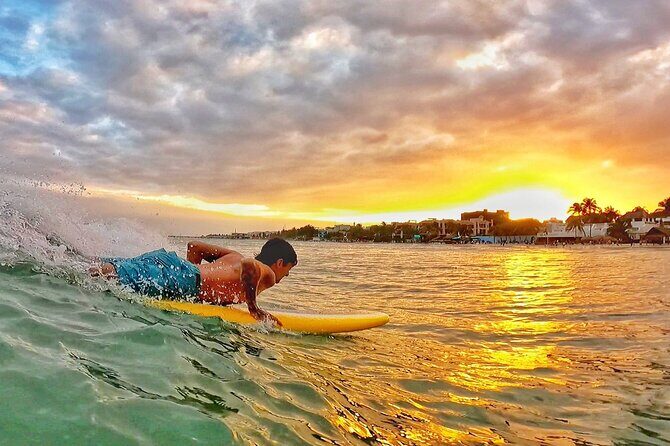
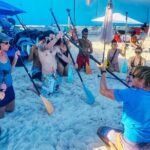
This lesson is built around on-land coaching first. You start with an overview of surfing technique like proper stance, paddling mechanics, and how to select waves. Before you even step into the water, you get demonstrations of body position and balance on the board.
You’ll also work through basic maneuvers such as the bottom turn and cutback. Even if you don’t nail them instantly, knowing the vocabulary helps because it gives your instructor something specific to correct.
Why this format works: on land, you can repeat movements without the pressure of waves. Your muscles learn the shape, and then the ocean becomes the place where you apply it instead of the place you’re learning it for the first time.
If you’re booking for a child or a beginner who gets frustrated easily, this land stage is often the key. It reduces the panic factor and speeds up the moment when it finally clicks.
Into the Water: paddling, pop-up, and whitewater first
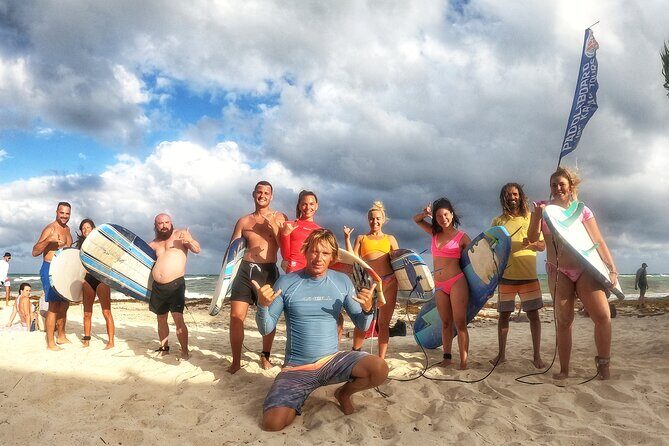
When you transition to the water, the lesson keeps things realistic. You practice basic paddling technique and wave selection in small, manageable surf. That’s smart because choosing the wrong wave is one of the fastest ways for beginners to waste energy.
Then you learn the pop-up technique, with an emphasis on riding whitewater waves. Whitewater is the beginner-friendly surf that helps you focus on standing and staying balanced rather than wrestling for everything.
During this phase, you also get instruction on surf etiquette and rules of the lineup. That’s not just politeness—it’s how you avoid collisions and protect your progress. You’ll practice basic maneuvers in the same small conditions so you can build success before moving on.
A lot of lessons say they give you waves. The value here is that the instruction aims to put you in front of the right opportunities. That’s how you end the lesson feeling like you learned something concrete, not just survived the wipeouts.
Lesson pacing: the real reason it feels doable
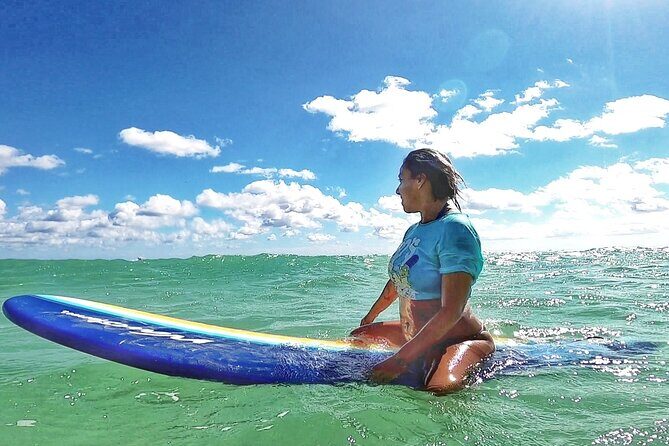
The session is about 2 hours, and it’s designed to stay active. You’re not sitting through long lectures. You’re introduced to safety, then you do land practice, then you apply it right away in the ocean.
With a group size capped at 6 travelers, you’re more likely to get quick feedback during the moments that matter—like when your feet are drifting on the board, or your paddling rhythm is off.
Also, starting with manageable surf makes the timeline work. You can build confidence without waiting for perfect conditions that might not show up right away.
Gear and comfort: included basics and what to add
Here’s what’s included:
- Surfboard with leash
- Ecofriendly sunscreen for your face
- Rash guard (and it’s still recommended you bring your own)
- Shower, storage, and bathrooms
- 15% discount at Fusion Beach Bar or Muza Surf Bar with minimum consumption
What’s not included:
- Towel
- Tips are appreciated
So what should you pack? At minimum, bring a towel and be ready with your preferred rash guard. If you’re particular about sunscreen, bring your own too—what’s provided is specifically for your face, and you might want coverage elsewhere.
The shower and storage matter more than you’d think. After you get wet and sandy, you’ll feel better if you can rinse off and put your stuff away securely before heading back out.
Price and value: why $75 can be a bargain (or not)
For $75, the value is best if you compare what you’d otherwise pay to piece together: board rental, a basic lesson, and access to facilities. You’re getting instruction plus the key gear, which reduces the “hidden costs” that pop up on beach activities.
It also includes a discount you can actually use. If you plan to eat or grab a drink after surfing, the 15% off at Fusion Beach Bar or Muza Surf Bar (with the minimum consumption requirement) can soften the overall cost.
When might $75 feel less worth it? If you show up unprepared (no towel, no rash guard when you prefer your own) and spend time searching for extras, you lose time and momentum. Come prepared and the session flows better.
Sunset energy and learning with new friends
One of the most memorable ways people describe this kind of surf lesson is the feeling of doing it with new friends under good beach light. Some sessions are run at sunset, and that timing can turn the moment from a lesson into a genuine memory.
Even if you’re not aiming for a specific time of day, the “new friends” part matters. Surfing is tough at first, and sharing the learning curve makes it easier to stick with it when you wipe out.
Who this lesson suits best
This works well if you have:
- a moderate physical fitness level
- interest in a structured introduction rather than random attempts
- a beginner mindset that’s okay with safety rules and technique practice
It’s also a strong fit if you want step-by-step clarity. The coaching approach is designed to help you learn fast, including explanations of stance, paddling, wave choice, pop-up, and basic maneuvers.
If you’re someone who hates instruction and wants only freestyle, you might feel constrained by the structured flow. And if you have mobility limitations that make paddling or repeated balance practice difficult, you may want a different activity with less physical demand.
One important consideration: weather and timing
This activity requires good weather. If conditions aren’t right, you’ll be offered an alternate date or a full refund, so you’re not trapped in a bad-weather situation.
Also, the schedule is short and active, so you’ll want to be there on time. If you arrive late, you may miss parts of the land instruction and safety briefing, which are exactly what help you learn quickly.
And yes, there’s one kind of risk you should take seriously with any tour: the occasional no-show problem. It’s not the norm, but it’s enough that I suggest you keep your confirmation handy and do a quick check-in the day of. That small habit saves a lot of frustration.
Should you book Surfing Lessons in Playa del Carmen?
Book it if you want a beginner-friendly surf session that teaches the basics in a sensible order: safety, land training, then small waves where you can actually stand and ride. The small group size and the focus on pop-up and whitewater practice are exactly what you want when you’re learning.
Skip it only if your schedule is rigid during weather-sensitive days, or if you’re not comfortable with moderate physical activity. Also, plan to bring what isn’t included so you don’t lose energy right when you should be practicing.
If you want a realistic shot at catching waves and leaving with skills you can repeat, this is a solid way to start.
FAQ
How long is the surf lesson?
It runs for about 2 hours.
Where is the meeting point?
You meet at Aloha Paddleboard & Surf Club c/o Fusion Beach, Calle 6 Nte, Centro, 77710 Playa del Carmen, Q.R., Mexico.
Is the lesson offered in English?
Yes, the experience is offered in English.
What’s included with the lesson?
You get a surfboard with leash, ecofriendly sunscreen for your face, and a rash guard. There’s also shower, storage, and bathrooms. A 15% discount at Fusion Beach Bar or Muza Surf Bar is included with minimum consumption.
What should I bring?
Bring a towel. Tips are always appreciated, and the company includes a rash guard but recommends bringing your own as well.
How many people are in the group?
The maximum group size is 6 travelers.
Is the lesson suitable for beginners?
It’s designed for learning with step-by-step instruction, including on-land practice before you hit the waves, plus pop-up practice and whitewater riding.
What happens if the weather isn’t good?
The experience requires good weather. If it’s canceled due to poor weather, you’ll be offered a different date or a full refund.
Can I cancel for a full refund?
Yes. Free cancellation is available up to 24 hours in advance for a full refund.
Are service animals allowed?
Service animals are allowed.