REVIEW · PLAYA DEL CARMEN
Mayan Adventure – 3 different snorkeling sites in one day!
Book on GetYourGuide →Operated by Aventuras Mayas · Bookable on GetYourGuide
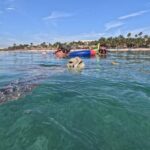
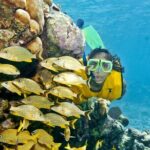
That first breath of fresh air before snorkeling always feels like a reset. This Mayan Adventure strings together three different water ecosystems in one day—jungle underground water, an open cenote, and a closed cenote—so your time in the Caribbean doesn’t feel repetitive. I especially like the bilingual professional guide who explains what you’re seeing and keeps the vibe relaxed. One caution: while the tour is listed as 7 hours, some bookings have felt shorter, with less time in the water than you might expect.
You’ll get picked up and dropped off right at your hotel in Riviera Maya, then travel in an air-conditioned van with a small group limited to 10. Expect steady pacing—enough time to breathe, adjust your snorkel gear, and actually enjoy the stops—rather than feeling rushed from one location to the next. Do plan around basic swimming skills, moderate physical activity, and the fact that towels and photos aren’t included.
In This Review
- Key things I’d circle before you go
- Why the three-site format makes sense in Quintana Roo
- Getting picked up, kept on schedule, and not rushed
- Stop one: snorkeling in jungle underground water
- Stop two: an open cenote with zip lines and jump platforms
- Stop three: the closed cenote with bats and deep sections
- The guide matters more than you’d expect (Dimi and Pablo)
- Gear, prescription masks, and the skill level you need
- Lunch, beverages, and what a full day actually costs you
- Price and value: is $119 fair for three snorkeling sites?
- Who this tour fits best (and who should skip it)
- Quick practical checklist (so your day stays easy)
- Should you book Mayan Adventure: 3 different snorkeling sites in one day?
Key things I’d circle before you go
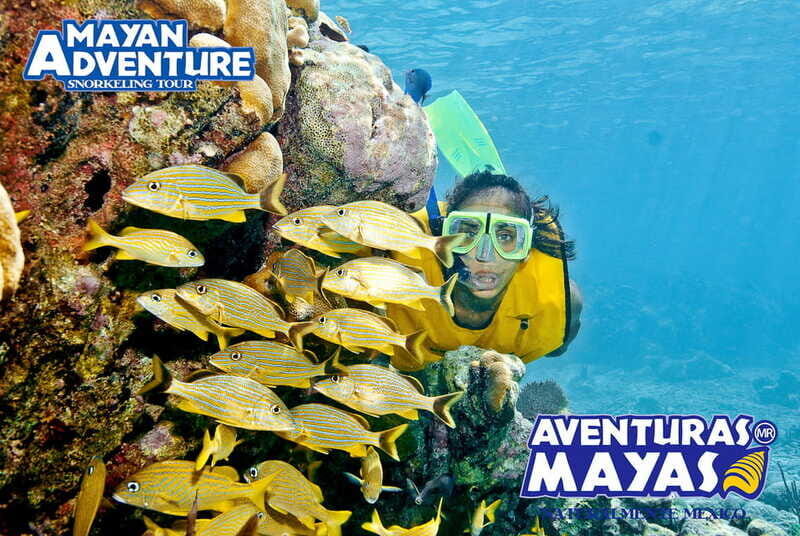
- Three ecosystems in one day: jungle underground water plus two cenotes (open and closed)
- Small-group rhythm (max 10 people) that helps you feel unhurried in the water
- Bilingual guide commentary (English/Spanish) with safety-first snorkeling guidance
- Snorkel gear included, including prescription masks, so you can pack lighter
- Lunch and beverages included for a real mid-day reset
- Cenote variety: one stop includes zip lines and a jumping platform; another is cave-like with bats
Why the three-site format makes sense in Quintana Roo
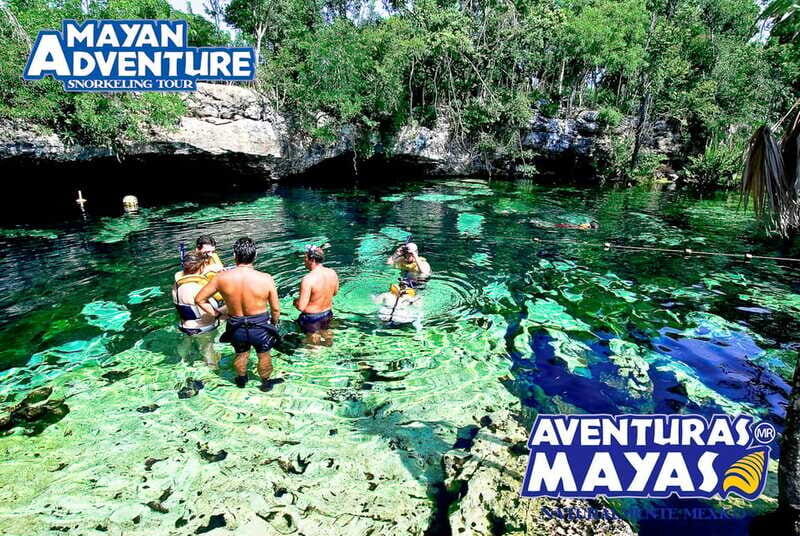
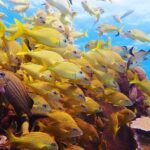
The Mexican Caribbean can feel like a buffet: lots of options, lots of beaches, and plenty of tours that do one thing really well. This one tries something smarter. Instead of only repeating the same kind of snorkeling, you move through different environments that change the feel of the water and the creatures you might see.
In practice, that means you’re not just chasing one highlight. You’re building a day with contrast: open-sky light in an open cenote, darker cave conditions in a closed cenote, and a jungle-related underground-water stop that feels cooler and more mysterious than open ocean. Even if you’re not a super advanced snorkeler, the setting changes enough that the experience stays interesting.
The other big advantage is that the itinerary is set up around a guide’s commentary. A professional bilingual guide doesn’t just point at fish; they help you with snorkeling technique and context—what you’re looking at and why it’s there. That turns a quick swim into something you can actually remember.
You can also read our reviews of more snorkeling tours in Playa Del Carmen
Getting picked up, kept on schedule, and not rushed
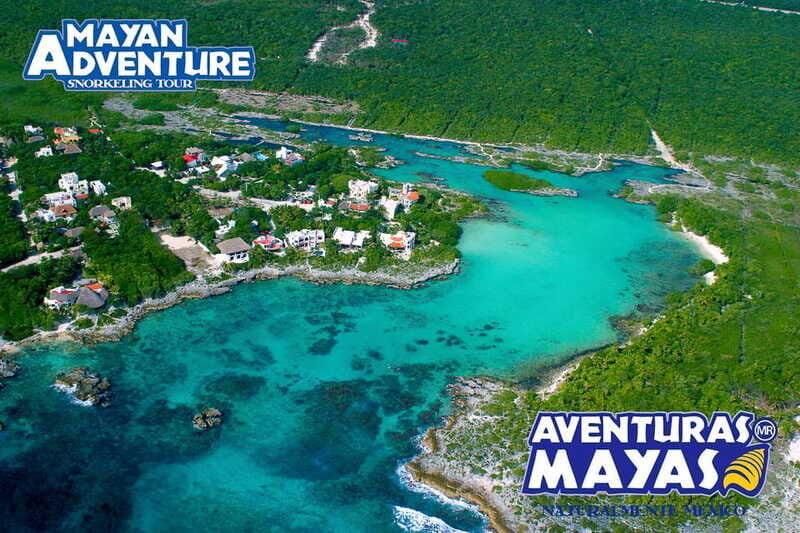
You’ll start with hotel lobby pickup and end with drop-off at your hotel across Riviera Maya. Transportation is in an air-conditioned van, and the group size is capped at 10 participants, which matters more than it sounds.
Small groups usually mean:
- You spend less time waiting while someone counts everyone and everyone counts everyone else.
- The guide can actually keep an eye on water comfort and gear fit.
- You’re more likely to get a calm, paced experience rather than a frantic conveyor-belt day.
About timing: the tour lists 7 hours, but it’s smart to stay realistic. One booking reported being back around 5 hours, with only about 30 minutes of actual snorkeling time. That doesn’t mean that’s your experience—but it’s a good reminder that “7 hours” can include transit, check-in, and breaks. If you’re the type who hates uncertainty, plan your day with buffer time and don’t schedule anything tight right afterward.
Also note the practical rule: you’ll want comfortable shoes. You’ll be walking some distance as you move between water stops and through the cenote areas.
Stop one: snorkeling in jungle underground water
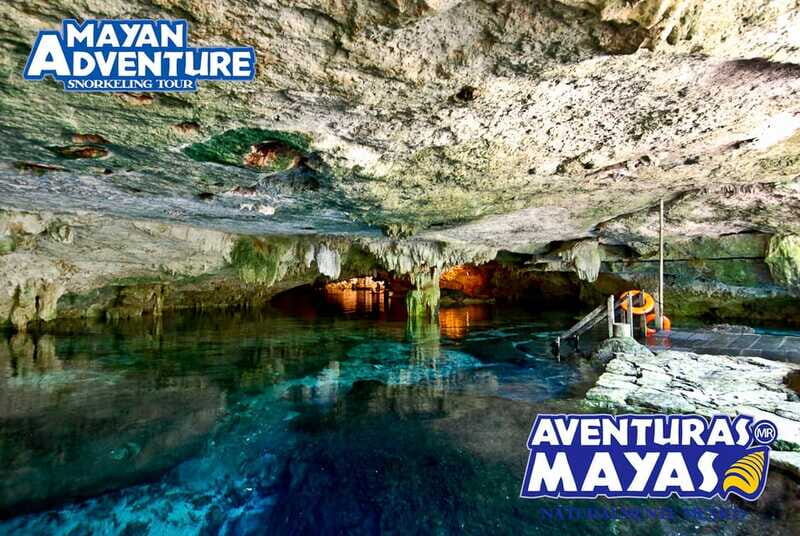
Your day begins with a jungle-related underground-water stop. The description frames it as an underground river in the middle of the jungle, which is exactly the kind of setting that changes how snorkeling feels.
Here’s what you can take from that:
- Expect a calmer, more enclosed water vibe than open ocean.
- Light may be more filtered, which can affect visibility and how confidently you can spot fish.
- The guide’s technique tips matter, because snorkeling in enclosed or changing conditions can make your breathing and buoyancy feel slightly different.
Even if you don’t see huge variety, the environment itself tends to do a lot of the work—cooler air, shaded surroundings, and that “water is happening somewhere below you” feeling. This stop also sets the tone for the rest of the day: you’ll learn how to move slowly, how to stay comfortable, and how to watch without stirring up the bottom.
Stop two: an open cenote with zip lines and jump platforms
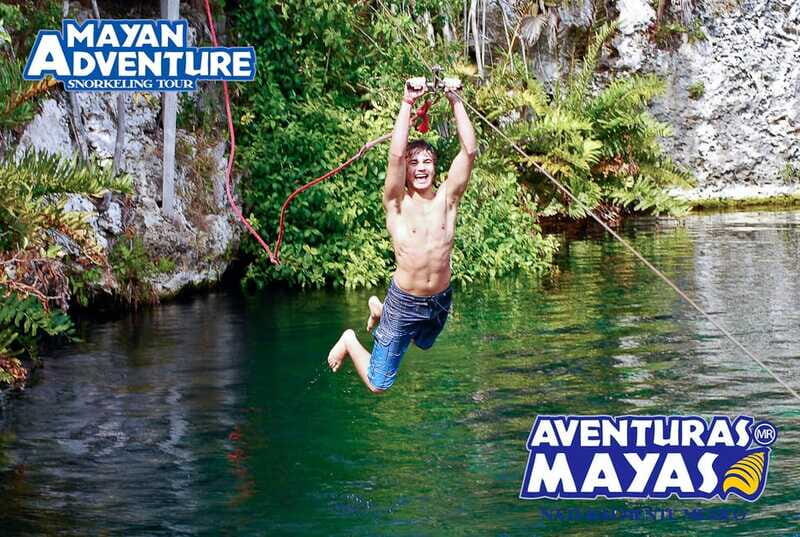
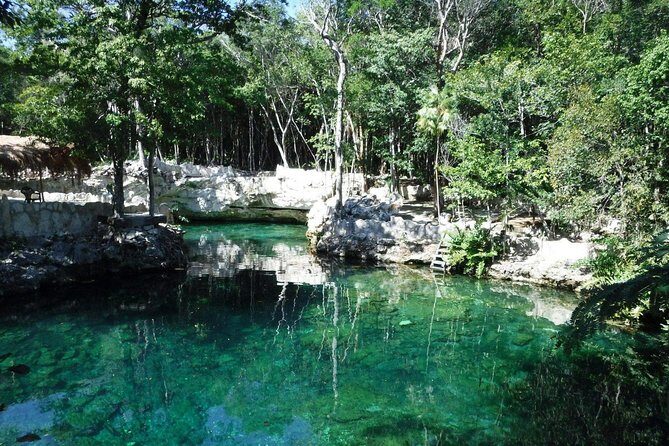
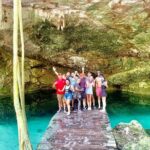
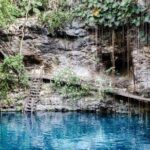
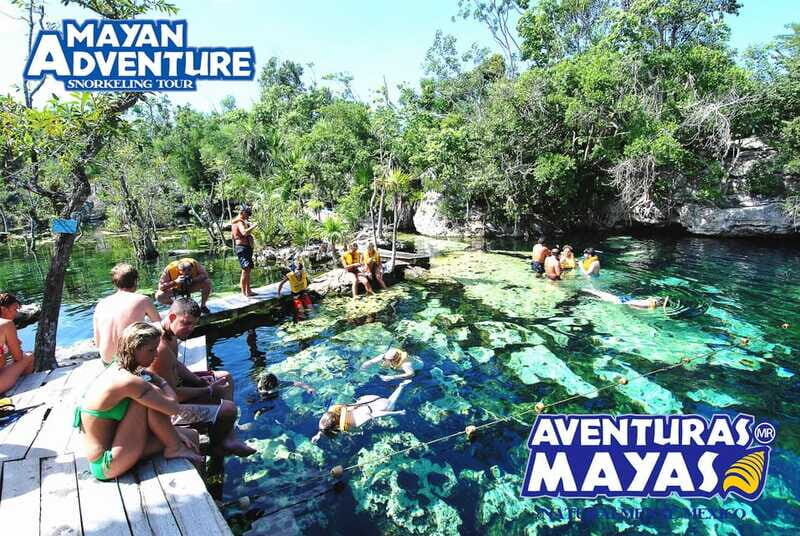
One of the cenotes in this tour is the more open, playful type. A German review specifically called out an open cenote with zip lines and a jumping platform. That detail matters because it changes the whole mood of the stop.
While not everyone will want to use the zip line or jump, the setup usually means:
- More open-air views and brighter light.
- A layout that’s easier to access than deep cave sections.
- A mix of “snorkel and hang out” rather than purely “stare at the ceiling.”
What I like about this kind of stop is that it gives you a smoother entry to cenote snorkeling. You get the surreal cenote feeling—water in a sinkhole—without it turning into a total darkness cave situation immediately.
You’ll still be doing snorkeling here, and the guide’s role becomes extra important: they help you with positioning and pacing so you’re not rushing through a place you’ll remember longer than you think.
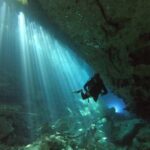
Stop three: the closed cenote with bats and deep sections
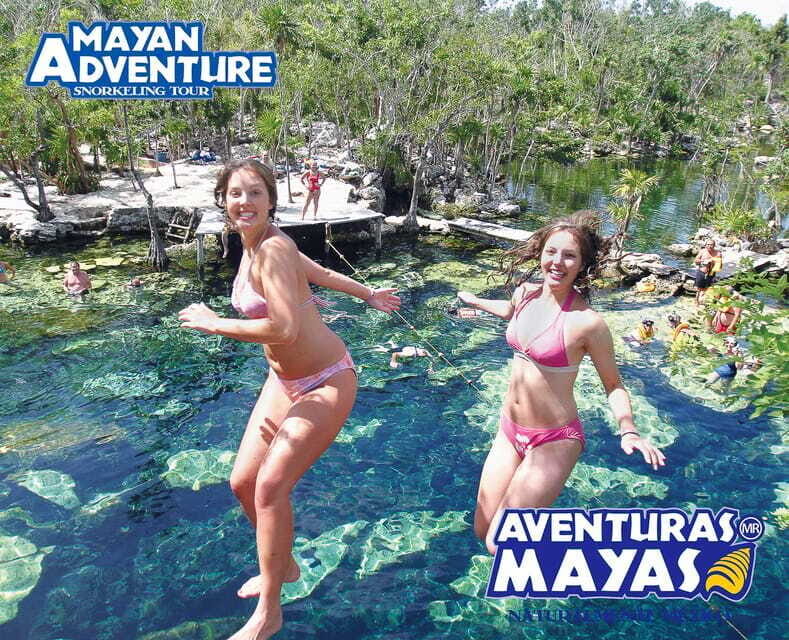
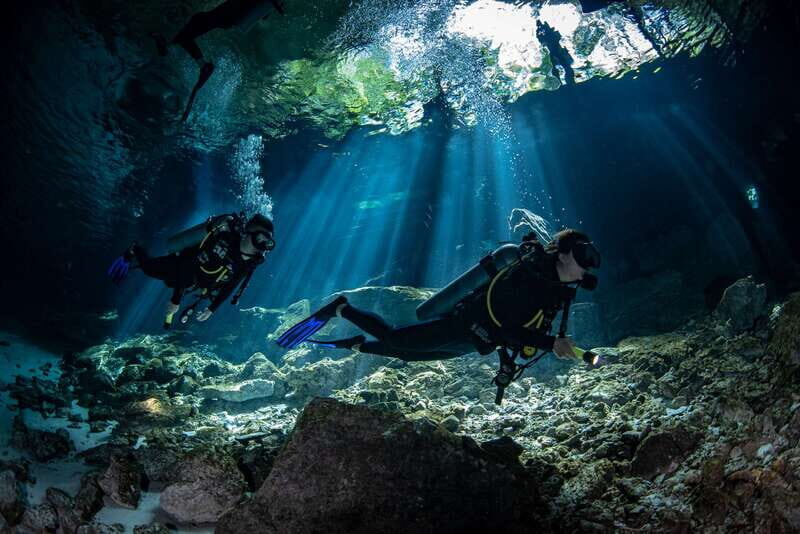
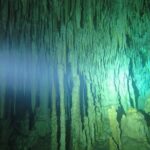
The last cenote stop is the dramatic one. One review highlighted a closed cenote with bats and “tolle tiefen Stellen” (great deep spots). Another guide—Pablo—was praised for making this stop a clear highlight.
This kind of cenote is usually what people picture when they imagine a Mayan sinkhole: enclosed, cooler, and darker. From a practical standpoint, you should be ready for a more intense environment:
- Visibility can feel different than open water.
- You may spend more time adjusting your comfort in the water.
- Depth and movement can feel more noticeable, so technique matters.
The big takeaway: this isn’t just one more swim location. It’s the stop that typically delivers the strongest “wow” factor because the environment changes the way you experience snorkeling. If you’re even a little curious about how nature organizes itself in sinkholes—light, rock, airflow, animal presence—this is the moment your brain locks onto the details.
And yes, bats are part of the story here. You’re not trying to “spot bats” at every second, but knowing they exist (and that this is a closed-cenote system) helps you treat the space with respect and calm focus.
You can also read our reviews of more tours and experiences in Playa Del Carmen
The guide matters more than you’d expect (Dimi and Pablo)
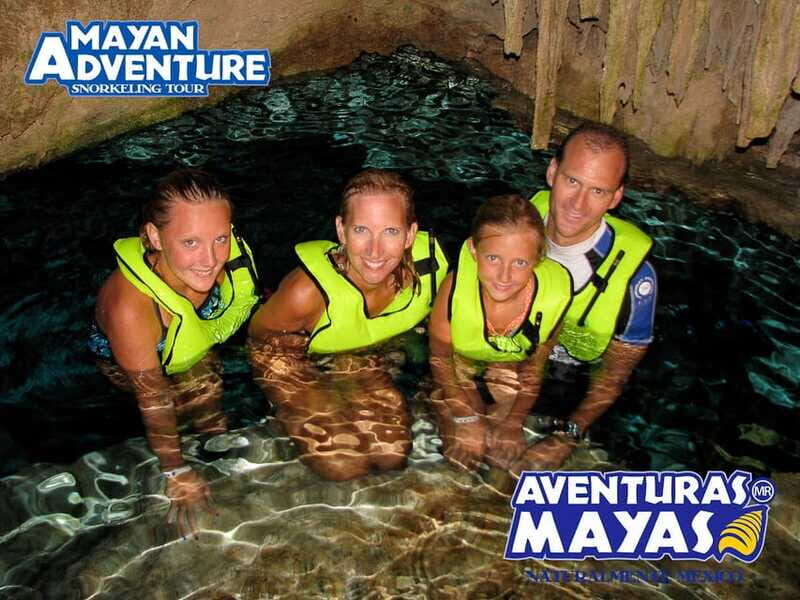
The tour’s main selling point isn’t just three stops. It’s how you’re guided through them. This is where the reviews give you real clues about quality.
A guide named Dimi was described as friendly and attentive, and praised for explaining interesting details. Another guide, Pablo, was also called out as super friendly and attentive, with strong explanations—especially at the closed cenote.
So what does that look like day-to-day?
- You get real commentary in English and Spanish, not just a vague “look over there.”
- You learn snorkeling techniques so you can relax your body and move naturally.
- Safety is part of the conversation. The tour specifically stresses that guides make sure you feel safe, and that matters a lot in enclosed cenote environments.
If you’ve ever been on a snorkeling trip where the guide basically counts heads and points, this will feel different. Here, the guide’s explanations help you stay engaged with what you’re seeing instead of feeling like you’re guessing.
Gear, prescription masks, and the skill level you need
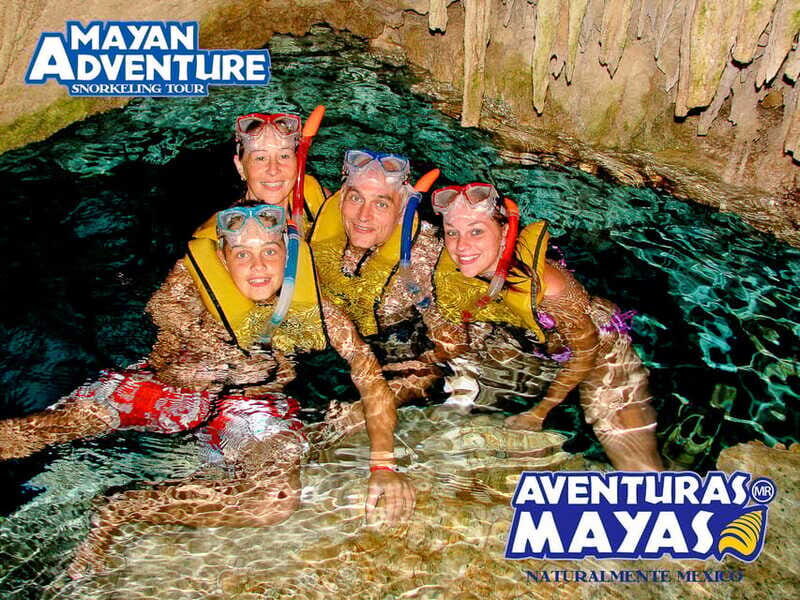
Good snorkeling trips don’t start in the water. They start with gear that fits and a comfort plan for your breathing.
This tour includes snorkel equipment, and that includes prescription masks. That’s a big deal for anyone who usually wears contacts or struggles with standard masks. You also don’t need to bring your own snorkel set unless you’re picky about a specific setup.
But there’s another side to that coin: you still need basic swimming skills. The tour notes it’s not suitable for people with severe physical or motor handicap, serious heart problems, or anyone who can’t handle moderate physical activity. Children under 6 can participate only under a responsible parent or family member’s direct supervision.
So if you’re on the fence, be honest about your comfort level:
- Can you float calmly and move steadily?
- Are you comfortable getting in and out of water in a guided setting?
- Do you handle moderate activity without breathing stress?
If the answer is shaky, choose a different water activity that matches your comfort.
Lunch, beverages, and what a full day actually costs you
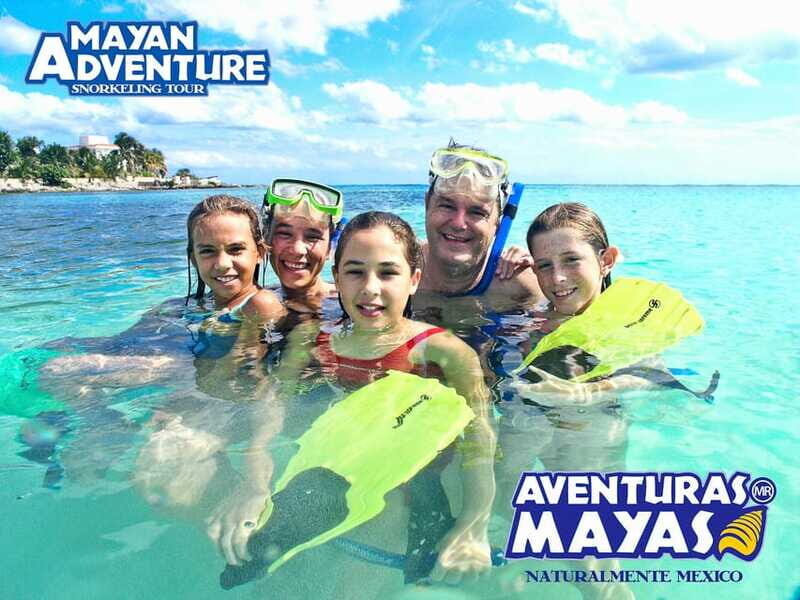
You’ll get lunch and beverages included. One review described a buffet that was “völlig okay” with chicken, rice, tortillas, and salad. In other words: don’t expect fine-dining perfection, but you should expect a real meal that keeps you from running on adrenaline until the last snorkel session.
This matters because cenote days aren’t just about the water. The land portion can be tiring, and the weather can shift as the day goes on. Having lunch included turns the trip into an actual day out, not a half-day water workout where you scramble for food afterward.
And you’ll appreciate beverages between water stops, too. You’re spending the day outdoors and moving, so refueling is part of the experience.
What’s not included: towels and pictures. That’s one of those tiny details that can turn into a nuisance if you forget. If you want to feel prepared, bring your own towel and plan for phone-only photos (or just skip photos entirely).
Price and value: is $119 fair for three snorkeling sites?
At $119 per person for a 7-hour day, the value comes down to what’s included.
This tour includes:
- Lunch and beverages
- Snorkel equipment, including prescription masks
- Entrance fees
- Insurance and taxes
- A professional guide (English/Spanish)
- Transportation in an air-conditioned van with hotel pickup and drop-off
That’s a lot of cost components folded into one price. The entrance fees and insurance can be easy add-ons on other tours, and prescription masks are often extra on less organized trips.
Where you should be realistic:
- If you strongly care about long snorkeling time, double-check your expectations. One booking reported about 30 minutes of snorkeling and a shorter overall day feeling.
- Pictures aren’t included, so budget time or money for that if it matters to you.
Even with that consideration, the “three ecosystems in one day” format is what keeps the pricing feeling reasonable. You’re paying for access plus a guide who can make three sites worth it, not just one good swim.
Who this tour fits best (and who should skip it)
This works best if you want variety and you like having a plan. It’s also a good match if you’re traveling with kids who can handle water time with close supervision.
From the information provided:
- Small group, limited to 10
- Hotel pickup and drop-off in Riviera Maya
- Basic swimming skills required
- Not suitable for serious heart problems or severe physical/motor handicap
- Smoking isn’t allowed; pets aren’t allowed; no intoxication
- Children 4 and younger can assist for free under relative surveillance (and under 6 requires direct supervision by a responsible parent/family member)
If you’re traveling as a family: the guided safety setup and the small group size can make it easier to manage a day with young kids—assuming everyone stays within the supervision and activity limits.
If you’re dealing with health constraints: skip this one. Even if you’re curious about the cenotes, the activity level isn’t built for people with serious heart or mobility concerns.
If you’re a wheelchair user: the info lists wheelchair accessibility, but also states it’s not suitable for wheelchair users. That’s a red flag. You’ll want to ask the provider directly before booking to avoid a mismatch.
Quick practical checklist (so your day stays easy)
Here’s what you already know you should plan for, based on the rules and inclusions:
- Bring comfortable shoes
- Wear/bring what you need for water time, but remember towels aren’t included
- Leave luggage or large bags behind; they’re not allowed
- No pets, no smoking, and don’t go if you’re intoxicated
- If you need prescription eyewear underwater, the tour provides prescription masks—no need to guess on fit
Also, pack for a guided day. This isn’t a DIY cenote mission. The value is in letting the guide manage the flow.
Should you book Mayan Adventure: 3 different snorkeling sites in one day?
I’d book it if you want a well-paced cenote-and-jungle day with a guide who talks you through what you’re seeing, and you’re excited by the idea of open vs closed cenotes. The guide quality clues from Dimi and Pablo—friendly, attentive, and explanation-focused—are exactly what you want for a trip where the environment changes every stop.
I would hesitate if you have very tight schedule needs or you’re mainly chasing maximum time in the water. One booking reported being back early and getting less actual snorkeling time than expected. If that would upset you, schedule buffer time and go in expecting a day that includes travel and breaks, not nonstop water.
If your group fits the moderate activity level and basic swimming requirement, this is a solid way to see more than one side of the Mexican Caribbean in a single day—without turning it into a rushed checklist.