REVIEW · PLAYA DEL CARMEN
Discover Scuba Diving in Playa del Carmen – 2 dives
Book on GetYourGuide →Operated by Mexico Blue Dream · Bookable on GetYourGuide
Scuba training in Playa del Carmen feels surprisingly manageable, because you get pool practice first and one-on-one style coaching with a small group. I like the calm, safety-first setup, plus the chance to see real Caribbean reef life like blue tangs and turtles. One thing to weigh: you won’t want to rush this, and it’s not for anyone with respiratory problems or anyone who isn’t comfortable swimming.
For about 7 hours, you’ll learn the basics, then head out by boat for reef time with certified instructors and supervised practice. There’s even a PADI Discover Scuba certificate to recognize your start, with credits that can support later PADI training toward Scuba Diver and Open Water Diver. Possible drawback: the course doesn’t appear to include an underwater photo package, so you may want to bring your own GoPro-style setup if you care about pics.
In This Review
- Key Highlights You’ll Care About
- Meeting Mexico Blue Dream Near NUMA Hotel
- Price and Value for Two Reef Sessions
- What Happens First: Gear, Forms, and a Calm Safety Setup
- Pool Practice: Learning to Breathe Under Supervision
- Open Water Time Off Playa del Carmen, Within Beginner Limits
- The Boat Ride: Simple, Practical, and Not Rushed
- Reef Life Details: What You’re Really Looking For
- PADI Discover Scuba Certificate and How It Helps Later
- Safety and Instructor Attention: The Biggest Reason People Feel Good
- Who This Course Fits Best (and Who Should Skip It)
- Practical Tips Before You Go (So You Enjoy the Reef)
- Small Details That Can Change Your Day
- Should You Book This Playa del Carmen Beginner Course?
Key Highlights You’ll Care About
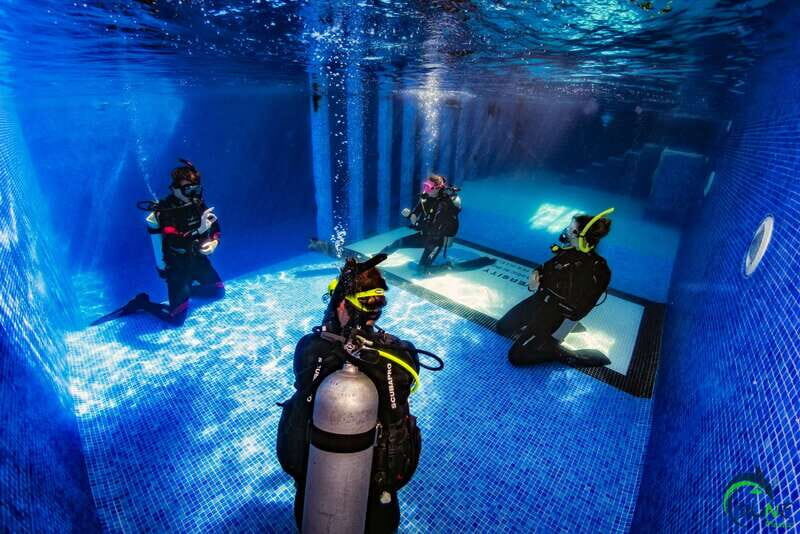
- Small group (max 8) means easier supervision while you’re still learning control and breathing basics
- Pool + supervised reef sessions so you practice skills before you go to open water
- Two open-water sessions of about 25 minutes each gives more than a quick taste
- Reef depth up to 40 feet keeps the experience focused for beginners and first-time divers
- Boat trip with snack and water makes the long morning more comfortable
- PADI credit toward future certifications helps you turn this intro into real training
Meeting Mexico Blue Dream Near NUMA Hotel
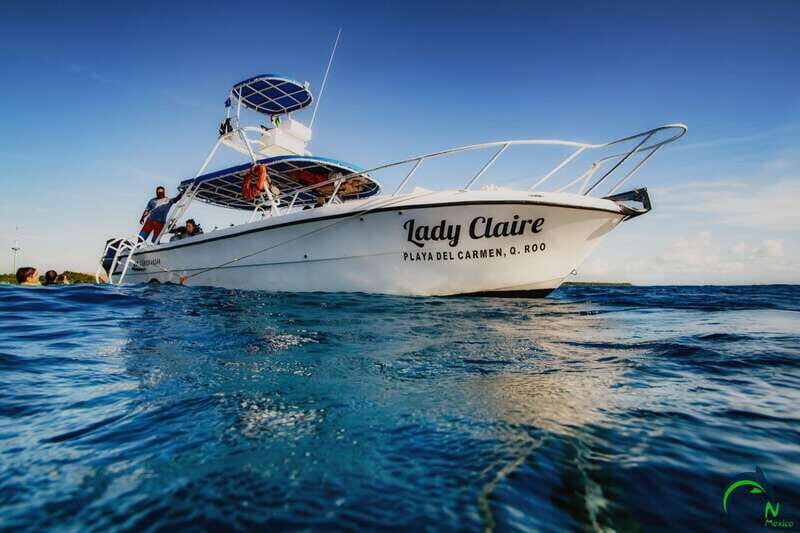
This experience starts close to Playa del Carmen’s beachfront zone, with a clear meeting point: a yellow building with a wooden door and a bell, just to the left of the NUMA hotel. If you’re early, that’s a good thing here—you can get oriented, settle your paperwork, and avoid any pre-lesson stress.
The provider is Mexico Blue Dream, and the training team runs the course with English, French, and Spanish instructors. In practice, that matters because understanding safety instructions matters, and you’ll be able to ask questions without fighting language.
You can also read our reviews of more scuba diving tours in Playa Del Carmen
Price and Value for Two Reef Sessions
At $165 per person for a 7-hour day, this is priced like a serious first-step course, not a casual intro swim. You’re not just watching a demo—you’re getting gear, guided training, pool practice, and then two reef sessions with supervised instruction.
The value is strongest if you want structure. You’ll use the learned skills on a real reef, and the day ends with a PADI Discover Scuba certificate that supports the next step toward certifications. If you’re hoping for a purely scenic boat day or a quick snorkel-style outing, you might find the training time feels more focused than you expected—but for beginners, that’s the point.
What Happens First: Gear, Forms, and a Calm Safety Setup
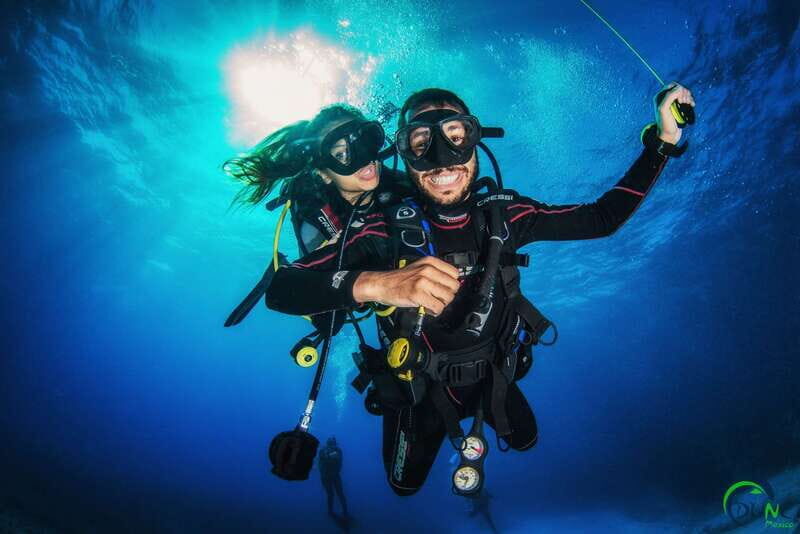
Before you even get wet, you’ll fill out required PADI forms. I like that this course is built around PADI standards, because it usually means the experience follows a safety process that you can count on.
You’ll also be asked to consider basic health requirements. This isn’t for kids under 10, pregnant women, non-swimmers, or anyone with respiratory issues. The health note isn’t just legal fine print either: diving requires a steady body and steady breathing, so respiratory and circulatory conditions can be a problem.
What to bring is simple and easy to plan around: swimwear and a towel. I’d also recommend you plan for a warm day on the water (sunscreen, hat, and water awareness), even though the included part for you on the boat is already a snack and water.
Pool Practice: Learning to Breathe Under Supervision
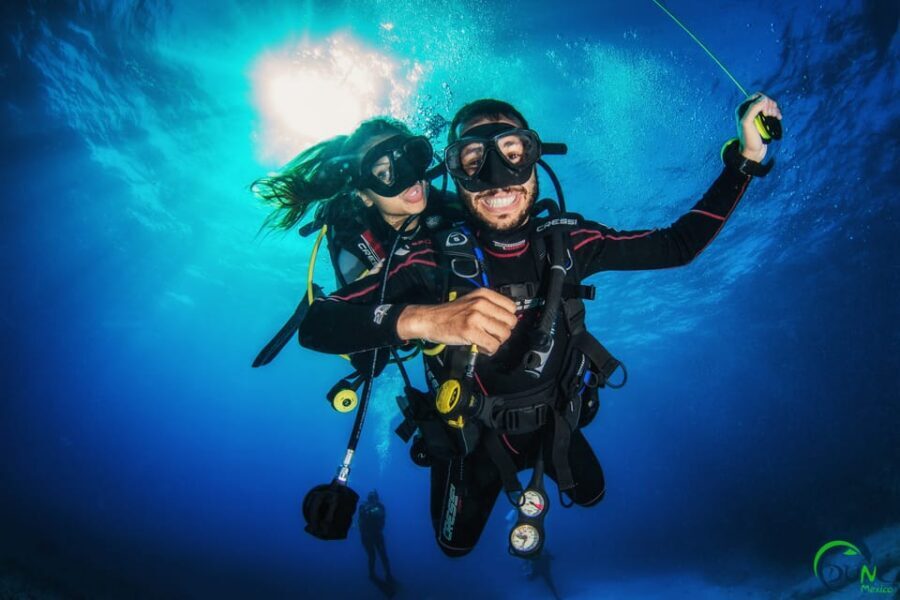
Your first training happens in shallow water with supervised introduction to scuba basics. Think of this as learning how to manage the gear, your breathing rhythm, and how to feel comfortable while still close to safety.
The structure is what I like: a pool practice session before you go out. That way, you’re not guessing underwater. If you’re the type who needs to understand equipment and basics before committing, this format fits you.
You’ll be using scuba gear that’s provided for you, so you don’t need to rent or own anything. That also reduces the usual beginner friction: new gear can be confusing, so starting with guidance makes a big difference in confidence.
Open Water Time Off Playa del Carmen, Within Beginner Limits
Once you’ve handled the basics, you take a short boat transfer and go to reef areas off Playa del Carmen. The training includes an open-water experience at a maximum depth of about 40 feet, which is a reasonable limit for first-time participants learning control and comfort.
A standout detail from the experience format is the time. You get two open-water sessions, each about 25 minutes, rather than one short taste. That extra time matters because the first minutes underwater are when nerves can peak. With two sessions, you have a chance to settle in, apply what you practiced, and then do it again with better body control.
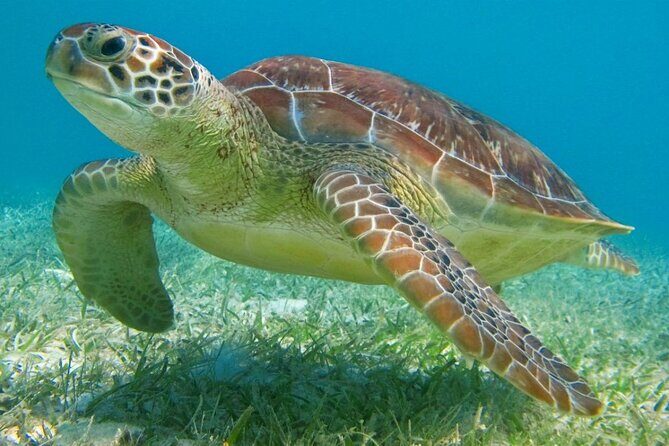
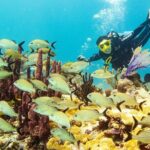
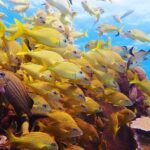
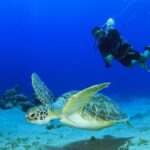
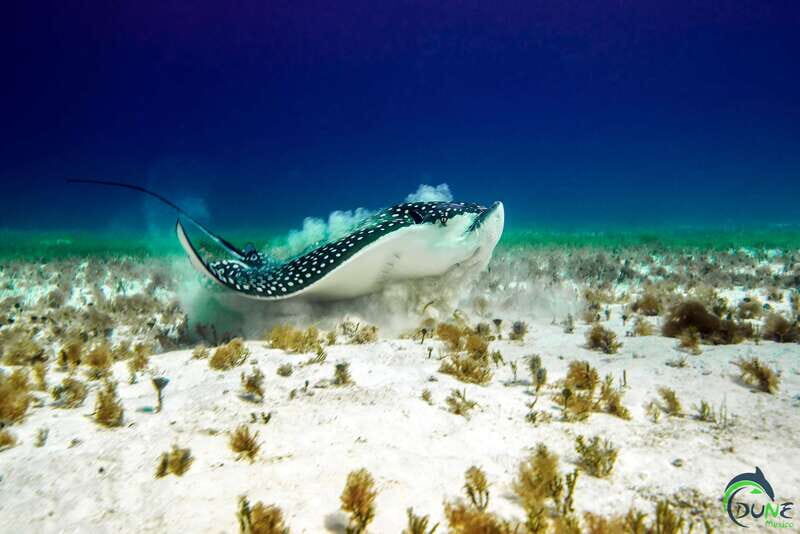
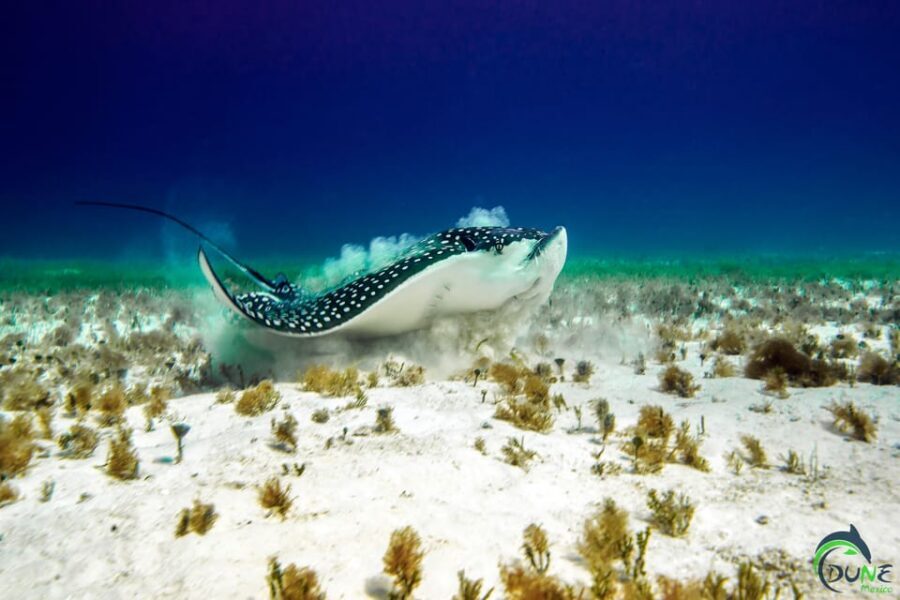
During these reef swims, you’ll encounter reef life that’s a big part of why Playa del Carmen is so popular for underwater experiences. Expect to see species like blue tangs, angel fish, and moray eels, plus reports of turtles. Some course days also include sightings such as eagle rays and puffer fish, depending on the conditions and what’s moving around that day.


The Boat Ride: Simple, Practical, and Not Rushed
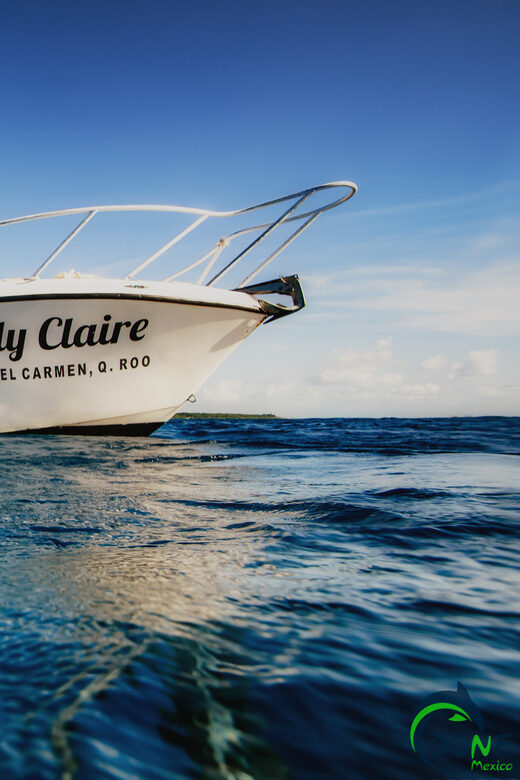
You’re not spending the whole day stuck on a long ferry ride. The day is organized so you get in training and then out to reef sites with a boat transfer. The boat setup includes snack and water, which is a small thing that helps a lot—especially when you’re spending hours in swim gear.
One practical reason I appreciate the boat timing: you get a clear progression. You’ll start with shallow learning, then you move to open water, and you’re not bouncing between tasks. That reduces decision fatigue, which is handy when you’re learning a brand-new skill.
Reef Life Details: What You’re Really Looking For
It’s easy to say you want to see coral and fish. The better goal is to know what you’ll actually be paying attention to underwater: movement, breathing, buoyancy, and slow scanning so you can spot wildlife without stressing.
Here’s what stands out in the experience description and the feedback: you’re likely to see corals and multiple fish species along the reef, including the colorful fish named earlier. In particular, turtles show up in the reported sightings, and at least one participant also mentioned an eagle ray and a puffer fish during their day.
If you’re new, don’t plan on being a photographer. You’ll spend your mental energy on staying comfortable and following your instructor. That’s where those small-group numbers help.
PADI Discover Scuba Certificate and How It Helps Later
This intro is created and certified by PADI, and you’ll receive a PADI Discover Scuba certificate at the end. The practical value is that it can count toward later training: the course says your skills can contribute toward PADI Scuba Diver and PADI Open Water Diver certifications.
I like that because it turns the day into a step, not a one-off. If you leave thinking, I want to keep learning, this structure makes it easier to jump into the next level with less repetition of basics.
Also, because it’s taught with certified instructors, you’ll get supervised practice rather than just floating around. That coaching is what helps you progress if you continue.
Safety and Instructor Attention: The Biggest Reason People Feel Good
The course is described as relaxed, safe, and beginner-focused. And the feedback pattern you’ll notice is consistent: people felt safe, felt guided, and appreciated the attention given to first-timers.
One instructor name came up in feedback: Valentin, described as competent and involved. You may have a different instructor depending on the day, but it’s a good sign when the teaching style is described as attentive and effective for beginners.
For you, that matters because learning scuba skills is as much about confidence as it is about technique. When you’re in a small group (max 8), you’re more likely to get corrections quickly—before small mistakes turn into bigger discomfort.
Who This Course Fits Best (and Who Should Skip It)
This is best if you’re:
- a first-time scuba learner who wants clear training and supervision
- a decent swimmer who’s comfortable in open water environments
- looking to get a PADI intro certificate and possibly continue toward Scuba Diver or Open Water Diver
It’s not suitable for children under 10, pregnant women, non-swimmers, or anyone with respiratory issues. Also note that you need to be in overall good health, especially for respiratory and circulatory systems.
If you’re on the fence because you don’t know your fitness limits, treat that as a real checkpoint. In water, your body has to work at a different pace, and safety standards depend on that.
Practical Tips Before You Go (So You Enjoy the Reef)
Here are the most important things you can do to make the day smoother:
- Bring swimwear and a towel (this is all the essentials that’s explicitly listed)
- Expect to fill out PADI forms before diving activities start
- Plan your day so you can follow the after-rules
The after-rule is the one that affects your travel schedule: you must not fly for a minimum of 18 hours after diving activities. If your itinerary includes a flight the same day, rethink it. Build in that buffer so you’re not forced into risky timing.
Also, if you’ve ever found pool training stressful, tell your instructor right away. You’re learning breathing and comfort skills, and the more honest you are at the start, the faster your instructor can tailor guidance.
Small Details That Can Change Your Day
One possible drawback that came up: a participant said they missed getting an underwater photo. If photos are important to you, plan for that gap. Don’t assume there will be a camera package included—at least it wasn’t mentioned in what’s listed as included.
On the positive side, the organization seems tight. Feedback highlighted that the team handled documents in advance and helped with an organized welcome, which is exactly what you want when you’re doing something new and safety matters.
Finally, keep expectations realistic. You’re learning skills, not conducting a long expedition. The win here is that you see reef life while still staying within a beginner-friendly training format.
Should You Book This Playa del Carmen Beginner Course?
I’d book it if you want a structured, beginner-first scuba introduction with pool practice, two open-water sessions, and a PADI Discover Scuba certificate that can support later training. The small group size and consistent safety-focused teaching are the biggest reasons this is a smart choice.
Skip it if you’re not comfortable swimming, if you have respiratory issues, or if your schedule includes a flight within the next 18 hours. And if you care about underwater photos, consider bringing your own solution rather than relying on the operator to provide one.
If your goal is: learn the basics, feel confident, and see real Caribbean reef animals without guesswork, this is a solid fit for your time in Quintana Roo.