REVIEW · TULUM
Discover Scuba Diving at Casa Cenote
Book on Viator →Operated by Flying Fish Tulum · Bookable on Viator
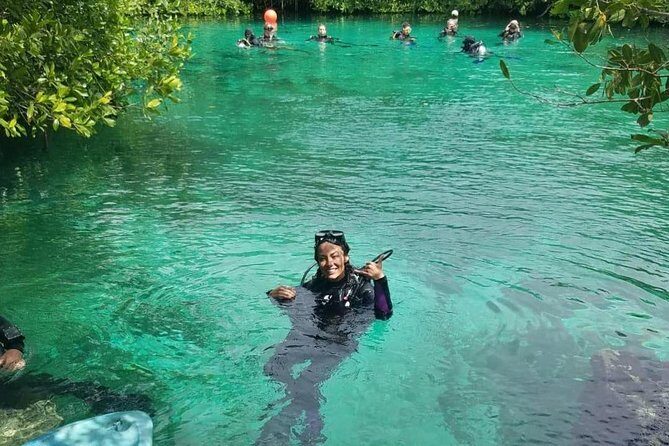
Your first underwater lesson should feel calm, not chaotic. This Discover Scuba style experience at Casa Cenote gives you the basics, the safety skills, and then guided underwater time up to 7m/21ft—all in a setting that feels open, alive, and visually stunning.
What I really liked is how smoothly the training connects to the water. The instructors keep things clear and practical, and you get hands-on help with the gear so you can focus on breathing and staying comfortable. A second highlight for me was the site itself: Casa Cenote’s mangrove surroundings and that bright, fish-filled water make the whole outing feel like more than just a lesson.
The main thing to consider is that this is a short intro, not full certification. If you’re already sure you want to keep going, you’ll likely end the day wanting to book the next step sooner rather than later.
In This Review
- Key Takeaways Before You Go
- Casa Cenote in Tulum: what the water is really like
- Your 9:00 am start at Calle Polar Pte. 36 and how the timing works
- Discover Scuba training: theory, equipment, then safety skills
- Water time up to 7m/21ft: what to expect during the guided session
- The gear experience: provided equipment and a fit you can trust
- What makes this cenote feel beginner-friendly (and not stressful)
- Price and value: is $190 worth it for a first scuba try?
- The role of Mario and Flying Fish Tulum in a calm experience
- Who should book this Casa Cenote try-scuba
- Should you book the Casa Cenote Discover Scuba program?
- FAQ
- What is the Discover Scuba program at Casa Cenote?
- Do I need scuba certification to participate?
- How deep will I go?
- How long is the tour?
- Where does the activity start?
- What time does it start?
- Is the tour offered in English?
- What’s the group size?
Key Takeaways Before You Go
- Up to 7m/21ft: enough depth to feel real scuba, without turning it into a technical day
- PADI-guided training first: basic theory and equipment intro before you hit the water
- Small group limit (12 max): you get more attention and fewer delays
- Casa Cenote’s open feel: lots of aquatic life, not just a dark, deep cave vibe
- First-time friendly by design: you can try it without certification
- English instruction available: no translation lag for the important safety parts
Casa Cenote in Tulum: what the water is really like
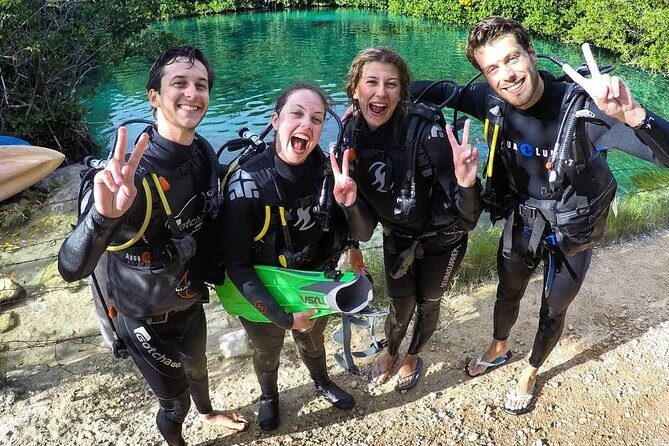
Casa Cenote sits in the Tulum area with mangroves around it, and that matters. Mangroves usually mean the water stays fresh-looking and lively—more movement, more small wildlife, more “this is an ecosystem” energy than “I’m staring at rock walls.” When you’re learning scuba basics, that kind of environment helps. You have things to look at that aren’t just about counting your breaths or checking your gauge.
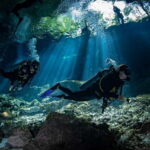
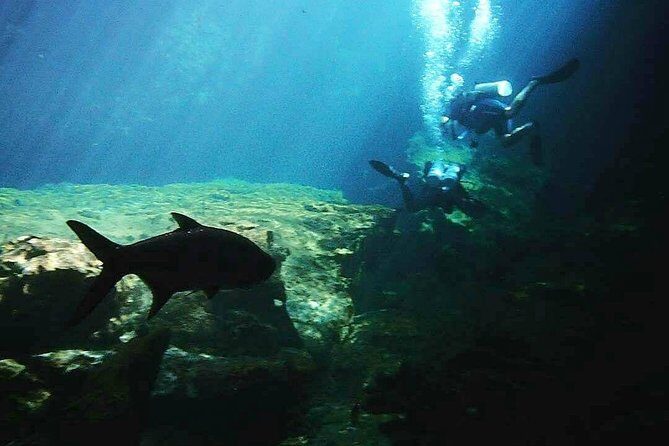
The standout from this site is the visual clarity and brightness. Expect water that can look like emerald glass, with surreal visibility. It doesn’t feel like the super-deep, cave-like cenotes some people picture. Instead, it feels open, with vibrant aquatic plants and plenty of fish life. That mix is one reason this experience works well for true beginners: you’re not dropped into a maze. You’re in a place where your attention naturally goes to the living water all around you.
And there’s a practical side to it too. A beginner’s biggest stress is uncertainty—where am I, what am I supposed to do, and how do I stay calm? A more open cenote layout gives you an easier mental map fast. You can focus on the instructor’s cues, not on figuring out the space.
You can also read our reviews of more scuba diving tours in Tulum

Your 9:00 am start at Calle Polar Pte. 36 and how the timing works
This outing runs about 4 hours total, and it starts at 9:00 am from Calle Polar Pte. 36, Tulum Centro (Centro), 77780 Tulum, Q.R., Mexico. The good part: it ends back at the meeting point, so you don’t have to plan a complex second ride.
The tour also uses a mobile ticket, which is simple if you’re traveling with your phone already set up. And it’s described as near public transportation, which is useful if you’re not renting a car.
Now, the bigger “why it matters” is the pace. A four-hour window means you’re not spending the entire day driving, waiting, and doing paperwork. That’s especially valuable if you’re short on time in Tulum or you’re based in Cancun and want a day that doesn’t sprawl.
Group size is capped at 12 travelers. In practice, that usually translates to fewer logistics bottlenecks when people are getting fitted or going over safety steps. The instructor can slow down for first-timers without turning it into a lecture for everyone.
Discover Scuba training: theory, equipment, then safety skills
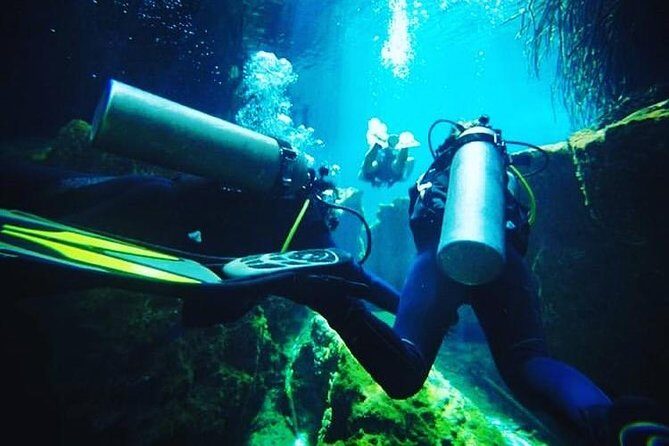
This is built for people who aren’t certified. You get the chance to try scuba with close guidance from a PADI Instructor, and the day starts with training before you ever go underwater.
Here’s what that usually means for you as a first-timer:
- You start with basic theory—the key ideas you need so things make sense once you’re in the water.
- Then comes an equipment introduction so you know what each piece does and how it fits into breathing and buoyancy.
- Finally, you practice safety skills before the real underwater portion.
The biggest value here isn’t just learning the steps. It’s building confidence. When you understand why you’re doing something—especially when it’s tied to safety—you react better under pressure. That matters even when conditions feel calm.
Also, beginner training is where instructors earn their keep. A great instructor doesn’t just list rules. They make sure you can actually carry them out. The coaching tone matters too. In the guidance I saw emphasized, Mario is described as patient and professional, with a clear teaching style. For first-timers, that blend is gold: you want detailed instructions, but not a sleepy classroom vibe.
If you’ve wondered whether you’ll like scuba enough to commit to open-water certification later, this format is ideal. It acts like a reality check, not a sales pitch.
Water time up to 7m/21ft: what to expect during the guided session
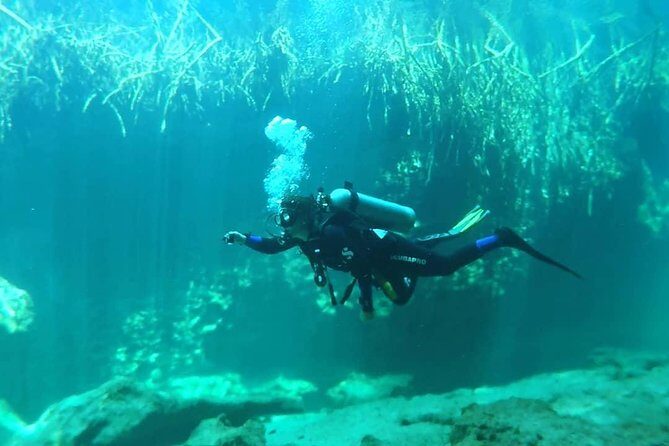
After training, you head to Casa Cenote and you take the plunge into the fun part: an underwater session up to around 7 meters / 21 feet.
That depth range is meaningful. It’s shallow enough that many first-timers can relax with good instruction, but deep enough to feel like you’re no longer just testing equipment at the surface. It’s a sweet spot for learning how breathing changes under water, how your body adjusts, and how buoyancy feels once you’re stable.
Since the site is surrounded by mangroves, you’ll be underwater in an environment with natural structure and life. The fish-and-plants vibe isn’t just pretty. It gives your brain an easy job—watching wildlife and water movement—so you stay engaged instead of spiraling into nerves.
What I’d focus on, as you go down:
- Listen for instructor cues and don’t try to multitask.
- Treat your breathing as the anchor. When breathing is steady, everything else feels easier.
- Stay aware of buoyancy. The calmer you are with your position, the more you can enjoy the view.
And here’s an important mindset shift: this isn’t a performance. The goal is a safe, guided first experience where you leave knowing what scuba feels like. If you do well and want more, you’ll have that obvious next step waiting. If you don’t love it as much as you hoped, you still walk away with clarity instead of guessing.
The gear experience: provided equipment and a fit you can trust
You’ll use provided scuba equipment. For a first-timer, that’s a big relief because the “what do I need?” question is handled for you.
But gear isn’t just about having it. It’s about whether it’s in good condition and whether it fits well. Based on the standout feedback for this outing, the gear here is in great condition, and the training includes getting you comfortable with it during the safety steps. That matters because a poor-fitting setup can turn a beginner experience stressful fast.
What should you do to make the fit go smoothly?
- Be ready for adjustments. Listen to the instructor and don’t fight the process.
- Speak up if something feels off. Early discomfort is fixable; ignoring it usually isn’t.
- Keep your expectations realistic. A first-time gear setup can feel strange for a few minutes, even if everything is correct.
The teaching style described by guests—detailed, patient, and genuinely kind—also matters because it reduces that awkward beginner uncertainty. If you feel comfortable asking questions on land, you’re more likely to stay calm underwater.
- Selva Maya Eco Adventure Park: Ziplining, Hanging Bridges, Rappelling and Cenote
★ 5.0 · 1,057 reviews



What makes this cenote feel beginner-friendly (and not stressful)
Many people picture cenotes as dramatic, dark, and cave-like. Casa Cenote is different in feel. It’s more open and full of life. That shift changes your whole experience.
When the space feels open:
- You usually get less of that claustrophobic anxiety.
- You can orient quickly.
- The instructor’s demonstrations feel easier to follow because your view isn’t blocked by darkness or tight rock walls.
This kind of environment helps you focus on the basics. And it makes the experience feel like exploration, not like a test.
Also, because this is structured for non-certified participants, the day is naturally set up around safety and confidence building. You’re not expected to know anything already. That’s the point.
Price and value: is $190 worth it for a first scuba try?
At $190 per person for about 4 hours, you’re paying for three things: instruction, safety coaching, and guided underwater time to 21 feet. You’re also getting the equipment.
So the value question is simple: does it help you make a decision? If you’re curious about scuba but not sure you’ll commit to open-water certification, this intro format is a smart use of money. It costs less than a full certification path and gives you real feedback from the water, not just opinions.
If you already know you want certification, the best value may come from doing this only if it motivates you. Otherwise, you might choose to go straight to open water. The upside of doing the try-first approach is that you can confirm your comfort level quickly.
And the other value signal is the quality of instruction. This experience has 28 reviews averaging 5/5, with a strong recommendation rate. When people consistently highlight safety training and gear condition, that usually means your money is going toward doing the important parts well—not just renting equipment and wishing you luck.
The role of Mario and Flying Fish Tulum in a calm experience
An often-overlooked detail in travel activities is how the staff handles the first moments. For first-time scuba, that first impression can make or break the day.
In feedback tied to this experience, Mario is repeatedly described as patient and professional—detailed without being dull, and focused on training and safety. That’s exactly what you want when you’re learning something physical and technical. You need structure, but you also need reassurance.
Flying Fish Tulum is the provider name attached to the experience. If you’re planning your day in Tulum, it also helps that the shop is described as easy to work with and not a tourist trap. That kind of straightforward setup can matter when you’re trying to coordinate time, transportation, and gear without adding stress.
Who should book this Casa Cenote try-scuba
This experience is a strong fit if:
- You’re not certified and want to experience scuba with safety training.
- You want a short, well-guided day that doesn’t swallow your whole vacation.
- You’re comfortable with a moderate physical activity level, since the experience notes a moderate physical fitness requirement.
- You want English instruction.
It may be less suitable if:
- You expect a deep, long, advanced underwater experience. This is an intro with a controlled depth target.
- You want something that feels more like independent exploration. This is guided training with close instructor oversight.
If you’re traveling with a small crew—remember the max is 12—you also tend to get a more personal experience than the big cattle-cart format.
And one more practical point: the experience allows service animals, which is helpful for travelers who need that accommodation.
Should you book the Casa Cenote Discover Scuba program?
If you want to try scuba without committing to certification right away, this is one of the more sensible ways to do it. You’ll get a structured training setup, expert instructor guidance, gear provided, and underwater time up to about 21 feet in a cenote that feels open and alive.
I’d book it if you’re on a tight schedule, you’re a true beginner, or you want a clear answer about whether scuba is your thing. I’d hesitate only if you’re chasing a long, advanced underwater adventure. For that, you’ll want a longer certification-focused path instead.
FAQ
What is the Discover Scuba program at Casa Cenote?
It’s a guided try-scuba experience designed for people who are not certified yet, with training and a supervised underwater session at Casa Cenote.
Do I need scuba certification to participate?
No. This experience is specifically set up so you can try it without getting certified.
How deep will I go?
The underwater session is described as going to around 7 meters / 21 feet.
How long is the tour?
It lasts about 4 hours (approx.).
Where does the activity start?
The meeting point is Calle Polar Pte. 36, Tulum Centro, Centro, 77780 Tulum, Q.R., Mexico.
What time does it start?
Start time is 9:00 am.
Is the tour offered in English?
Yes, it’s offered in English.
What’s the group size?
The experience has a maximum of 12 travelers.
You Might Also Enjoy
More Scuba Diving Tours in Tulum
More Tour Reviews in Tulum
- Selva Maya Eco Adventure Park: Ziplining, Hanging Bridges, Rappelling and Cenote
★ 5.0 · 1,057 reviews