REVIEW · TULUM
2 dives in Cenote Dos ojos Certified Divers
Book on Viator →Operated by Agua Clara Diving Tulum · Bookable on Viator
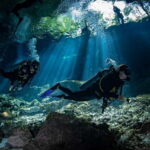
Cenotes feel like stepping into another world. What I like most is small-group attention (max four people) and the way the guides help you dial in the right gear and buoyancy before you start. The second big win: you get two different cenote locations in one smooth 5-hour outing, with a break for snacks and food between sessions. One thing to consider: you’ll need proof of your scuba certification, and the cenote entrance fees are extra.
This is a practical setup if you want an organized, low-stress day. You start at 8:30 am from Agua Clara Diving Tulum, equipment and transport from the meeting point are included, and the tour is offered in English with a mobile ticket. If you’re staying in Tulum proper, you won’t lose time on hotel pickup that you can skip—just go to the meeting spot and you’re rolling.
In This Review
- Key highlights worth caring about
- Why this Cenote combo feels special in real life
- Your 5-hour schedule: from 8:30 am meet-up to two underwater sessions
- Stop 1: Cenote Dos Ojos and what to expect underground
- Stop 2: Agua Clara pairing and how Casa Cenote or Gran Cenote may fit you
- Equipment is the quiet hero of a good cenote day
- Transport, lunch, and the “small-group” difference you’ll feel
- Price and value: what $200 includes (and what to budget for)
- Who should book this Cenote scuba tour?
- Should you book? My practical recommendation
- FAQ
- What time does the tour start?
- Where do I meet for the activity?
- How long is the experience?
- Is hotel pickup included?
- What is included in the $200 per person price?
- Are cenote entrance fees included?
- Do I need scuba certification proof?
- How big is the group?
- What if I’m the only person on the tour?
- What is the cancellation policy?
Key highlights worth caring about
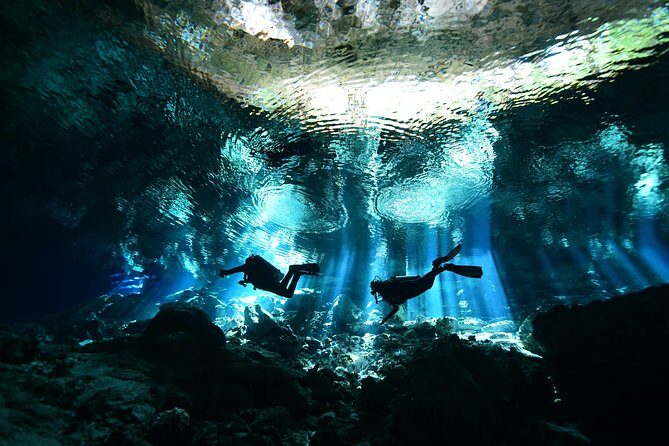
- Max 4-person group means you get coaching instead of crowd management
- Two cenotes in one day: you can compare rock formations, light, and space between stops
- Gear included, and the guides focus on comfort and buoyancy before you go deeper/longer
- Cenote entrance fees not included, but your guide can steer your exact combo (cost can vary)
- Snack + beverages + lunch break keeps the day from feeling like a sprint
Why this Cenote combo feels special in real life
If you’re picturing Tulum cenotes as just “pretty water,” this tour nudges you into the underground world in a more controlled way. You’re not wandering on your own, and you’re not stuck with a huge group. The small size matters. In tight cave spaces, you want fewer people in the water and more time for one-on-one check-ins—especially around equipment and breathing.
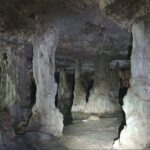
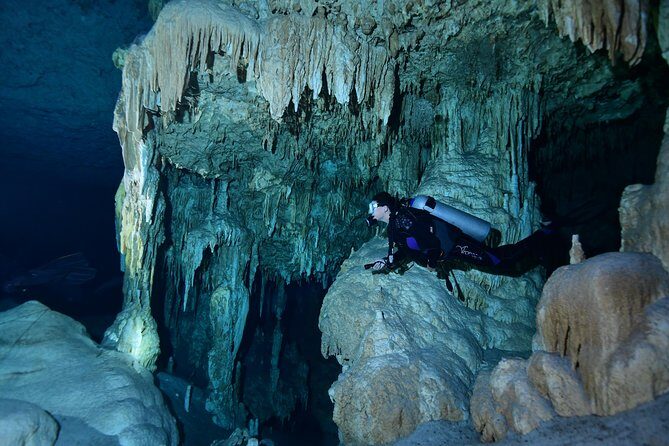
The other reason it works is the pairing of locations. Dos Ojos has a reputation for being visually dramatic, with stalactites, stalagmites, columns, and those classic stalactite-stalagmite formations that look different once you’re below the surface. Then you move on to a second cenote option (often Casa Cenote or Gran Cenote depending on what fits your comfort level and preferences). That contrast is where the day clicks: you’re not doing the same postcard twice.
Finally, the tour is honest about what drives timing. Each underwater session is about 40–45 minutes, but real-world factors change the schedule. That flexibility is useful, because cenotes run on water conditions, group pace, and how everyone is feeling in the equipment.
You can also read our reviews of more tours and experiences in Tulum.

Your 5-hour schedule: from 8:30 am meet-up to two underwater sessions
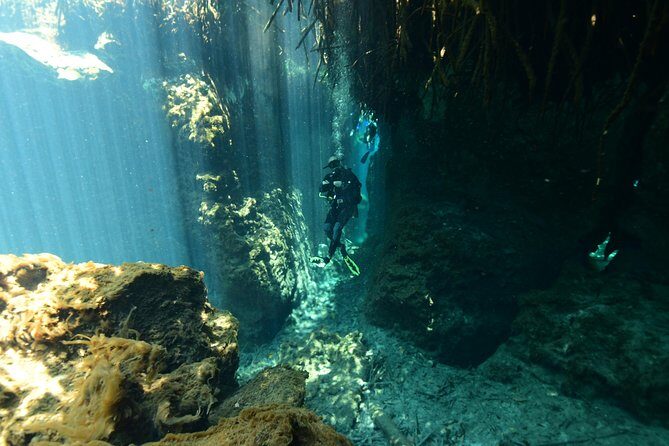
This is an early start with a clear rhythm. You meet at 8:30 am at the Agua Clara Diving Tulum address on Carretera Tulum–Boca aila km 5 (near Hotel Zamas). The big convenience here is that transport from the central meeting point is included—but there’s no hotel pickup or drop-off.
Here’s how the day typically flows:
1) Go over equipment first
You start with a gear check and setup. The emphasis is on getting everything right before you enter the water. One recurring point from real experiences: when buoyancy and breathing feel stable, the whole outing feels calmer.
2) Briefing, then first cenote
Once you arrive, you get a briefing and then gear up again if needed for that specific spot. From there, you’ll head into the first location with around 40–45 minutes underwater.
3) Snack break and food in the middle
After the first session, there’s a pause for snacks, refreshments, and lunch. The timing depends on what time you want to eat, but this break is a big deal. It helps you reset before the second location—especially if you’re a newer scuba participant.
4) Second cenote session
You continue to your second stop once you’re ready. The same “get comfortable, then go” approach matters here too, because the second location is when you’ll likely notice what the guide pointed out during the briefing—formations, light angles, and how the cave space changes from spot to spot.
If you hate unpredictable days, this isn’t the worst kind. You still have a solid structure, but you’re not locked into a rigid minute-by-minute schedule once you’re underwater.
Stop 1: Cenote Dos Ojos and what to expect underground
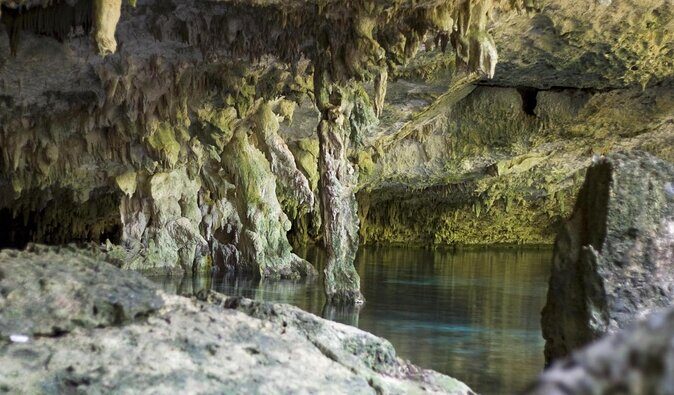
Cenote Dos Ojos is the headliner, and it’s easy to see why. Expect a cave/cavern-style environment with plenty of rock features: stalagmites, stalactites, columns, and those layered mineral shapes that can look almost unreal from underwater.
Dos Ojos also tends to be where new comfort lessons show up. Several guides are praised for being patient with the basics—especially balance and breathing control. If you’ve practiced your skills elsewhere, this still can feel different under limestone ceilings and within moving light.
What to pay attention to while you’re down there:
- Your buoyancy comfort early in the session
The guides focus on getting you “right” with your gear first, which helps keep you calm.
- How formations look from below
Stalactites and columns can create a different sense of scale than what you see at the surface.
- Camera planning
One useful tip that came up: save your camera battery, because the most photogenic moments often arrive near the end of the second session when you’re finally settling in.
The tour runs Dos Ojos as the first stop, so you get the most visually dramatic start and then you compare that with the second location later.
Stop 2: Agua Clara pairing and how Casa Cenote or Gran Cenote may fit you
The second stop is handled through the Agua Clara Diving pairing system, which can shift based on what suits your skill level and preferences. The tour information also flags that certain cenote combinations can cost $10 USD more because entrance fees change between cenotes.
In other words: the second location isn’t just a random add-on. It’s part of a matching process.
Here are the practical ways that affects your day:
- If you want a more controlled experience, your guide may choose a second cenote that better fits your comfort level.
- If you’re chasing variety in formations and space, the pairing approach helps you see different underground styles.
- Because entrance fees can vary, your final total may be slightly higher than the headline price once you’re on the day’s exact route.
One reason this matters for value: entrance fees aren’t included in the tour price. So even if you find two people paying the same base cost, their cenote combos can differ a bit, and the extra entrance portion can change.
Equipment is the quiet hero of a good cenote day
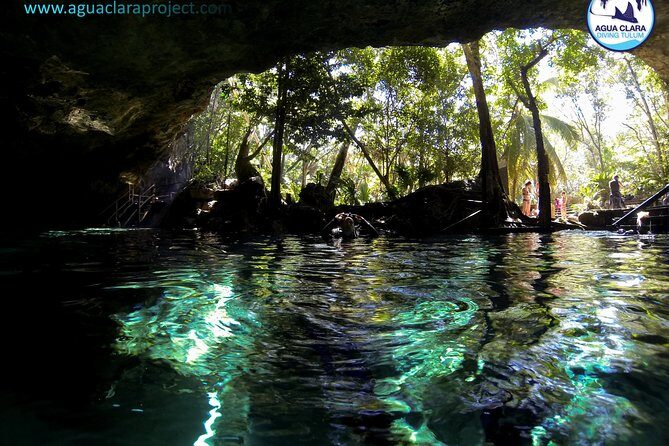
For underwater cave settings, gear isn’t a side detail. It’s the difference between “this is awesome” and “why am I struggling.”
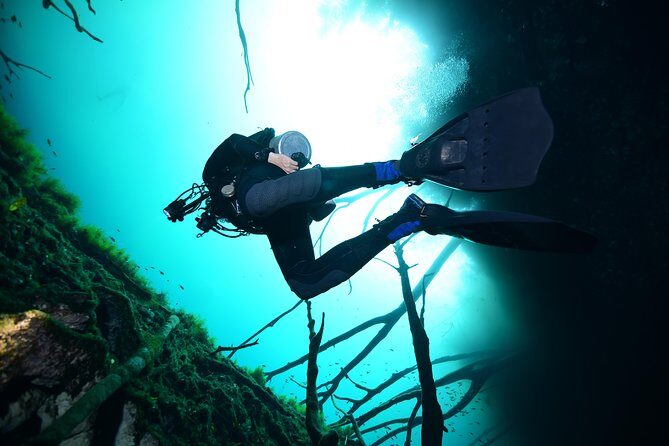
This tour includes the necessary equipment, and the guides put real emphasis on trying everything and getting the correct fit. That’s not just about convenience. It’s about reducing stress fast—especially if you’re still building confidence with weighting, breathing, and movement underwater.
From real experiences, the most praised guide behaviors look like this:
- Patient help getting buoyancy comfortable
- Extra checks for balance and breathing signals
- Confidence-building refresher coaching before you go deeper into the experience
If you’re bringing your own camera setup or accessories, remember you’re operating in a cave environment where battery life can get consumed faster than you expect. Keep it simple, and don’t assume you’ll get to take endless photos at the perfect moment.
One comfort note that comes straight from practical advice: bring long-sleeve wet suit or consider getting one if you’re prone to getting bitten. Mosquitoes can be intense around cenotes, and the best time to avoid discomfort is before it hits.
- Selva Maya Eco Adventure Park: Ziplining, Hanging Bridges, Rappelling and Cenote
★ 5.0 · 1,057 reviews
Transport, lunch, and the “small-group” difference you’ll feel
The tour is designed around a straightforward meeting point, then moving as a unit between cenotes. Transport from the central meeting point in Tulum is included, and the tour ends back there. No hotel pickup or drop-off means you’ll want to plan your morning transit to arrive on time.
The included snacks, beverages, and lunch break do more than feed you. They keep your brain fresh for the second session, which is when many people start thinking about how the day compares to the first stop.
And then there’s the part you can feel quickly once you’re in it: small-group pacing. The tour caps at four travelers, and that typically changes everything:
- You hear instructions clearly
- You spend less time waiting around
- Your guide can notice if something feels off with your breathing or weight
It also helps that the guides are frequently described as attentive and patient. Names you may hear include Julio, Alberto, Leo, Marcello, Luke, and Adiel—each credited for helping participants feel safe and supported.
Price and value: what $200 includes (and what to budget for)
At $200 per person, this isn’t a bargain price—but it’s also not priced like a luxury private yacht day. The value comes from what’s included and what you avoid paying separately.
What your money covers:
- Taxes, fees, and handling charges (so fewer surprises at checkout)
- All necessary equipment
- Transport from the central meeting point
- Snacks, beverages, and lunch
- A professional guide
- A mobile ticket and an English-speaking guide
What you should budget for separately:
- Cenote entrance fee (not included)
- Hotel pickup/drop-off (not included)
- Possible extra $10 USD for some cenote combinations due to entrance fee changes
So the “real” value question becomes: will your selected cenote pairing match what you want to experience, and will you appreciate the small-group attention? If yes, the package makes sense. If you’re only there for the surface and don’t care about guided coaching, you might question the cost.
One more detail that affects value: if there’s only one diver going out, you can still go, but there’s a $15 USD extra charge. That’s helpful to know if you’re a solo traveler trying to avoid being turned into a group-only lottery.
Who should book this Cenote scuba tour?
This is a strong choice if you:
- Have scuba certification proof and want a guided cenote experience
- Like small groups and prefer active coaching over passive instruction
- Want to see two cenote environments in one day without complicated logistics
- Are comfortable with moderate physical fitness expectations (the tour calls for moderate fitness)
It can be a less ideal choice if:
- You don’t have certification proof and can’t meet that requirement
- You need hotel pickup
- You’re highly sensitive to bugs and don’t plan for insect protection
- You’re allergic to the idea of additional entrance fees on top of the base price
One interesting fit factor: this tour is repeatedly described as a safe, confidence-building day for people who were new-ish to real cenote conditions. The guides who are praised tend to focus on patience and helping you get stable with your setup.
Should you book? My practical recommendation
Book it if you want a structured, small-group day that prioritizes gear fit, safety coaching, and two different cenote experiences. The combination of max four people, equipment included, and transport plus food makes the day feel efficient and human-scaled.
Skip or rethink it if entrance fees would be a headache for your budget, or if you don’t already have scuba certification proof. Also, consider packing for mosquito protection and long sleeves—because “wet suit or long sleeves” isn’t a luxury here, it’s practical.
If you can handle those basics, this is the kind of Tulum activity that tends to stay with you: not just for the photos, but for how calm and guided the underwater experience feels when someone helps you get comfortable early.
FAQ
What time does the tour start?
The tour starts at 8:30 am.
Where do I meet for the activity?
You meet at Agua Clara Diving Tulum, Carretera Tulum–Boca aila km 5 (near Hotel Zamas), Tulum, Q.R., Mexico. The tour ends back at the meeting point.
How long is the experience?
It runs about 5 hours (approximately).
Is hotel pickup included?
No. Hotel pickup and drop-off are not included.
What is included in the $200 per person price?
The price includes taxes and fees, necessary equipment, transport from the central meeting point in Tulum, snacks, beverages, and a professional guide.
Are cenote entrance fees included?
No. Cenote entrance fees are not included.
Do I need scuba certification proof?
Yes. Evidence of scuba certification is required for all divers/scuba participants.
How big is the group?
This is a small-group tour limited to a maximum of 4 travelers.
What if I’m the only person on the tour?
If you’re the only scuba participant going out on a tour, you can still go, but there is a $15 USD extra charge.
What is the cancellation policy?
You can cancel for a full refund up to 24 hours before the experience start time. If you cancel within 24 hours, the amount paid isn’t refunded.
You Might Also Enjoy
More Tour Reviews in Tulum
- Selva Maya Eco Adventure Park: Ziplining, Hanging Bridges, Rappelling and Cenote
★ 5.0 · 1,057 reviews