REVIEW · COZUMEL
Scuba Diving in Cozumel Island
Book on Viator →Operated by Be Diving Scuba Academy · Bookable on Viator
Cozumel has a way of making time slow down. This small-group scuba day gives you two reef visits, lots of time on the water, and a long snack break between sessions. I like the tight group limits—max four people per guide/instructor—because you actually get real attention. I also like that there’s a built-in way to extend your Cozumel day thanks to an open-ended ferry ticket. One thing to think about: scuba equipment use isn’t included in the price, so you’ll want to budget for rentals (and for non-certified swimmers there’s an extra fee).
The whole day runs about 9 hours, with a 45-minute boat ride to the first reef spot and a return around 3:30 PM to Fonatur. In my view, the value hinges on two things: you’re paying for a calmer, more personal day at sea, and you’re getting an extra stretch of island time for free via the ferry ticket.
In This Review
- Key highlights I’d plan around
- Why Cozumel’s reef time is a good use of a vacation day
- Getting from your hotel area to the marina (and why the timing helps)
- The first underwater window: instructions, max time, and what to expect
- The long snack break between reef stops is part of the deal
- The second reef stop: make it count (and manage your energy)
- Boat comfort: two levels, water onboard, and rain-friendly space
- How the ferry ticket can turn one day into a real island visit
- Price and value: what $220 buys you (and what to budget extra)
- Who this scuba session day is best for
- Practical tips before you go (so your day runs smooth)
- Should you book this Cozumel scuba session?
- FAQ
- How long is the Cozumel scuba session day?
- What’s included in the $220 price?
- Is scuba equipment included?
- What if I’m not certified for scuba?
- How many people are in each guided group?
- Is Nitrox available?
- What happens if weather cancels the experience?
Key highlights I’d plan around
- Second-largest reef in the world: Cozumel sits right on top of the action, so your time underwater is the point.
- Small groups (4 per guide/instructor): Faster help, more safety checks, and better spotting.
- A long break between reef stops: Minimum 1 hour with snacks, so you’re not rushing.
- Boat comfort matters: Two levels, water onboard, and covered space if it rains.
- Nitrox available for an extra cost: Useful if you plan your air/time more carefully.
- Open-ended ferry ticket: You can shape the day and squeeze in more Cozumel time after the boat returns.
Why Cozumel’s reef time is a good use of a vacation day
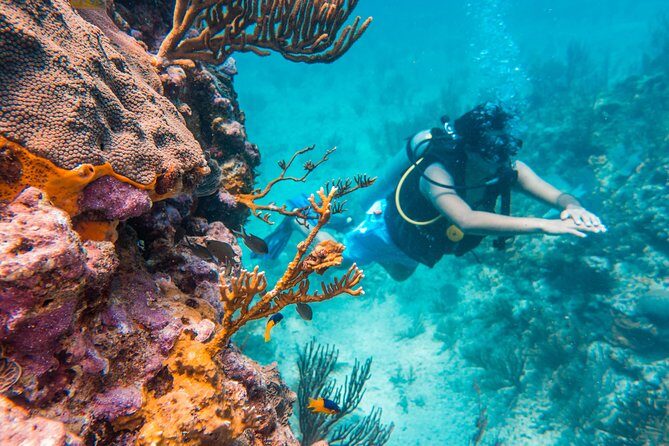
Cozumel is famous for reef scenery, but what I love about this kind of day is the pacing. You’re not just jumping in and out. You start with a short moving intro—paperwork, gear setup, then a boat ride where you get instructions while you watch the coast pass by. That matters because by the time you’re on the first reef spot, you’re already oriented.
The day is built around two underwater windows, each capped at up to 60 minutes. That gives you enough time to enjoy what you came for—coral and fish life—without feeling like you’re on a tight countdown for the whole trip. Then there’s a minimum 1-hour surface interval with snacks. In practice, that break is where the whole day clicks. You cool down, hydrate, reset mentally, and get ready for the second reef stop without feeling frazzled.
And if you care about comfort, the boat layout is designed for real waiting time: two levels and covered space in case of rain. That’s a small detail, but it’s exactly the kind of thing that changes how the day feels when the weather does what it wants.
You can also read our reviews of more scuba diving tours in Cozumel
Getting from your hotel area to the marina (and why the timing helps)
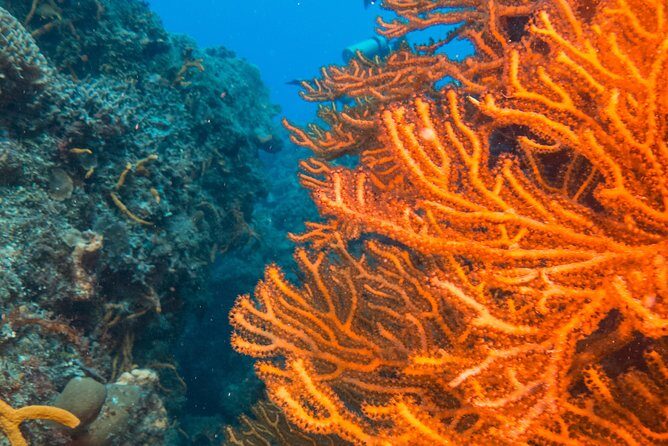
Your day starts at the scuba shop in Cozumel (address: Calle Miguel Hidalgo Gral Felipe Angeles 35, Col. Centro, 77600 Cozumel, Q.R., Mexico). After paperwork and gear prep, you head to the marina. The trip to the first reef spot takes about 45 minutes.
During that ride, you’ll get the diving instructions and you can take in the coast views while onboard. I like this setup because it reduces the “standing around nervous” time. You’re moving, you’re learning, and you’re not guessing what happens next.
One practical thing: the operator says it’s very important to let them know your gear sizes in advance. That usually means things like suit/boot/BCD fit details. If you show up without that, you might lose time—or end up with gear that doesn’t feel right. If you’re booking, do yourself a favor and send your sizes early.
The first underwater window: instructions, max time, and what to expect
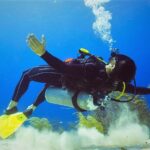
Once you arrive at the first reef spot, the group goes through the on-site steps—final checks, setup, and then you’re in the water. The schedule caps each session at up to 60 minutes. That limit helps keep the day safe and keeps the timing consistent for the whole operation.
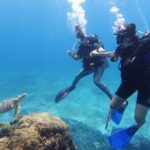
You’ll also be working with a guided setup where the groups are kept small: maximum of four people per guide/instructor. That’s the big difference-maker for most people. In a small group, you’re more likely to get clear, personal cueing (for buoyancy, hand signals, what to watch for, and when to watch your air).
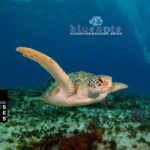
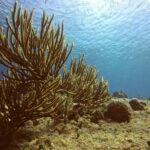
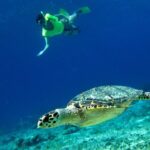
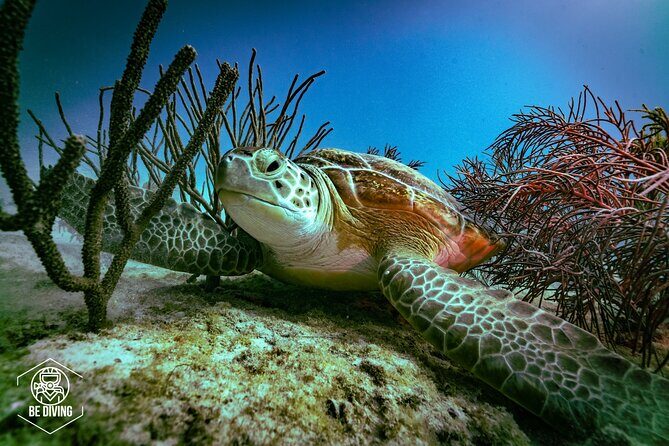
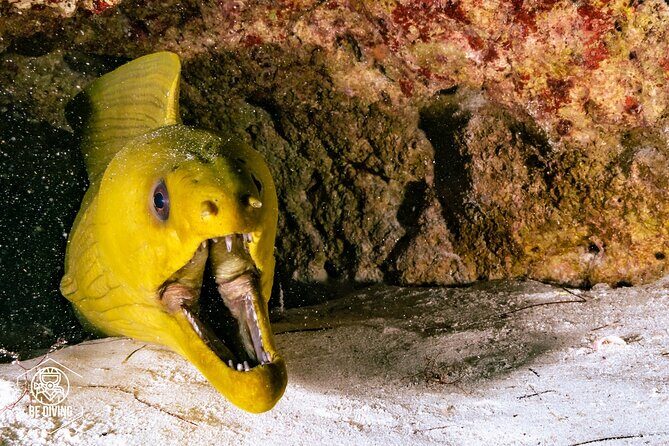
What you’ll see depends on conditions, but Cozumel is known for marine life—so plan for turtles, rays, sharks (when conditions allow), and lots of coral and colorful fish. In the feedback I’ve seen, people repeatedly come away talking about turtles and rays, along with the reef itself.
The long snack break between reef stops is part of the deal
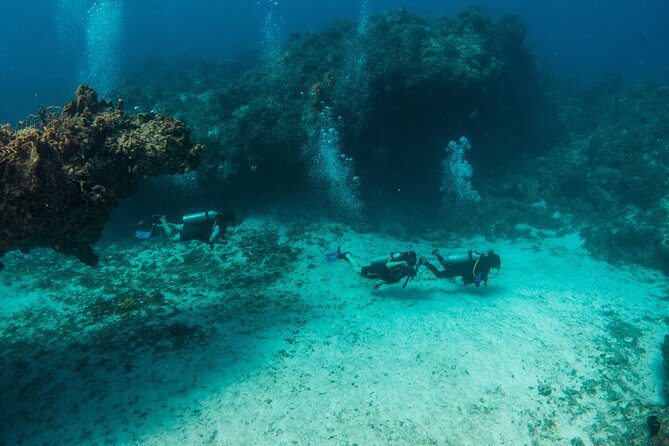
After the first underwater window, you get a minimum 1-hour interval before the second session. This isn’t “wait around” time. The boat is set up for comfort and you’ll have snacks plus water onboard.
I appreciate this break because it protects the quality of the second session. If you rush straight from one underwater period into the next, people get tired and oxygen planning gets sloppy. Here, you have time to calm your breathing, refill water, and settle back in.
You’ll also have a covered area on the boat if rain shows up. That’s useful because coastal weather can shift fast. Being able to step out of wind or drizzle without leaving the group is a simple quality-of-life win.
The second reef stop: make it count (and manage your energy)
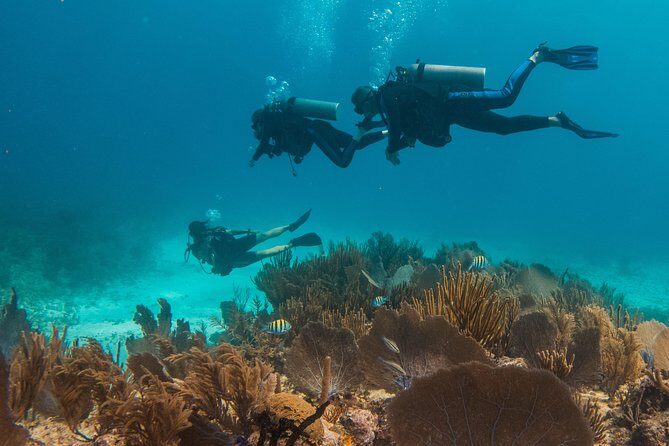
The second session is the one where you can fully relax. By then, your buoyancy and gear feel more natural, and you know what the day rhythm is like. You’ll again be limited to a maximum of 60 minutes, which is plenty if you manage your air well and stay aware of your depth.
This is also where I think small-group attention pays off again. With four people per instructor, it’s easier to keep an eye on everyone’s comfort level and help you adjust if you’re not perfectly neutral. That’s a big deal for new or returning scuba participants who just want to enjoy the reef without overthinking.
Nitrox is an option at extra cost. If you’ve been using Nitrox before, ask ahead of time whether it’s available for your dates and what the upcharge is. If you haven’t used it, you can still enjoy the day on standard tanks—but Nitrox can be useful if your plan is to maximize time underwater within the safety framework you’re following.


Boat comfort: two levels, water onboard, and rain-friendly space
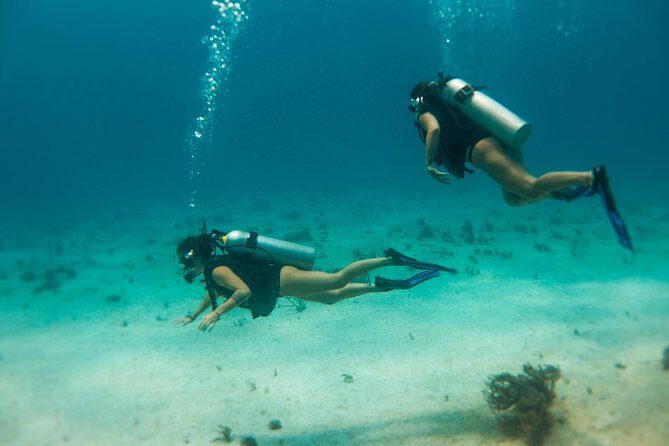
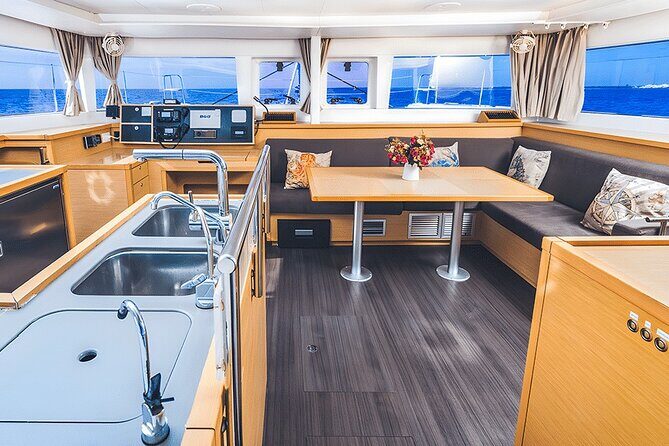
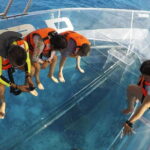
You’re on the boat for most of the day, so the details matter. This operator’s boat has two levels, water available onboard, and covered areas if it rains. That means you can choose your vibe: sit upstairs for views, or stay sheltered when the weather gets moody.
Also, because there’s a longer snack break between sessions, your comfort during surface time affects the whole experience. I’ve seen plenty of tours where the “break” feels like standing in the wind and sun. Here, you’re not stuck in that situation.
How the ferry ticket can turn one day into a real island visit
One of the best perks is the open-ended ferry ticket that lets you extend your time on Cozumel. Your boat returns around 3:30 PM to Fonatur, and then you head back to the pier by taxi. The return schedule is optional because the ferry ticket is flexible.
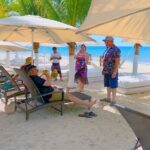
In real-life terms, this means you’re not forced into an immediate “drop everything and leave” moment. If you want to eat something good on the island, wander a bit, or squeeze in a beach chair hour, you can often do it.
Just plan your time with your ferry in mind. The tour ends back at the meeting point, but your day doesn’t have to. That flexibility is one of those underrated benefits that makes the $220 feel more like a full-day outing than a rushed half-day.
Price and value: what $220 buys you (and what to budget extra)
The listed price is $220 per person for an approximately 9-hour day. Included: brunch plus all fees and taxes. Not included: the use of scuba equipment, and for non-certified participants there’s an extra $40 USD per person.
Here’s how I’d think about value:
- You’re paying for the structure: two reef visits, guided attention, and a real surface interval with snacks and water.
- You’re also paying for the small-group model (max four per guide/instructor). That’s not “nice to have.” It directly affects your stress level and your ability to enjoy the reef.
- What can change your final cost: equipment rental and Nitrox (if you choose it), plus the non-certified fee if you’re not already signed off.
If you’re certified and you’re comfortable renting gear locally, this price can feel reasonable for a full day with two planned reef sessions and an extra ferry buffer. If you’re not certified, expect the total to be higher—but you’re still getting a guided day built around safety and time in the water.
Who this scuba session day is best for
This trip is marked for travelers with moderate physical fitness. That’s a sensible range. You’re getting time on a boat, moving around for gear prep, and spending time underwater with standard scuba demands. If you can handle boat motion and you’re willing to follow instructions, you’ll likely be fine.
It’s also a strong match if you like a calmer group size. The max four-per-guide setup tends to help people who want hands-on help, whether you’re a returning scuba participant or you’re still gaining confidence.
If you’re the type who loves the reef but hates crowds, you’ll probably appreciate the smaller operation. In the feedback I’ve seen reflected in the team style, instructors like Jon, Sandy, Tati, and Jow get singled out for patient, careful guidance and practical safety focus—exactly what you want when your main goal is to enjoy the underwater world without drama.
Practical tips before you go (so your day runs smooth)
- Send your gear sizes in advance. The operator makes a point of this, and it’s worth doing early.
- If you’re considering Nitrox, ask at booking time. It’s available at extra cost, so you’ll want clarity on timing and pricing.
- Plan for sun and salt air. Even with covered areas, you’ll be outside on the way to and between reef spots.
- If you’re not certified, budget the $40 extra and make sure you understand the day’s flow for training or prerequisite steps.
- Pack light for the boat. You want essentials you can keep track of during the gear prep and ride.
Should you book this Cozumel scuba session?
If your priority is quality underwater time with calm attention, I think this is a solid pick. The two reef stops, the snack break, the small-group cap (four per instructor), and the ferry flexibility are a strong combo. You’re not just buying tank time—you’re buying pacing, comfort, and a chance to stretch the trip into more of Cozumel.
I’d only hesitate if you specifically want equipment included in the price or if you need a very specific schedule after 3:30 PM. Otherwise, the format is built for a smooth day at sea, with enough structure to feel safe and enough flexibility to make your vacation feel bigger than a single boat ride.
FAQ
How long is the Cozumel scuba session day?
It runs about 9 hours (approx.). The boat returns around 3:30 PM.
What’s included in the $220 price?
You get brunch plus all fees and taxes included in the price.
Is scuba equipment included?
No. The use of scuba equipment is not included, so you should plan to rent it.
What if I’m not certified for scuba?
Non-certified participants pay an extra $40 USD per person.
How many people are in each guided group?
The maximum is four people per guide/instructor.
Is Nitrox available?
Nitrox tanks are available, but they cost extra.
What happens if weather cancels the experience?
If it’s canceled due to poor weather, you’ll be offered a different date or a full refund.