REVIEW · PLAYA DEL CARMEN
Ride to a life changing cenotes tour
Book on Viator →Operated by Bejil-Ha Riviera Maya · Bookable on Viator
Three cenotes, zero crowds. This bike-led cenote trip from Chemuyil (near Tulum) feels less like a checklist and more like going somewhere your neighbors actually protect, with local guides showing you three different cenote styles. I especially liked how the day moves through cave, semi-open, and open cenotes, and I also liked that it’s done with a small group vibe and a careful pace. One watch-out: you’re biking and you’ll be around water that includes an adrenaline jump/plunge moment, so you’ll want to feel comfortable being active and getting wet.
You start in the community of Chemuyil and ride into the jungle zone before changing from street-bike mode to swim mode. The guides focus on the “how to see it” details—like when sunlight hits best—so you get more than just a photo stop.
For $50.61 and about 4 hours, it’s strong value if you want an authentic, outdoorsy cenote day without the mega-tour feeling. If you’re hunting for a long sit-down lunch break, this one isn’t built for that.
In This Review
- Key highlights you’ll care about
- Getting to Chemuyil and why the bike part matters
- Stop 1: Bejil-Ha Riviera Maya and the local guide introduction
- Stop 2: The cave cenote walk-through that feels otherworldly
- Stop 3: Semi-open cenote and the sunlight effect
- Stop 4: The open cenote jump/plunge finish
- What you get included (and what you’ll want to plan)
- Price and value: why $50.61 can feel like a steal
- Small group vibes: what the 20-person cap changes
- Photos after the swim: how to handle the Go-Pro moment
- Timing, sun, and why guides matter more than you think
- Who this tour is best for (and who should think twice)
- Quick planning tips so your day runs smoothly
- Should you book the Ride to a life changing cenotes tour?
- FAQ
- How long is the cenote tour?
- How many cenotes are visited?
- What’s included in the price?
- Is lunch included?
- What size is the group?
- Can I cancel for a refund?
Key highlights you’ll care about
- Three cenotes, three feels: cave-style, semi-open water with light in it, then an open cenote jump/plunge.
- Small group cap (20 people): a calmer day and more guide attention.
- Bike plus snorkeling gear included: less planning, more time in the water.
- Lockers, bottled water, coffee/tea: you’re not fighting for basics mid-tour.
- Local community focus: the guides grew up there and talk history plus protection.
- Photo add-on possible: some guides offer Go-Pro photos after (not included).
Getting to Chemuyil and why the bike part matters
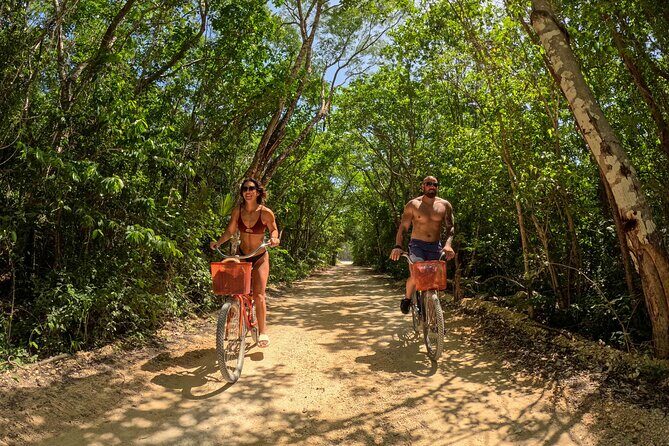
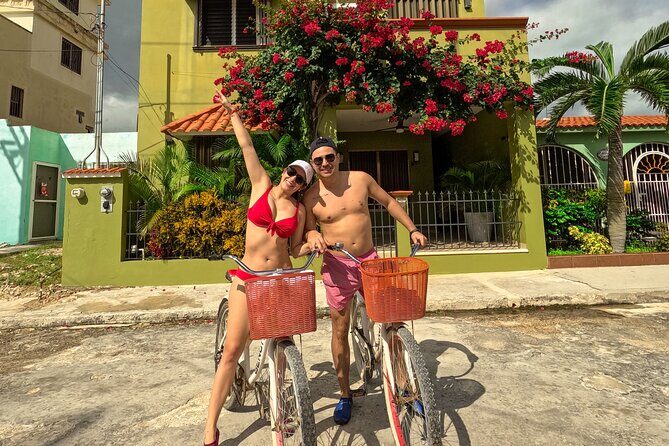
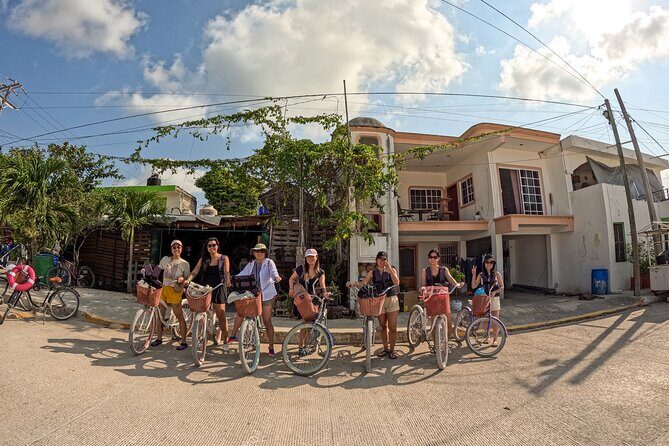
This tour starts back at the meeting point in Chemuyil at Bejil-Ha Riviera Maya, a community area close to Tulum City. You don’t just get shuttled to cenotes and dropped like a coin in a slot. Instead, you gather, get ready, then ride by bicycle with a local guide through quieter streets and into the jungle zone.
That bike segment does two useful things. First, it builds momentum and makes the cenotes feel like a destination you earned, not a stop on a drive-by circuit. Second, it puts you in the right mindset: you’re moving slowly enough to notice daily life and the way the area changes as you head toward the water.
The group stays limited—max 20—so you’re not stuck behind a slow line of strangers. And with the tour being in English, it’s easier to understand the stories and rules around swimming and respect for the sites.
You can also read our reviews of more tours and experiences in Playa del Carmen.

Stop 1: Bejil-Ha Riviera Maya and the local guide introduction
Before you ever hit the water, you begin by getting ready in the Chemuyil community (close to Tulum City). This isn’t a huge departure terminal; it’s the kind of start where you can actually talk to your guide before everything gets busy.
You’ll meet your local guide, and the day’s tone becomes clear right away: these aren’t treated as theme-park attractions. The guides are people born and raised in the community and jungle, and they frame the cenotes as places with secrets and care, not just viewpoints.
This part matters because cenote rules are real. Water conditions can change, some spots are more confined than others, and you’ll want to know where it’s safe to swim, where to move slowly, and how to avoid turning the area into chaos. When a local guide sets that tone early, the rest of the day stays relaxed instead of stressful.
Stop 2: The cave cenote walk-through that feels otherworldly
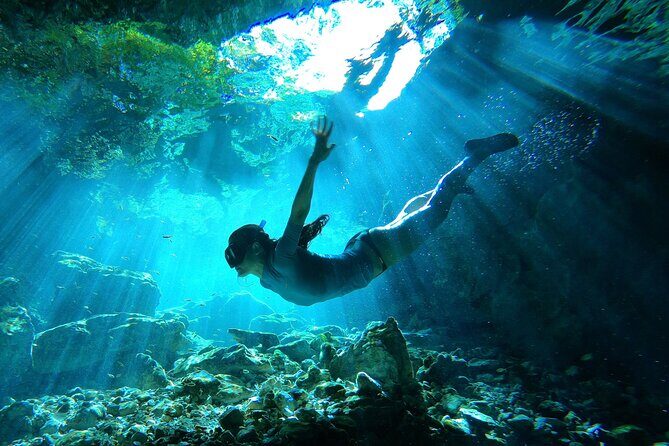
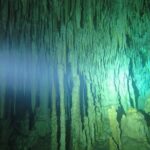
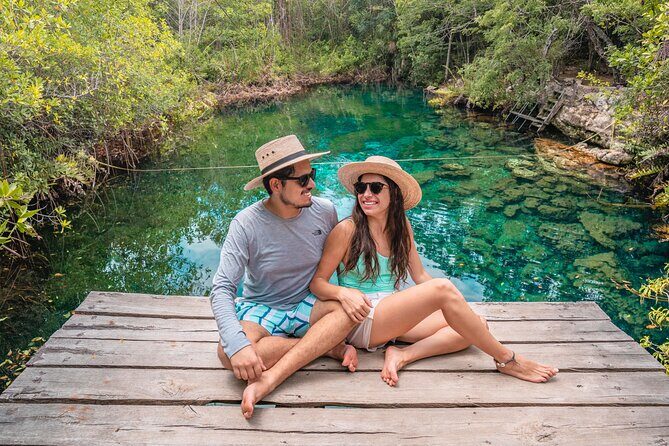
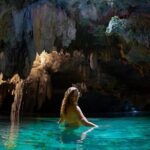
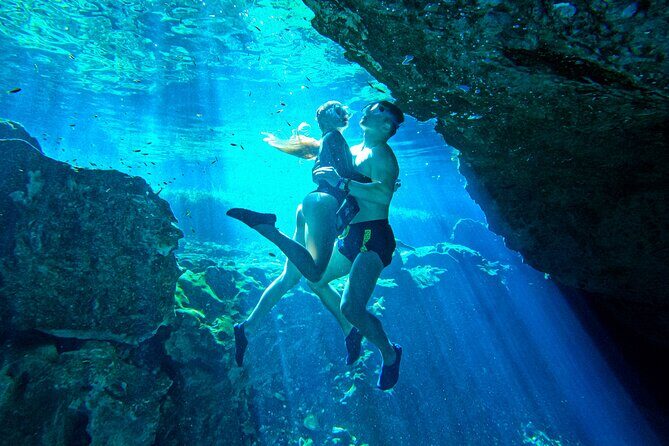
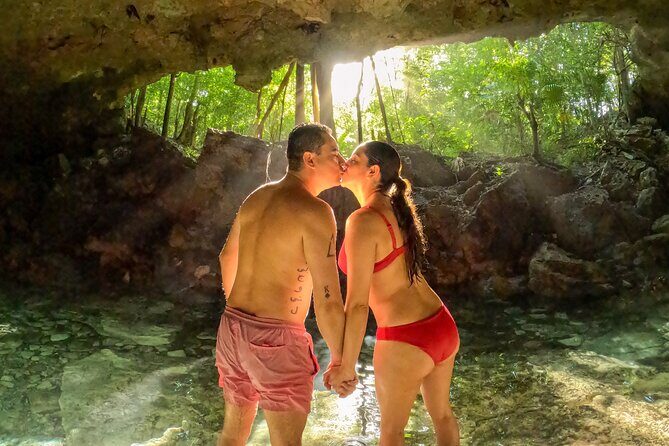
The first cenote experience is a cave-style swim. You’ll explore your way in and see an unreal setup—an indoor-feeling space where the view opens toward the jungle. The contrast is part of the magic: dark cave edges on one side, then a vision of green framed by what the cave lets through.
This is where snorkeling equipment becomes more than a checkbox. Even when you’re not swimming constantly, having the gear helps you spend more time looking instead of treading. And because the tour includes lockers, you’re not improvising with wet bags and anxiety.
What I like about this cenote style is how it teaches you to watch, not just react. You’ll naturally slow down, you’ll notice how the cave shape affects where light falls, and you’ll probably start paying attention to the little details instead of only counting the minutes.
Possible consideration: cave spaces can feel tighter than open water. If you’re claustrophobic or not steady in the water, it’s worth telling the guide early so they can guide your pace and positioning.
Stop 3: Semi-open cenote and the sunlight effect
Next comes a semi-open cenote. This one is built for the daylight moments—the kind where sunlight makes patterns in the water, and the scenery changes as the light shifts. You’ll admire the way the water and opening work together: less enclosed than the cave, but still sheltered enough to feel like your own private world.
This is also a great stop for people who want photos without turning the experience into constant posing. The light is doing the work for you, especially if your guide times the experience well. Some guides in the past have been praised for knowing the right time of day to maximize the sun, which is exactly what you want from a cenote guide: someone who understands how nature moves.
Snorkeling here tends to be more about drifting attention than sprinting around. Take it slow. Look around. Let the guide show you where it’s best to float and where it’s best to observe from shore.
Stop 4: The open cenote jump/plunge finish
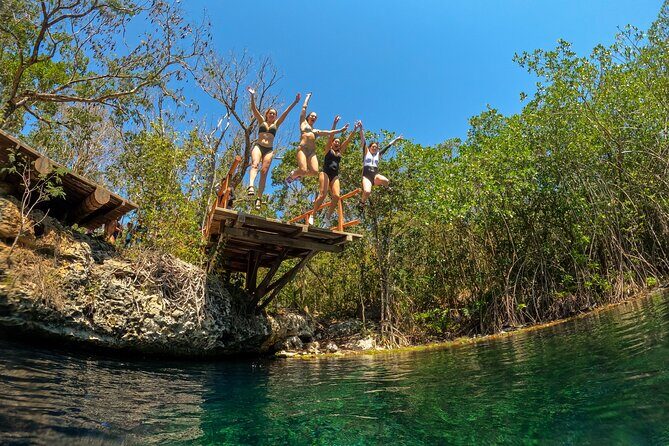
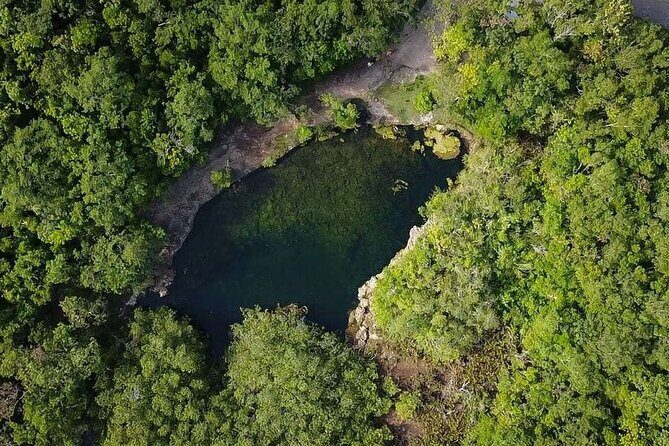
For the final cenote, the mood shifts toward adrenaline. This open cenote is where you’ll feel the rush as you jump and plunge directly into the water.
Even if you’re not sure you’ll actually jump, this last stop changes your day in a good way. It ends with a memory that sticks, not just a quiet swim. And because the tour format is timed around moving from one distinct cenote style to the next, the “energy arc” feels intentional instead of random.
Important reality check: this part involves height and movement. If you’re uncomfortable with that—whether from nerves, balance issues, or general water confidence—skip the jump and still enjoy the swim area. The key is staying within your comfort zone while the group moves.

What you get included (and what you’ll want to plan)
This tour is priced at $50.61 per person and runs about 4 hours. It’s not trying to be a full-day resort plan. It’s a focused outdoors experience with the essentials taken care of.
Included:
- Snorkeling equipment
- Bicycle
- Bottled water
- Coffee and/or tea
- Access to three cenotes
- Local guide
- Seasonal fruit
- Medical expense insurance
- Lockers
Not included:
- Lunch
- Private transportation
- Underwater photos
- Souvenirs
That lunch detail matters. You’ll get seasonal fruit and coffee/tea, which is perfect for energy, but it’s not the same as a full meal. If you know you’ll get hungry after a swim day, plan to eat before or after the tour rather than assuming this turns into a long sit-down lunch.
You should also consider footwear and dry-off time. The tour includes lockers and water basics, but you’ll still want something practical for wet feet and a way to keep your phone safe afterward.
Price and value: why $50.61 can feel like a steal
At $50.61 for about 4 hours, you’re paying for three cenotes plus the extras that often cost extra elsewhere: snorkeling gear, lockers, and a bike. Many cenote tours either charge separately for equipment or make you handle logistics like finding lockers and figuring out transportation.
Here, the structure is tight. You start in Chemuyil, you ride as part of the route, and you get access to all three cenotes as a package. That’s good value if you want a day that feels complete without extra ticket hopping.
The real value, though, is the “local and not touristy” focus you feel in how the day is run. Small group size (up to 20) means the guide can manage safety and keep the experience calm. That’s hard to price, but it shows up the moment you’re not stuck waiting behind a big crowd.
Small group vibes: what the 20-person cap changes
A maximum of 20 travelers is a big deal in cenote country. Big tours can feel like cattle drives—everyone moving at once, everyone asking the same questions, and the guide stuck trying to herd people rather than explain.
With this one, the smaller limit helps keep the day flexible. You can ask questions. You can adjust pacing if your confidence in the water varies. You can also spend a few extra minutes looking at light and rock formations without feeling like someone is always tapping a watch.
The reviews also highlight guides like Christian and Caesar, and other mentions of Sany and Cesar—names that point to a team of locals who know the area. That matters because cenotes aren’t just identical holes in the ground. The guide’s role is to help you understand each style and stay safe without killing the fun.
Photos after the swim: how to handle the Go-Pro moment
Underwater photos aren’t listed as included, so don’t plan on this being a free photo package. That said, some guides have been praised for taking Go-Pro photos and then offering them afterward, without pushy sales.
So here’s my advice: enjoy the water first, and then if photos are offered, check what’s available and decide calmly. If you want souvenirs, this is where it might happen, but you’re still not guaranteed a full included set.
Timing, sun, and why guides matter more than you think
Cenotes change through the day. Light angles shift, water reflections change, and the “wow” factor can depend on timing. That’s why guides who know the right schedule earn their pay.
You’ll feel that timing most during the cave-to-semi-open-to-open progression. The semi-open cenote is the one where sunlight is a star player. If you’re there at a time your guide anticipates well, photos and visibility tend to look better, and the whole experience feels more cinematic.
The guides also talk history and context—how the cenotes relate to the community and the jungle—so you’re not only swimming, you’re learning how the place works.
Who this tour is best for (and who should think twice)
Best fit:
- You want a true outdoors day that mixes biking + swimming.
- You’re comfortable with snorkeling basics and following a guide’s safety instructions.
- You like smaller groups and prefer local perspective over big-group commotion.
Think twice or ask extra questions first if:
- You’re not confident in the water or uncomfortable with an open cenote jump/plunge.
- You’re pregnant or you’ve had recent surgeries (the tour information specifically flags these categories, so you should clarify what’s possible for your situation).
- You need a day with a long, guaranteed lunch break (lunch isn’t included).
Good news: the tour says most people can participate, so it’s not built only for hardcore swimmers. But the physical parts are real, and the open-cenote moment is the one that most people feel in their legs and nerves.
Quick planning tips so your day runs smoothly
Bring:
- A swimsuit you’re comfortable wearing for multiple water moments
- A towel or something quick to dry off with
- Dry clothes for after
- Sunscreen (reef-friendly if you have it) and sunglasses if you tolerate them in water
Plan your meals:
- Eat something solid before you start, since lunch isn’t included.
- Treat the seasonal fruit and coffee/tea as a snack boost, not a full replacement.
Photo mindset:
- If Go-Pro photos are offered, decide after the fact. Don’t let it distract you during the best parts of the day.
Energy mindset:
- The day is short at about 4 hours, but it’s active. Hydrate and move at the pace your guide sets.
Should you book the Ride to a life changing cenotes tour?
If you want three cenotes in one outing, with snorkeling gear, lockers, and bikes handled for you, this is an easy yes. The best part isn’t just the water—it’s the way the day is framed by locals from Chemuyil, with a small-group feel and a schedule designed around the cenotes’ character and the sun.
I’d skip it only if you strongly prefer lounging over moving, or if the open cenote jump/plunge idea makes you nervous enough that you’d spend the whole day stressed. In that case, you might be happier with a more relaxed cenote visit where the adrenaline part is optional—or not on the agenda.
If you’re in the sweet spot of curious + active + ready to swim, book it. This is the kind of day that makes you remember the place, not just the pictures.
FAQ
How long is the cenote tour?
It runs about 4 hours.
How many cenotes are visited?
You’ll visit three cenotes.
What’s included in the price?
Snorkeling equipment, a bicycle, bottled water, coffee and/or tea, access to three cenotes, a local guide, seasonal fruits, medical expense insurance, and lockers are included.
Is lunch included?
No, lunch is not included.
What size is the group?
The tour has a maximum of 20 travelers.
Can I cancel for a refund?
Yes. You can cancel up to 24 hours before the experience start time for a full refund.