REVIEW · COZUMEL
Open Water Diver Course
Book on Viator →Operated by Buceo en Cozumel | Medusas Dive Cozumel | Bucea por primera vez en la Riviera Maya · Bookable on Viator
Learning to dive independently in Cozumel is a big deal. This 3-day Open Water Diver certification is built to turn nervous starts into real underwater control, with calm, hands-on coaching from instructors like Aida and Eider at Medusas. You’ll finish with a card that lets you dive up to 18 meters anywhere in the world, plus the confidence to handle your gear and your breathing without panic.
Two things I really like: you get structured learning that mixes online and in-person theory with practical sessions, and the teaching style focuses on safety and clarity. Aida, in particular, is described as patient and calming, and the lessons are paced so you understand what you’re doing before you do it.
One drawback to consider: it depends on good weather. If conditions are off, your schedule can shift, and the last day’s open-water reef sessions may be affected.
In This Review
- Key highlights worth knowing
- Learning Independence Underwater: What This Certification Really Gives You
- Price and Logistics: Where You Start in Cozumel and How the Timing Works
- Days 1 and 2: Shore Skills, Theory, and Coral-Edge Confidence
- Day 3 by Boat: Two Reef Sessions and the 18-Meter Goal
- Instructors and Safety: Patient Coaching From Aida and Eider
- What You’ll Actually Do Underwater: Gear, Body, and Marine Awareness
- Value Check: Is $683.86 Worth It for 3 Days in Cozumel?
- What to Expect From Cozumel Itself: Reefs, Coral Life, and Extra Moments
- Who Should Book This Open Water Certification Course
- Should You Book This Course in Cozumel?
- FAQ
- How deep will I be trained to?
- What does the course include during the 3 days?
- How long is each day of the activity?
- Is this a private experience?
- What language is the course taught in?
- What happens if the weather is poor?
- Can I cancel and get a full refund?
Key highlights worth knowing
- 18-meter international certification after completing the course requirements
- 3 days of training, ~5 hours each day, with a mix of theory and practice
- Shore training first, then a boat day for two reef sessions on the final day
- English instruction and a private setup so it’s just your group
- Instructors who actively support fear, with steady reassurance in and out of the water
- Min age 10, with a 12-meter limit for 10–11-year-olds
Learning Independence Underwater: What This Certification Really Gives You
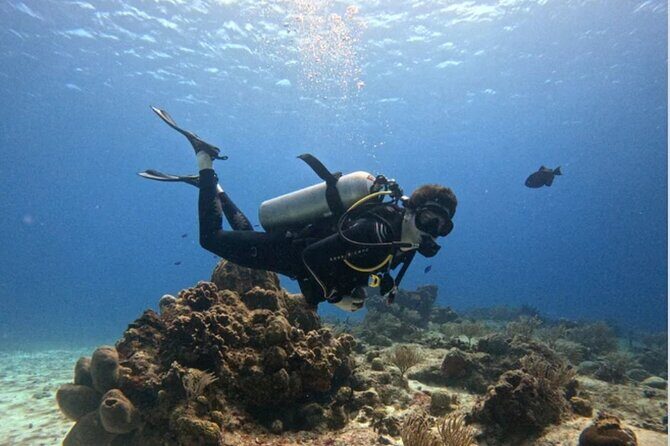
This is one of those courses that sounds simple on paper but matters a lot once you’re in the water. The point isn’t just to pass a class. It’s to learn how to become an independent scuba participant within the limits on your certification card. That means you’ll practice skills that help you feel in control: breathing, buoyancy, equipment basics, and how to move safely in a marine setting.
You’ll learn toward an official, internationally recognized certification. When you complete it, you’ll get a card that supports diving up to 18 meters anywhere in the world. For younger trainees (10–11 years old), the depth limit is 12 meters. That depth difference is a key reason this course structure works: the training is tailored early so everyone ends up with appropriate control for their depth goal.
The best part is the design: first you build understanding on land and in shallow water, then you apply it in open water on a reef. You’re not just watching. You’re doing, repeating, and getting coached until it becomes automatic.
You can also read our reviews of more tours and experiences in Cozumel.

Price and Logistics: Where You Start in Cozumel and How the Timing Works
The price is $683.86 per person for about 3 days. For many people, that number is less about the ocean and more about what’s included: guided training, course instruction (online and in person), and practical sessions over multiple days. You’re also paying for the safety net of professionals who stay focused on your skills rather than rushing you along.
You’ll meet at Buceo en Cozumel | Medusas Dive Cozumel | Bucea por primera vez en la Riviera Maya, on Avenida 20 between Benito Juárez and 2 Nte, Centro, Cozumel, Q.R., Mexico. Expect a fairly tight morning-to-midday schedule: opening hours run 9:00 AM to 2:00 PM daily, and each day’s activity time is about 5 hours.
This matters because scuba training rewards consistency. If you arrive stressed, late, or running on zero sleep, you’ll feel it. If you come prepared and ready to focus, you’ll likely absorb faster and stay calmer when you hit the water.
Also note this is a private tour/activity. That’s not just a nice-to-have. Private training generally means less waiting, fewer distractions, and a better chance instructors can adjust to your pace.
Days 1 and 2: Shore Skills, Theory, and Coral-Edge Confidence
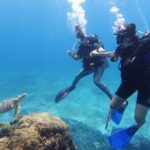
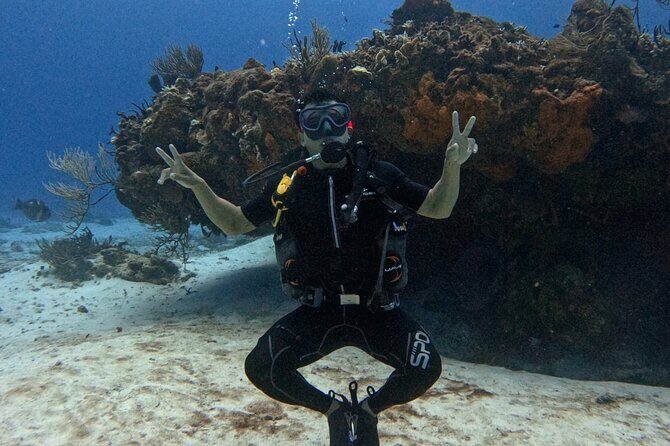
The first two days are built for learning without overwhelm. You’ll do theory and practical work in a shallow area close to shore, described as having plenty of corals and marine life. That’s a smart combo: you can practice skills where the water is manageable, while still getting a taste of why Cozumel is worth the trip.
Day 1 and Day 2 both include a mix of:
- Theory (online and in person, as part of the course)
- Practical training focused on equipment, your body, and safety
- Shallow water skill work where you can repeat until it clicks
What you should watch for (and what instructors tend to prioritize) is clear comprehension before you go deeper mentally. In the feedback you’ll see the same theme: instructors keep explaining, make sure you understand, and stay patient when you need extra time. If you’re someone who tends to freeze when you feel water pressure or unfamiliar gear, this kind of pacing is exactly what you want.
Another practical benefit of shore-based training: it helps you get your bearings fast. In shallow water, you can make mistakes without the stress of being far from the surface. You’ll build muscle memory for basic handling and breathing control, which is what keeps later open-water sessions smooth.
Day 3 by Boat: Two Reef Sessions and the 18-Meter Goal
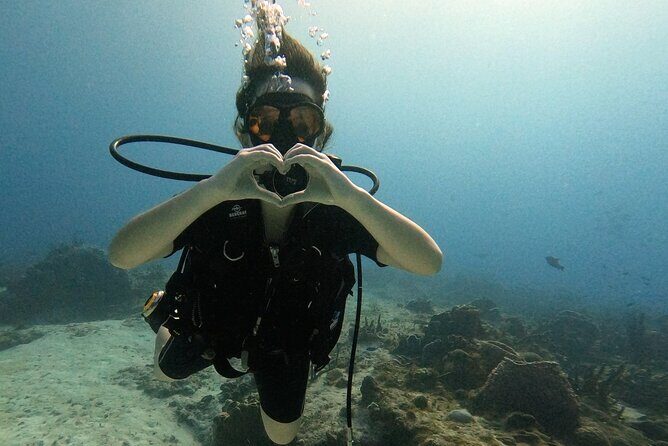
On the last day, you shift from shore practice to open water. You’ll travel by boat to the reefs of the Cozumel marine park. This is where the course starts to feel like real scuba travel, not just training.
The structure on day 3 is straightforward:
- You go out by boat
- You do two reef sessions
- You work toward the course depth up to 18 meters
This boat day is also why the first two days matter. If you’ve built a baseline of comfort in shallow water, the reef day tends to feel like an upgrade instead of a shock. If you haven’t, day 3 can feel like drinking from a fire hose. The good news is that the course is designed to reduce that risk: you practice the skills first, and instructors focus on safety throughout.
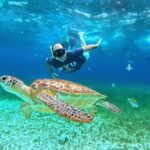
You can also expect reef time to be more than training drills. A common highlight is how instructors point out interesting things underwater and keep you oriented. That kind of attention helps you enjoy the experience instead of just counting seconds while you try to remember every instruction.
One more consideration: this part of the plan requires good weather. If conditions are rough, your reef sessions may be adjusted. That’s not a deal-breaker if you’re flexible, but it’s something to plan around so you don’t feel trapped by your travel dates.
Instructors and Safety: Patient Coaching From Aida and Eider
This course has a clear teaching philosophy: safety through understanding, not through intimidation. In the feedback, Aida shows up repeatedly as a professional instructor who explains well and stays calm. People describe feeling safe underwater and credit her with calming their nerves and making the learning process feel manageable.
Eider is also mentioned as being deeply involved, and Manuela appears in one note as part of the supportive team. That matters because a course like this is not one instructor doing everything in isolation. Having more than one instructor or instructor partner means you can get help quickly if you’re struggling with a specific skill or if you need reassurance.
A big win here is how they handle fear. One person specifically said the team cared for them and helped them surpass their fear. That’s huge. Scuba training is a physical skill, but it’s also a mental one. If you’re anxious, you’ll want instructors who treat your nerves like part of the course, not something to push through.
If you’re the kind of learner who likes structure and clear cues, you should feel comfortable with this teaching style. And if you’re the kind of learner who needs to ask questions, expect that to be welcomed in the shop and on the water.

What You’ll Actually Do Underwater: Gear, Body, and Marine Awareness
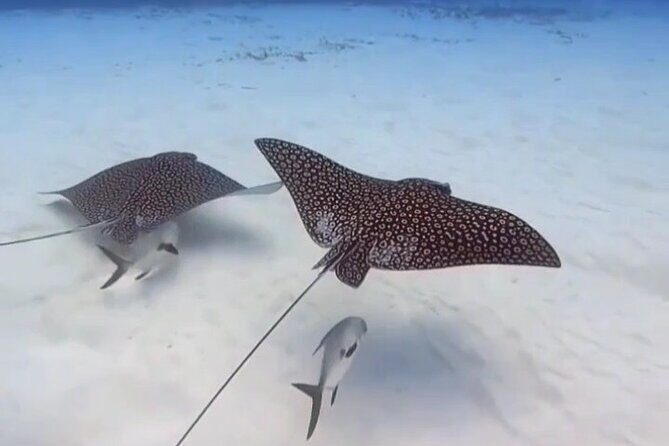
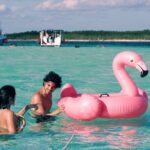
The practical part of the course is where the certification becomes real. The goal is independence, so your training focuses on:
- Getting to know your equipment
- Understanding how your body behaves underwater
- Learning how to be respectful in the marine environment
This isn’t just about learning to float. It’s about understanding how to stay stable and controlled so you don’t crash into your surroundings or lose your timing. The instructors’ attention is key here: you’ll likely get repeated coaching until your skills meet the course expectations.
You’ll also gain experience with the flow of a proper underwater session: how to check yourself, how to manage breathing, and how to stay aware of what’s around you. Even if you’re just learning now, the habits you build during these sessions will shape every later trip.
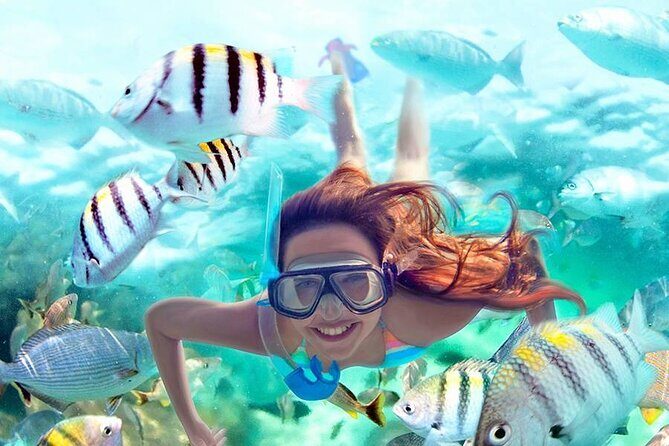
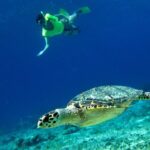
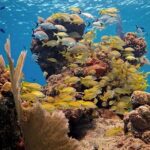
And since the environment is a major part of the curriculum, expect to spend time noticing marine life rather than treating it like wallpaper. Cozumel’s reefs tend to be visually rewarding, and practicing your skills in front of real coral and sea life makes the training feel meaningful instead of purely mechanical.
Value Check: Is $683.86 Worth It for 3 Days in Cozumel?
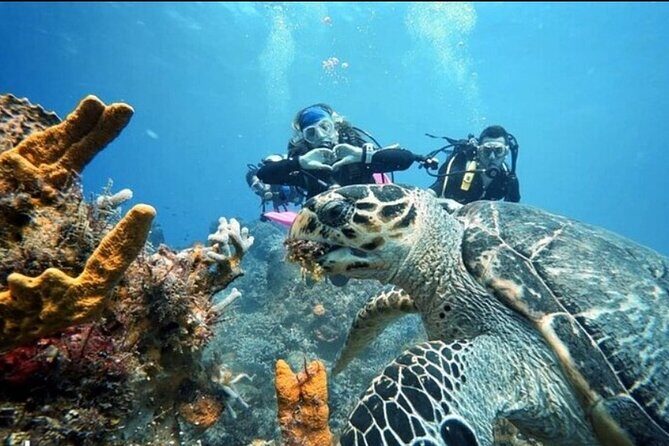
At $683.86 per person, this isn’t a cheap activity. But it’s also not just a single day in the water. You’re paying for three days of instruction, mixing online and in-person theory with repeated practical training, plus the guided open-water work on a reef.
Here’s how I think about value for a course like this:
- If you want an international certification, you’re not just buying a fun afternoon. You’re buying a credential you can use later.
- If you want independence, you need coaching time. This course includes multiple hours each day, and that time matters.
- If you’re anxious or new, you’re paying for patient instruction and safety-focused guidance, which can save you from panic-driven mistakes.
The private-group nature also influences value. Smaller or private setups can make learning more efficient because instructors can tailor attention without splitting time across a large group.
One more note from the course vibe: people mention strong attention, patience, and reliable safety. If that’s your priority, this looks like a good match.
What to Expect From Cozumel Itself: Reefs, Coral Life, and Extra Moments
Cozumel is a reef-first destination, and this course uses that. During the shore sessions, you train in shallow water where you still get coral and marine-life exposure. Then on the final day, you step into reef training sessions at up to 18 meters in the marine park.
Reefs are also where you’ll see the difference between simply being underwater and being properly trained. When you can control buoyancy and breathing, you can spend time observing instead of fighting your position.
You might also come across small course extras that make the experience feel warmer. One person mentioned their instructor taking them to a sunset spot in the evening. That kind of thoughtful added touch can make a short course feel like a mini trip, not just check-the-box training.
Who Should Book This Open Water Certification Course
This course fits best if you want:
- A true first certification that supports international scuba participation
- A clear path from shore practice to reef sessions
- A supportive instructor team that helps with fear and confidence
It’s also suitable for people who learn well with step-by-step instruction and repeated practice. The course is described as suitable for most travelers, with a minimum age of 10 years. If you’re traveling with children in the 10–11 range, plan around the 12-meter depth limit.
Who should think twice: if you’re booked on very tight travel dates that can’t flex with weather, you may find the weather dependency stressful. Also, if you hate waiting and long instruction blocks, you might prefer a shorter format. This one is full learning time across three days.
Should You Book This Course in Cozumel?
I’d book it if you want your first real scuba certification with strong coaching and calm support. The combination of shallow skill-building on days 1 and 2, then a structured open-water reef day on day 3, is exactly how you avoid the common problem of feeling thrown into the deep end mentally.
It’s also a good choice if you’re not sure you’ll be comfortable at first. The repeated focus on patient teaching and safety makes this feel like a place where fear can be handled, not ignored.
On the flip side, go in with realistic expectations: it’s three days of focused training, not a vacation day that happens to include water time. And the schedule depends on good weather, so it helps to have flexible travel around your last day.
If that sounds like your style, this course in Cozumel is a solid way to start your scuba life with skills you’ll actually use.
FAQ
How deep will I be trained to?
The course is built to reach 18 meters. For 10–11-year-olds, the course depth limit is 12 meters.
What does the course include during the 3 days?
You get a theoretical part that includes online and in-person learning, plus practical training. The first two days focus on shore classes in shallow water, and the last day includes two reef sessions by boat.
How long is each day of the activity?
Each day runs for about 5 hours.
Is this a private experience?
Yes. It’s listed as a private tour/activity, so only your group participates.
What language is the course taught in?
The course is offered in English.
What happens if the weather is poor?
The experience requires good weather. If it’s canceled due to poor weather, you’ll be offered a different date or receive a full refund.
Can I cancel and get a full refund?
You can cancel for a full refund if you cancel up to 24 hours in advance of the experience’s start time. If you cancel less than 24 hours before, the amount you paid won’t be refunded.