REVIEW · COZUMEL
Open Water Course Cozumel
Book on Viator →Operated by Be Diving Scuba Academy · Bookable on Viator
Three days to feel at ease underwater. This PADI Open Water course in Cozumel (often doable in two days) is built around clear steps, from theory to real-water skills off the Mayan Riviera. I love how you get focused buoyancy practice in a small pool, then move forward at your own pace. I also like the emphasis on responsible skills that help protect coral and keep you in control. A possible catch: you’ll need moderate fitness and good weather, since the water schedule depends on conditions.
If you’re learning with the right team, the whole thing feels less scary. Instructors like Jon (with Cata) and Mariana are known for patient coaching, lots of repeat practice, and making sure you understand what you’re doing before you move on. The course runs in English, and it’s private—so you’re not getting shoved into a large mixed group.
One more practical note: the start point is listed as San Miguel de Cozumel, while ticket check-in is shown in Playa del Carmen. That’s easy to manage once you know it ahead of time, but it’s worth double-checking where your day begins each morning.
In This Review
- Key highlights worth your attention
- The PADI Open Water rhythm: theory, confined water, open water
- Where you’ll meet (and why Playa del Carmen vs. San Miguel matters)
- The gear training focus: what you’ll learn to handle
- Instructor-led sessions that build calm control (not chaos)
- Pool work in Playa: getting comfortable before the ocean
- Casa Cenote in Tulum: a training-friendly place to see life
- Cozumel open-water sessions off the Mesoamerican reef
- Marine conservation lessons: practical respect, not just talk
- Price and value: is $600 a good deal?
- Who should take this course in Cozumel
- Practical tips before you go (so you enjoy it more)
- Should you book this Cozumel Open Water course?
- FAQ
- How long is the Open Water course?
- Is the theory part online or in a classroom?
- What are the main phases of the PADI Open Water course?
- Where do I check in and where does it start?
- Is the course offered in English?
- Is this a private tour or shared group experience?
- Do I need a certain fitness level?
- What happens if weather is bad or I need to cancel?
- Will I receive confirmation after booking?
Key highlights worth your attention
- Two-day option: The Open Water course can often be finished faster, depending on availability
- Pool-first skills: You get extra time working buoyancy and gear basics in a dedicated training pool
- Instructor coaching for control: Expect trim, buoyancy, and efficient kicking habits from the beginning
- Open-water practice off the coast: Sessions are done around the Mayan Riviera area with your instructor
- Marine conservation included: You’ll learn how to protect marine life while you’re learning skills
- Private group format: Only your group participates, which usually helps learning move smoothly
The PADI Open Water rhythm: theory, confined water, open water
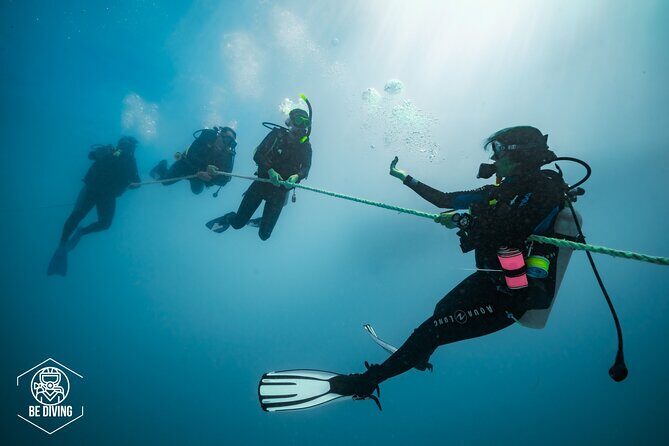
This course follows the standard PADI Open Water structure, but with a training approach that aims to make you feel competent—not just signed off.
Here’s the flow you should expect:
1) Knowledge Development (theory)
You can do theory online (independent study) or in a classroom setting. Either way, the goal is the same: you understand the basic principles of how scuba works, how equipment functions, and what safety rules matter before you ever get into open water.
2) Confined Water Dives / skills sessions
These are your controlled skill drills. This is where you learn to use the main gear and practice core tasks until they feel normal. For many people, this phase decides whether scuba feels fun or frustrating.
3) Open Water Dives / sessions
This is where you apply those skills in real open water, guided by your instructor. It’s where “I get the idea” turns into “I can do this.”
What I like about this structure is that you’re not left guessing. You learn the why, practice the how, then prove it in the setting you’ll actually experience as a certified diver.
You can also read our reviews of more tours and experiences in Cozumel.

Where you’ll meet (and why Playa del Carmen vs. San Miguel matters)
The course lists a start in San Miguel de Cozumel, Quintana Roo, Mexico, and it also lists a ticket redemption/check-in point in Playa del Carmen (10 Avenida Nte. 173-5, Gonzalo Guerrero, 77710 Playa del Carmen, Q.R., Mexico).
That split can confuse people if they assume one place handles everything. Here’s how I’d handle it:
- Plan to do your ticket check-in at the Playa del Carmen address.
- Plan your daily start in/around San Miguel de Cozumel for the actual course activities.
Because the tour ends back at the meeting point, you should also plan for your return timing to match that final location. If you’re using public transportation, the tour info says it’s near public transit, which helps for moving between areas.
The gear training focus: what you’ll learn to handle
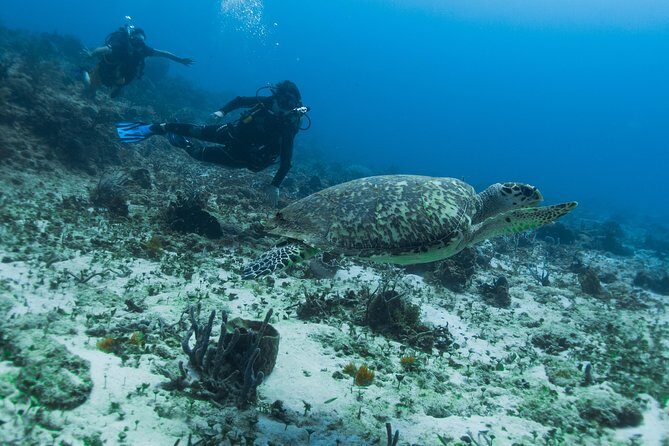
The course centers on using standard scuba equipment, and you’ll learn how each piece fits into your control underwater. You should expect instruction around:
- Mask
- Snorkel
- Fins
- Regulator
- Buoyancy control device (BCD)
- Tank
Why this matters: many first-time scuba students try to learn “everything at once” in open water. This course aims to prevent that by making sure you can manage the basics calmly before you’re in deeper or more open conditions.
You’ll also be practicing safety-focused skills with your instructor present, who checks progress and answers questions as you go. The point isn’t just passing the course—it’s building habits that keep you relaxed.
Instructor-led sessions that build calm control (not chaos)
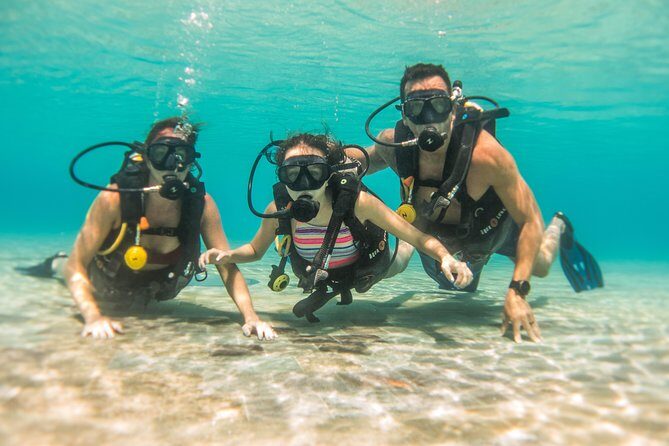
The most consistent praise from past students is the teaching style: patient, structured, and focused on fundamentals.
A key theme you’ll hear from experienced instructors is that good scuba starts with control:
- Trim (how your body sits in the water)
- Buoyancy (how you move without constantly bouncing up/down)
- Efficient kicking methods (so you’re not flailing or wasting energy)
One reason this approach works: practice is repetitive, but not rushed. People who are new to scuba usually need more time than they think they do, especially for buoyancy. A smaller training pool helps here because you can repeat key tasks without spending your effort just getting oriented.
If you’re technical-minded, you may especially appreciate the focus on fundamentals early. If you’re brand new, that same focus usually translates into feeling safe because the instructor keeps you on a clear skill path.
Pool work in Playa: getting comfortable before the ocean
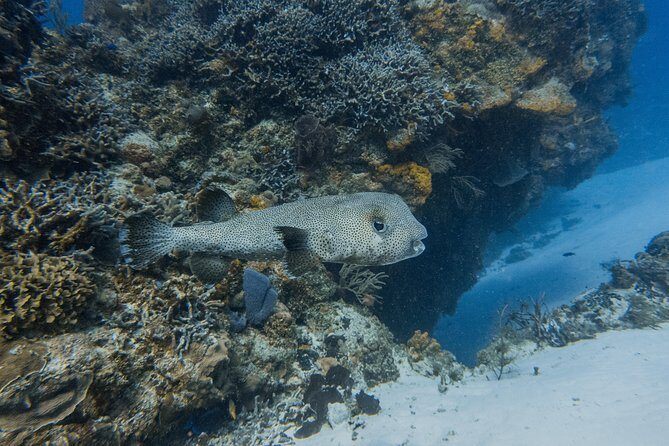
A common pattern in this course is a first day built around getting your body and gear used to water. You start with an overview—how scuba works, the concepts behind it—then you practice equipment handling and skills in a pool.
Why pool time is valuable:
- You can fail safely and quickly (adjusting gear, repeating skills).
- You get immediate feedback.
- You learn how to breathe steadily and how your buoyancy responds to small changes.
This is also where you typically build confidence with your instructor’s help rather than trying to “figure it out” once you’re out of sightlines and comfort.
If you’re the type who relaxes once you understand the plan, this format is a good fit.

Casa Cenote in Tulum: a training-friendly place to see life
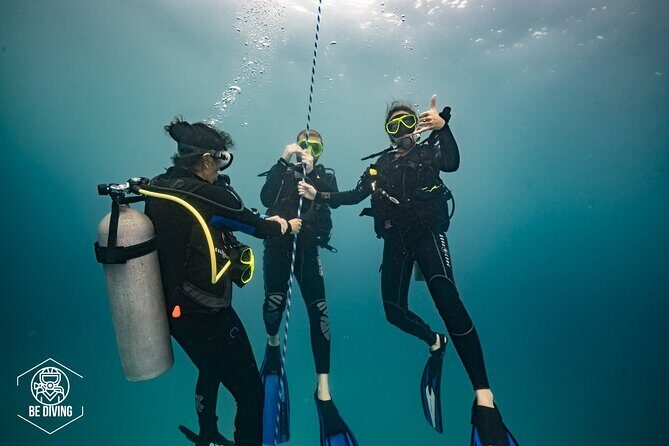
Some schedules include a stop at Casa Cenote in Tulum for practice sessions. If that’s part of your dates, it’s a smart transition: you’re still doing guided skill work, but you’re in an environment with more scenery and marine life energy than a plain pool.
What you can reasonably expect from a cenote setting:
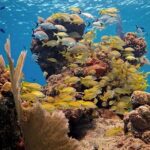
- You’ll be able to see fish and experience clearer “underwater reality.”
- You get practice applying the skills you learned earlier while staying within a controlled plan.
This kind of training location can make the course feel more meaningful. It also helps you connect skills (buoyancy, control, awareness) to what’s around you—rather than treating training like a checklist.
One thing to plan for: your comfort level underwater tends to improve faster when you’re in water that feels calm and visually interesting, and cenote-style experiences can provide that.
Cozumel open-water sessions off the Mesoamerican reef
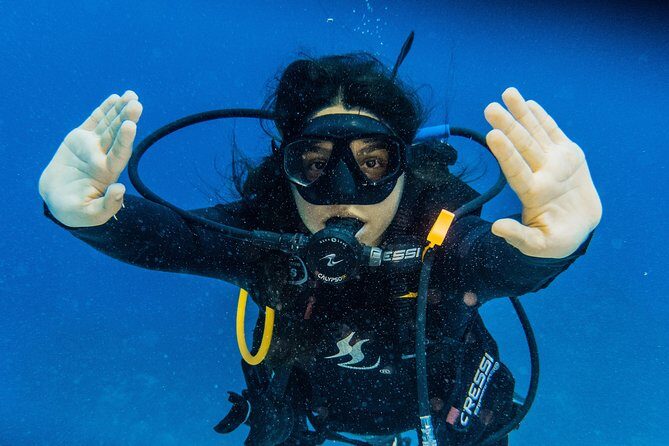
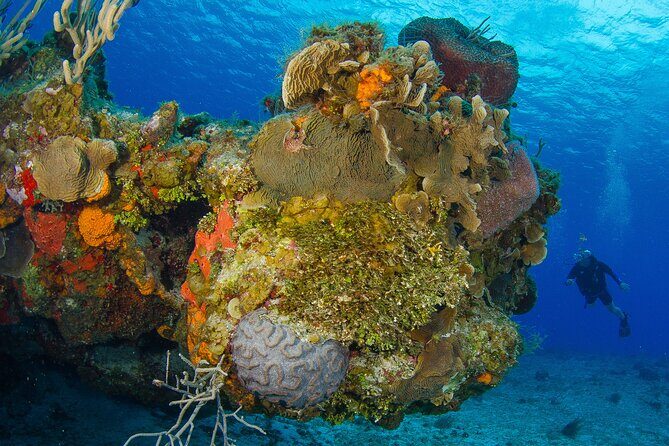
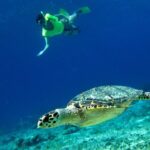
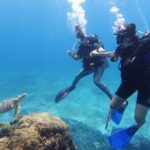
The big setting is Cozumel. Your open-water work is done in real ocean conditions, guided by your instructor, with the goal of using your skills where they matter most.
In the schedules that include a ferry ride, you may spend a day in open ocean conditions around the Mesoamerican reef. That’s where you typically get:
- Real-world buoyancy practice in moving water conditions
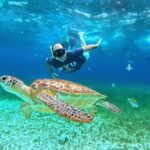
- A chance to explore marine life with a safety-first structure
- Clear instruction tied to specific goals for each session
Why this is worth doing with an instructor: open water is where small problems grow fast. If you don’t have good control yet, you can end up using extra effort or stressing gear and breathing. A strong instructor helps you keep things steady and builds the habit of doing things in a calm, repeatable way.
Also, you’ll get more out of it if you treat each session as a training block, not as a sightseeing mission.
Marine conservation lessons: practical respect, not just talk
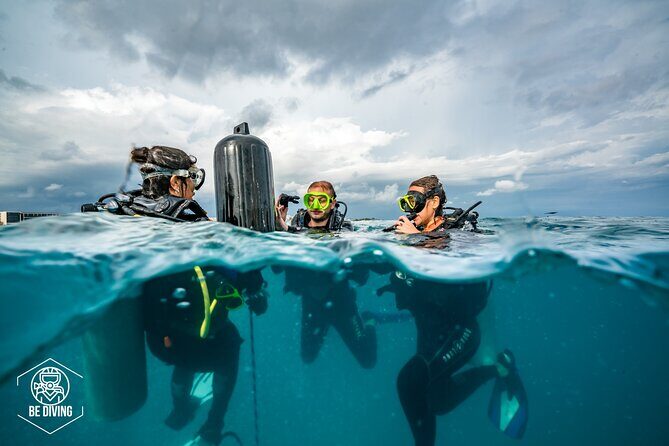
This course includes learning about marine conservation while you complete the Open Water training.
In plain terms, that usually means:
- How your movements affect the environment
- Why coral and marine life can be damaged by careless buoyancy or kicking
- How to be mindful with your gear so you don’t hit the bottom or stir up sediment
This matters for your future dives as much as this course. If you learn good habits from the start, you’re far less likely to develop sloppy patterns that are hard to break later.
If you care about scuba as a way to respect the ocean, this element is a strong plus.
Price and value: is $600 a good deal?
The price listed is $600.00 per person, for a duration of about 3 days (with the possibility of 2 days depending on availability).
How to judge value here:
- You’re paying for the full structure of the PADI Open Water course: theory + skill development + open-water sessions.
- You’re paying for instructor time and feedback, which is the main cost driver for learning scuba correctly.
- You’re also paying for training gear use while you learn the basics like mask fit, regulator handling, and buoyancy control.
In past experiences with this training team, people also noted that video is available after the course. That means you don’t necessarily need to bring a GoPro for the memories (though you can always bring one if you want).
My take: $600 can be a fair value for an Open Water course when the teaching is patient and the structure is clear. If you’re choosing purely on price, don’t. Choose on whether you’ll get the time you need to build control without being rushed.
Who should take this course in Cozumel
This is a solid choice if:
- You want the PADI Open Water Diver certification and want a structured learning path
- You prefer guided, instructor-led practice rather than self-teaching
- You value responsible scuba and learning how to avoid harming coral and marine life
- You like small-group learning, since it’s private for your group
It’s also especially good if you sometimes get nervous trying new physical skills. Pool-first training plus patient coaching helps you build trust before open water.
You should think twice if:
- You don’t feel comfortable with moderate physical activity
- You’re booking during a period when weather could disrupt the schedule
- You want a completely hands-off experience; this course is designed around learning and practicing.
Practical tips before you go (so you enjoy it more)
I’d plan around these simple realities:
- Bring a calm mindset. The best results come when you slow down during skills and focus on breathing and buoyancy.
- If you’re choosing theory online, block time to actually do it. The course still moves through its phases in a time-efficient way.
- Ask how your schedule maps to the two-day or three-day option. Availability can change, and you’ll want the timeline to match your trip.
- If you care about reef safety, mentally commit to gentle movements. This course teaches that early—your job is to keep using it.
Should you book this Cozumel Open Water course?
Book this course if you want a structured PADI Open Water experience with an instructor team that focuses on fundamental skills like buoyancy, trim, and controlled kicking—and you want that paired with marine conservation lessons.
Skip it or ask extra questions first if you’re hoping for a purely recreational experience with minimal practice time. This is training. It will feel best if you enjoy learning, repeating skills, and building confidence step by step.
If you want a first certification that sets you up to be self-sufficient underwater, this course is the right kind of start.
FAQ
How long is the Open Water course?
The course is listed as 3 days approximately, and it can be done in 2 or 3 days depending on availability.
Is the theory part online or in a classroom?
You have an option to study the theory section online or in the classroom.
What are the main phases of the PADI Open Water course?
It includes Knowledge Development, confined water skill sessions, and open water sessions.
Where do I check in and where does it start?
The activity starts in San Miguel de Cozumel, Quintana Roo. Ticket redemption is listed at 10 Avenida Nte. 173-5, Gonzalo Guerrero, 77710 Playa del Carmen, Q.R., Mexico.
Is the course offered in English?
Yes, the course is offered in English.
Is this a private tour or shared group experience?
It’s private. Only your group participates.
Do I need a certain fitness level?
Travelers should have a moderate physical fitness level.
What happens if weather is bad or I need to cancel?
The experience requires good weather. If it’s canceled due to poor weather, you’ll be offered a different date or a full refund. Cancellation is free up to 24 hours in advance for a full refund.
Will I receive confirmation after booking?
Yes, confirmation is received at the time of booking.