REVIEW · PLAYA DEL CARMEN
Off Road ATV Tour at the Akumal Monkey Rescued Animals Sanctuary
Book on Viator →Operated by TulumAdventure Mexico · Bookable on Viator
Jungle trails plus rescued monkeys. This 4-hour ATV tour in the Akumal area blends jungle riding with a cenote swim and an animal-care stop that feels purposeful, not just performative.
Hotel pickup in selected areas helps too, but you’ll still spend most of the day in real nature—mud, dust, trees, and all.
I really like how the ride is run like an activity, not a free-for-all: you get helmets and goggles, a safety talk, and you can choose a single or double ATV based on comfort. I also like the monkey sanctuary side, where the focus stays on rescue and recovery—plus you can add monkey bonding if you want a closer interaction.
One caution: the $159 price is only part of the real cost, since ATV insurance is mandatory and monkey bonding is an extra fee.
In This Review
- Key highlights you should know
- Playa del Carmen to Akumal: pickup timing and what it means
- Choosing your ATV setup: single vs double and real-world comfort
- Safety and guide style: what you’re actually learning while you ride
- The cenote stop: a swim break, but pack for the cold and the rocks
- Akumal Monkey Rescued Animals Sanctuary: what the visit delivers
- Monkey bonding, photos, and other add-ons: budget and timing
- Price and value check for the $159 fee
- The practical packing list that saves the day
- Who should book this ATV and monkey sanctuary tour
- Should you book the Akumal ATV and monkey sanctuary tour?
- FAQ
- How long is the ATV tour?
- What is the price per person?
- Is hotel pickup and drop-off included?
- Do I need to pay ATV insurance?
- Can I choose a single or double ATV?
- What are the age and height rules?
- Is there a cenote swim?
- Is the monkey bonding experience included?
- What should I bring?
- What happens if the weather is bad?
Key highlights you should know
- Small group size (max 15) keeps things moving and makes the guide easier to hear.
- Single or double ATV options help you match the ride to your comfort level.
- Cenote swim is built into the route, not tacked on at the end with no time.
- Rescued monkeys and conservation education are the heart of the sanctuary stop.
- Monkey bonding costs extra and can require adding it during check-in.
- Dust or mud happens depending on weather, and the tour gives you rain protection but you should pack for conditions.
Playa del Carmen to Akumal: pickup timing and what it means
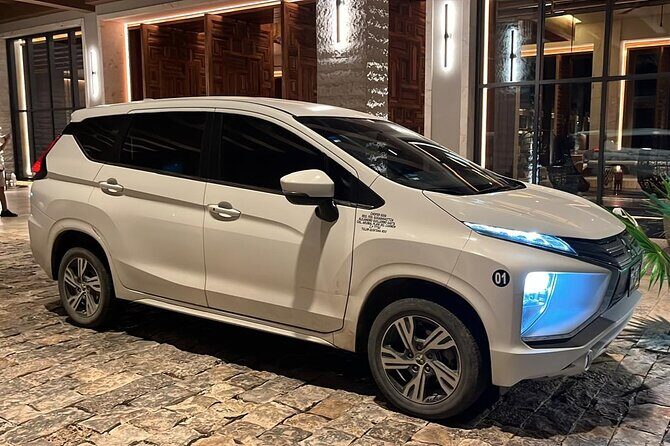
This is sold as an Akumal adventure, but the practical piece is the pickup. If your hotel is in the selected pickup list, you’re collected and returned by transfer, typically starting 60 to 90 minutes before the tour time. Exact times come after reconfirmation, and you’re asked to send your hotel and even your room number so drivers can access the property smoothly.
Two things to keep your day stress-free. First, don’t treat the pickup window like a suggestion. It’s one reason people end up waiting around later. Second, if you’re staying near Cancun, note that standard transfers are not offered from Cancun—there’s a private transfer option for an extra fee, if you ask.
Also read this as a scheduling hint: the sanctuary office closes after 6 PM, and the operator recommends the 2nd shift so transfers and check-in don’t get squeezed. If you’re planning a late-day start, it matters.
You can also read our reviews of more tours and experiences in Playa del Carmen
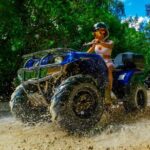
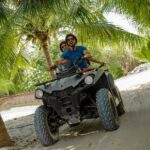
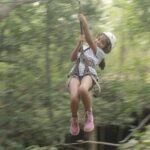
Choosing your ATV setup: single vs double and real-world comfort
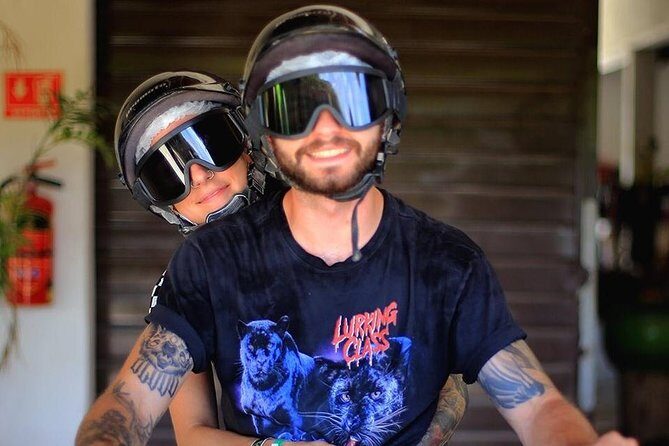
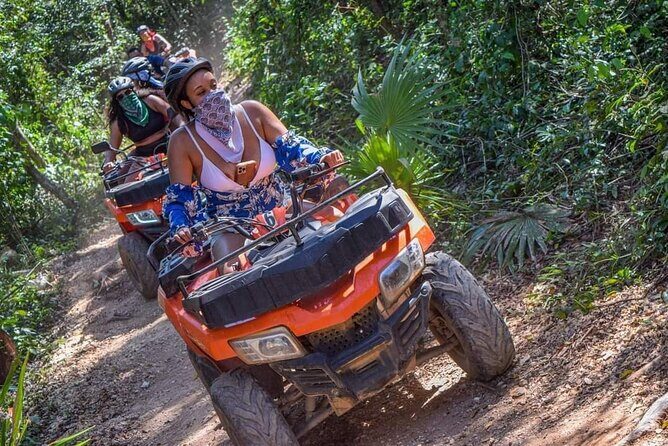
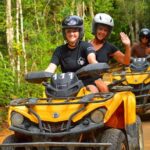
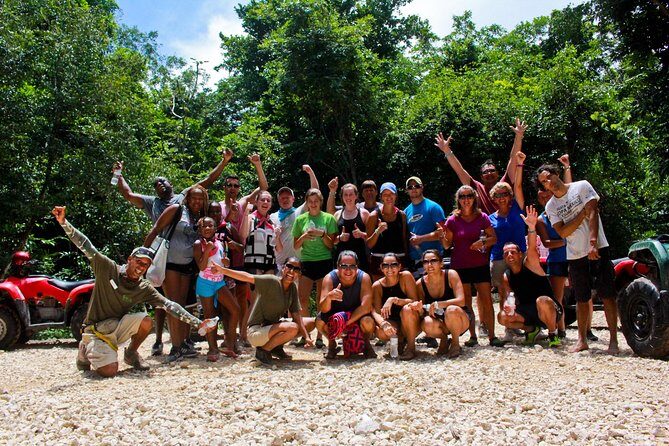
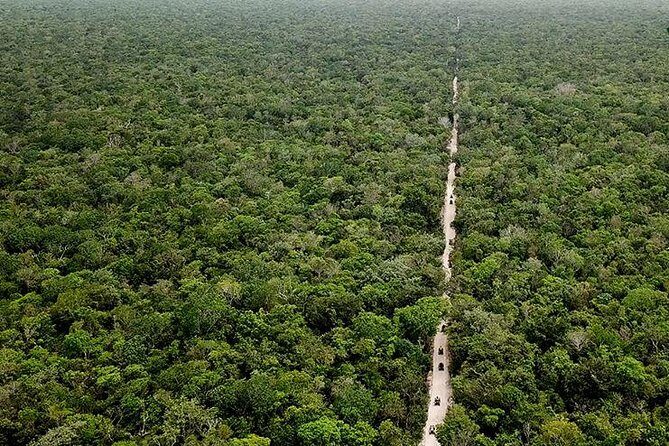
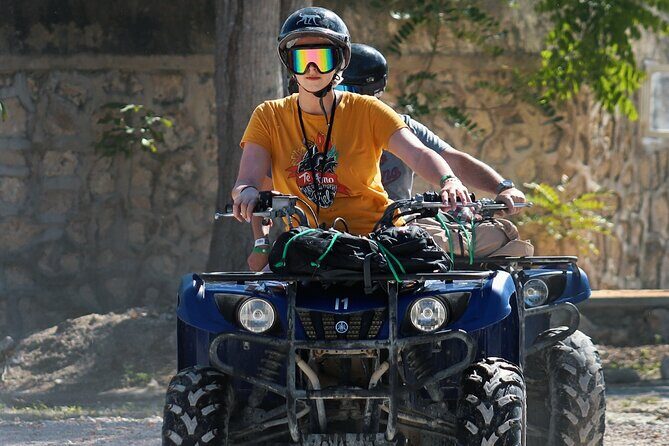
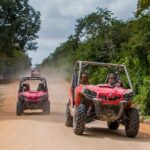
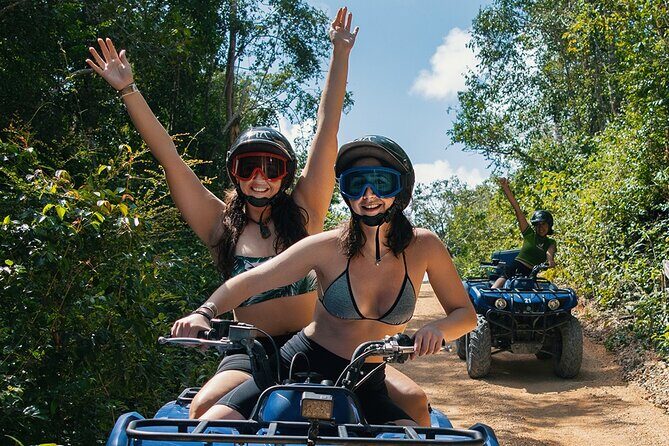
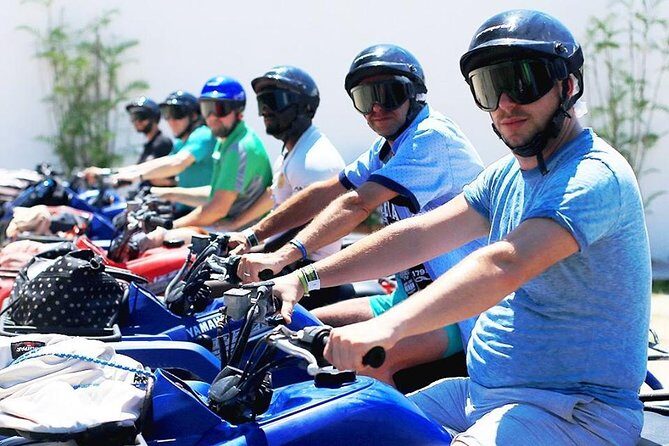
Once you arrive, you’ll get the safety briefing, plus helmet and security glasses (and goggles as part of the safety gear). You’ll then be guided off the beaten tracks into the Riviera Maya jungle.
Here’s the decision point you’ll actually feel on the ride:
- Single ATV: more control, more vibration/bounce if you’re sensitive, and the full experience is on you.
- Double ATV: usually steadier if you’re riding as a passenger with an adult driver.
The tour sets clear boundaries. Minimum age to drive is 16, and you must show ID. Passengers can ride starting at age 5 (with height minimum of 1.20 meters / 3 feet 9 inches). There are weight caps by vehicle too: 175 kg / 386 lb for a single and 210 kg / 463 lb for a double.
If you or your group has any mobility limits, I’d treat the moderate physical fitness note seriously. This isn’t a slow stroll—there’s climbing, bouncing, and quick attention required when trails tighten up.
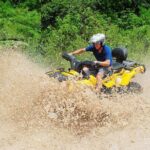
A couple of smart packing tips from the field: bring comfortable shoes you can grip in, and if you have them, face coverings help when dust rises. One review called out how dusty conditions can get, and others mentioned bug spray and face gaiters. If it rains, you may also wade through mud puddles that make the ride messier but usually more fun.
Safety and guide style: what you’re actually learning while you ride
This tour is led by an expert guide, and the best version of it is when you take your cues quickly and ask questions. The ride follows jungle paths where conditions change fast—so the guide’s instruction matters.
I liked that the tour is structured so people don’t feel lost. You’re given time to get ready, equipment is checked, and the group stays together. In multiple accounts, guides such as Luis, Omar, and Mikey are specifically called out for explaining the animals and the environment in a way that lands. You’re not just told where to go; you’re told why.
That matters because the cenote and the sanctuary stop tie into what you learned on the ride:
- what plants and terrain look like in the Riviera Maya
- what the animals need to survive
- how rescue and recovery works in a practical way
The cenote stop: a swim break, but pack for the cold and the rocks
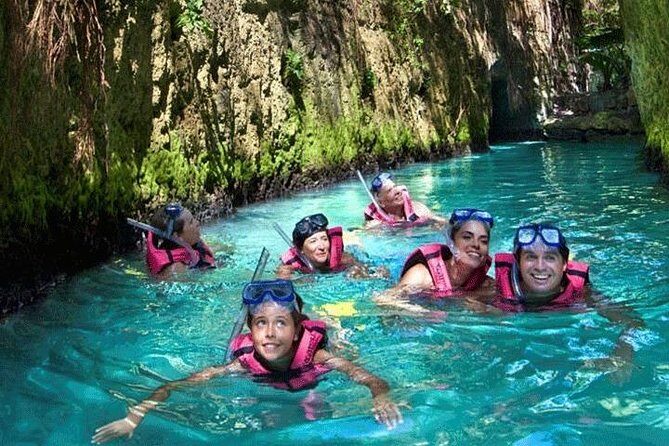
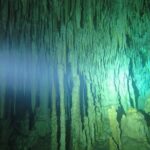
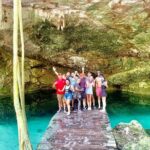
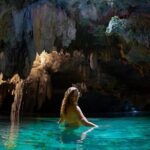
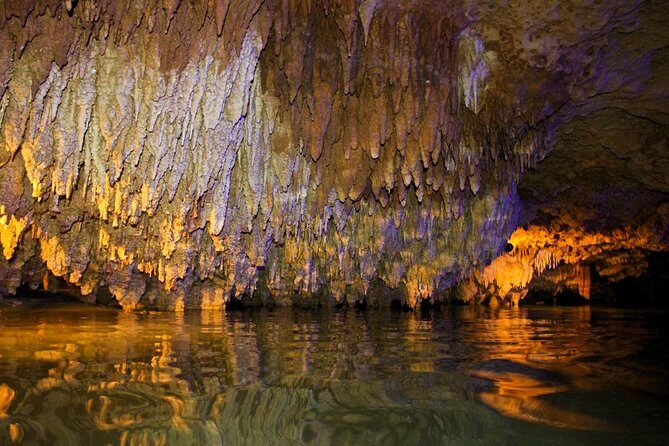
You get a chance to swim in a cenote, and it’s often described as a refreshing reset after the ride. One big practical tip: treat the cenote like a rocky shoreline. Bring water shoes if you have them. The water can be cold, and the terrain around the water can be slippery.
Time at the cenote can feel like a sprint or a sweet spot, depending on how your day flows. Some people report staying around 20 minutes, which is long enough to cool down and get a quick swim without dragging the rest of the route. If you’re the type who wants to linger with photos and slow swimming, know you might feel a little rushed.
There are also changing facilities mentioned by some visitors, plus a chance to freshen up after. Since that’s not stated as a guarantee here, I’d still plan as if you’ll need to manage your own wet-and-muddy clothes.
And yes, water shoes, a towel, and sunglasses matter. Your eyes will thank you when the air turns bright and dusty on the way out.
Akumal Monkey Rescued Animals Sanctuary: what the visit delivers
The sanctuary stop is where the tour shifts from adrenaline to meaning. You’ll visit the Akumal Monkey Sanctuary & Rescued Animals, see rescued monkeys, and hear about rescue efforts and rehabilitation. This is also where the conservation story becomes tangible—because the animals are there in front of you, not just on a poster.
I also like that the sanctuary visit isn’t framed as a speed-bump. People talk about guides using names and details about the animals and birds, and how staff care shows in day-to-day routines. Some accounts even mention encounters with other species such as macaws and snakes (as part of the sanctuary experience), as well as hands-on moments tied to the monkey bonding option.
The sanctuary office closes after 6 PM, so if your pickup pushes your schedule later, your timing can affect how comfortably you move through the day. Plan to be early on arrival day.
If you dislike rushed check-in moments, this is the part where it can happen. Some groups report delays at check-in or sitting around before the main activity chain begins. My advice is simple: show up early (the tour stresses arriving 20 minutes before), use the time to sort water, sunscreen, and clothing, and don’t count on every moment being perfectly paced.
Monkey bonding, photos, and other add-ons: budget and timing
Monkey bonding is described as an upgrade that costs extra. It’s not included in the base tour fee, and multiple accounts say it’s worth it if you want a more personal interaction. One review cited a $34 per person cost for monkey bonding.
Here’s the timing reality: if you want monkey bonding, make sure you handle it when you check in at the sanctuary. People who arrived late for add-on registration said they missed the chance on the spot and had to forgo it. So if you want bonding, treat it like a priority task, not a maybe.
Photos are another separate spend. There’s mention of souvenir photos and a photographer who takes pictures along the way, with photo purchases available for extra cost. If you’re trying to keep the budget tidy, you can skip photos. If you’re okay spending a bit for memories, factor in that the ATV and sanctuary moments will likely be photographed.
One more mandatory cost that trips people up: ATV insurance is mandatory and is listed as $15 USD per person (not per booking). In practice, it’s per vehicle, so budget based on whether you’re on singles or doubles.
Price and value check for the $159 fee
At $159 per person, this tour is priced like a full half-day adventure: ride time, an animal sanctuary visit, and a cenote swim. The value part depends on how you see the add-ons.
What you do get included:
- helmet and security glasses
- a raincoat
- hotel pickup/drop-off for selected hotels
- the admission ticket to the sanctuary
- the structure of the ATV experience with guide leadership
What costs extra:
- mandatory ATV insurance ($15 USD)
- monkey bonding (optional)
- souvenir photos (optional)
- food and drinks (not included)
Food is a tricky line. Some reviews mention basic sandwiches later in the day, but food and drinks are not listed as included. So I’d plan as if you’ll want snacks or money for something after. Carry a bottle of water if you can, and keep a light snack option in your bag so you don’t end up hungry while you’re waiting on the shuttle back.
Where this really shines is the mix of activities in one chain. You’re not just riding ATVs with a quick photo stop. You’re riding through the same region you then learn about at the sanctuary, and you end with that stark contrast of cool cenote water.
The practical packing list that saves the day
Based on the tour guidance and what people flag after the fact, I’d pack like this:
- swimsuit and towel
- sunglasses and biodegradable sunscreen
- comfortable shoes you can wear on rocky ground
- water shoes for the cenote area
- bug spray and a face covering if you’re prone to getting irritated by dust
- a dry bag or small waterproof pouch for electronics
For the ride itself, consider clothing that can handle mud. Some people wear bathing suits with shorts over, and others just lean into the dusty/muddy reality with practical gear.
If you want to keep your hands free, there’s also mention of locker rental on-site (one review cites a $3 cost). If you hate juggling a backpack, it’s worth checking when you arrive.
Who should book this ATV and monkey sanctuary tour
This tour fits best if you want:
- a guided off-road ride with structure and safety equipment
- a cenote swim break that doesn’t require a separate day trip
- an animal rescue story that’s hands-on and educational
It’s also a good pick for mixed-age groups because the passenger rules are flexible on double ATVs, and the sanctuary stop is a calmer change of pace.
I’d skip it if:
- you strongly dislike dusty conditions and don’t want to handle it with face coverings
- you have a strict low-tolerance for tight timing, since some parts of the day can feel rushed or waiting-based
- you’re only interested in monkeys and don’t want to consider an extra-cost bonding upgrade
Also, if you’re someone who needs lots of privacy, remember this is a small group tour but still a shared experience on trails and at stops.
Should you book the Akumal ATV and monkey sanctuary tour?
I’d book it if you’re looking for a real Riviera Maya adventure that combines ATV riding, a cenote swim, and a sanctuary visit with a rescue mission behind it. The animal-care component is the reason this tour feels different from pure thrill rides, and the guided setup makes it doable even if you’re not an ATV expert.
I’d think twice if you’re trying to hit a strict budget. The headline price is only the start because ATV insurance is mandatory and monkey bonding is optional. If you go in knowing that and you pack for dust or mud, you’ll have a better day—and you’ll spend less time stressed about the small stuff.
FAQ
How long is the ATV tour?
The duration is about 4 hours.
What is the price per person?
The price is $159.00 USD per person.
Is hotel pickup and drop-off included?
Hotel pickup and drop-off are included for selected hotels only. Pickup typically starts about 60 to 90 minutes before the tour time.
Do I need to pay ATV insurance?
Yes. ATV insurance is mandatory and costs $15.00 USD.
Can I choose a single or double ATV?
Yes. You can select either a single or double vehicle for the ride.
What are the age and height rules?
Minimum age to drive is 16 and you must show ID. Passengers must be at least 5 years old, with a minimum height of 1.20 meters (3 feet 9 inches). Children ages 5 to 16 may ride with an adult on a double ATV.
Is there a cenote swim?
Yes. The itinerary includes an opportunity to swim in a cenote.
Is the monkey bonding experience included?
No. Monkey bonding is not included in the base price.
What should I bring?
Bring comfortable shoes, a swimsuit, sunglasses, a towel, and biodegradable sunscreen. It’s also recommended to bring items like bug spray and face coverings for dusty conditions.
What happens if the weather is bad?
This experience requires good weather. If it is canceled due to poor weather, you’ll be offered a different date or a full refund.