REVIEW · PLAYA DEL CARMEN
Cenotes diving Dos Ojos and The Bat Cave
Book on Viator →Operated by Diversland Mexico · Bookable on Viator
Plenty of day trips promise caves. This one delivers two moods. You’ll get Dos Ojos with its bright, open swim paths, then switch to the darker, tunnel-y feel of the Bat Cave. The setup is practical too: a professional multilingual team handles briefings, gear, and the flow between sites.
Two things I like a lot: the tour is built around a short, beginner-friendly scuba approach with clear structure, and you’re not stuck starving in a cavern—there are snacks and downtime between sessions. The main thing to think about is that you’ll need scuba certification proof (and you may be turned away for medical reasons after a health questionnaire).
In This Review
- Key highlights worth knowing
- Dos Ojos and the Bat Cave: two lighting worlds in one morning
- Your day’s pace: 8:00am start, hotel pickup, and a tight 5-hour window
- Dos Ojos: the bright route, big stalactites, and why it works for beginners
- The Bat Cave: low-light tunnels, the air-filled chamber, and bat-cave atmosphere
- What’s actually happening underwater: two scuba sessions, built-in breaks, real instruction
- Who should book scuba here: certification proof and health questionnaire rules
- Snorkeling option for non-scuba people: still enjoy the cenotes
- Price and logistics: where the $210 value really comes from
- Safety and guidance that make the day feel controlled: Patrick, Ana, Dima, Elana
- The meeting point reality check: Plaza Palmeiras in the morning
- Who this tour suits best (and who should skip it)
- Should you book this Dos Ojos and Bat Cave tour?
- FAQ
- What cenotes are included in the tour?
- How long is the experience?
- Is hotel pickup included?
- What does the price include?
- Do I need scuba certification?
- Is there an option for people who don’t want to do scuba?
- How much does scuba gear rental cost if I need it?
- What are the health requirements before scuba?
- What’s the minimum age?
- Is diving within 24 hours of flying allowed?
Key highlights worth knowing
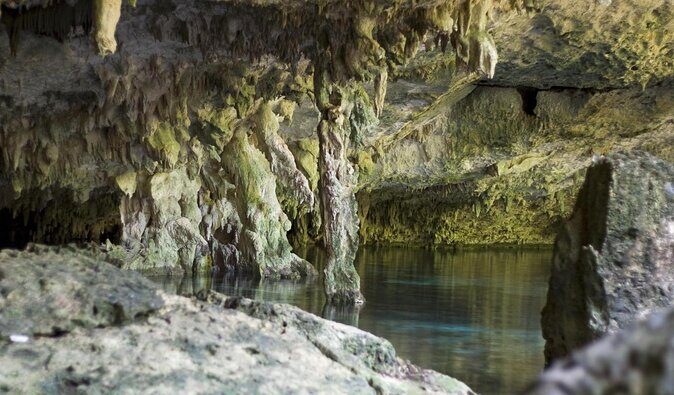
- Two cenotes, two atmospheres: bright stalactites and open space at Dos Ojos, then darker tunnels and bat-cave styling at the Bat Cave
- Private feel: it’s described as a private tour/activity, so your group won’t mix with strangers
- Non-scuba option: if you don’t do scuba, snorkeling is offered
- Pickup included in Playa del Carmen/Playacar: fewer logistics headaches in the morning
- Gear supplied: you’ll get tanks, weights, and a belt (rental gear is extra)
- Real safety culture: strong emphasis on briefings and doing it the right way, with named instructors/logistics staff in feedback
Dos Ojos and the Bat Cave: two lighting worlds in one morning
These two cenotes are the big draw, and not just because they’re famous. The contrast is the whole point.
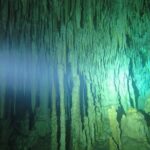
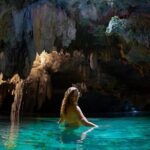
At Dos Ojos, you’ll experience what’s often described as the Barbie line: more illumination, lots of space, and impressive limestone formations hanging down like they grew in slow motion. Even if you’re new to scuba, that brighter feel helps you read the environment fast. You can look around, get comfortable with buoyancy and movement, and enjoy the stalactites and columns without feeling swallowed by darkness.
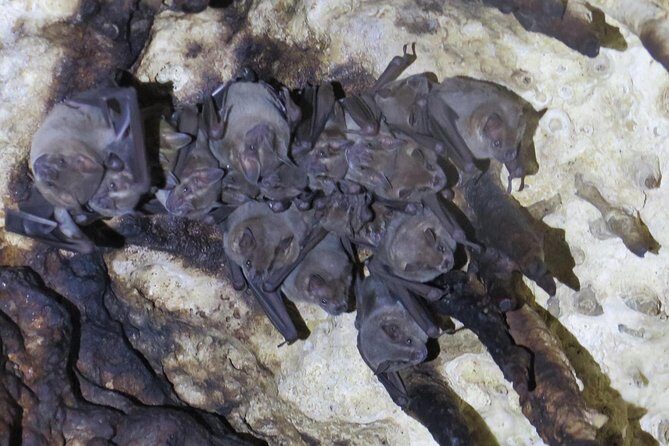
Then you switch to the Bat Cave side. This is the opposite vibe: low-light areas, tunnels, and rooms that make you feel like you’ve gone deeper than you expected. You’ll follow the route through cave-like sections and then ascend to see the air-filled bat cave chamber and the natural décor. It’s a “same cave system theme, different lighting” experience, which makes the day more memorable than doing just one site.
You can also read our reviews of more tours and experiences in Playa del Carmen.

Your day’s pace: 8:00am start, hotel pickup, and a tight 5-hour window
This tour runs about 5 hours, starting around 8:00am. That timing matters. Cenotes are more enjoyable when you’re not racing the rest of the day, and an early start usually gives you a calmer flow and less waiting around.
Pickup is included for hotels in Playa del Carmen center and Playacar, and the meeting point is Plaza Palmeiras (C. 11 Sur, Ejidal). For you, that means two things:
- You can plan a simple morning without needing a taxi hunt.
- Your group can focus on the actual underwater experience instead of logistics.
It’s also set up as a private tour/activity, meaning only your group participates. In a place like this, that’s not just comfort—it can mean less time wrangling different skill levels and more time with the instructor team doing what they do best.
Dos Ojos: the bright route, big stalactites, and why it works for beginners
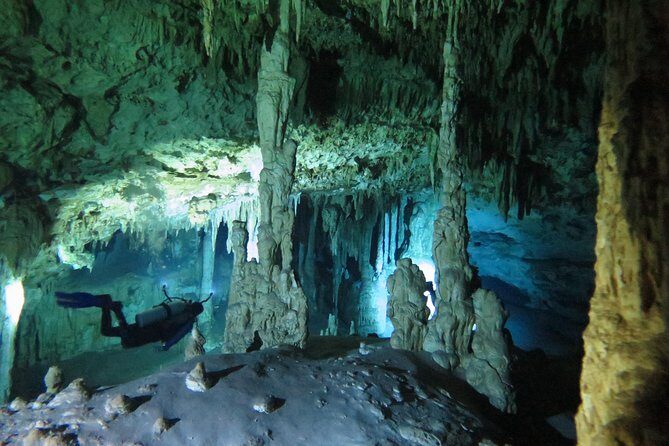
Dos Ojos is described as two caverns connected by a common area, which makes it feel varied even before you compare it to the Bat Cave. One section is brighter and more open. The highlight here is the view: huge stalactites, stalagmites, and columns where you really notice how long the rock has been shaping itself.
The “beginner-friendly” part isn’t marketing fluff. You’re not thrown into a harsh, dark maze on day one. You’ll get a space where visibility is amazing, and where the tour route is designed to help you feel confident. When conditions are clear, you can actually enjoy the formations instead of spending the whole time figuring out where you are.
A practical tip for your comfort: go slow. In bright cenotes, it’s easy to start admiring everything and then drift too quickly. Keep your movements steady, watch your depth, and let the scenery come to you.
The Bat Cave: low-light tunnels, the air-filled chamber, and bat-cave atmosphere
After Dos Ojos, the light drops. That matters for your senses. The Bat Cave section is more cave-like: lower light in some parts, plus tunnels and rooms that change the feeling from “guided swim through scenery” to “exploring a system.”
You’ll travel through the darker sections and then ascend to reach the air-filled bat cave chamber. This is where the bat-cave décor and the atmosphere really land. It’s not just about seeing bats; it’s about the moment you look up into a different kind of space, where the cave architecture and light create contrast.
If you’re the sort of person who gets mentally bothered by enclosed spaces, this is the one to consider. The route has tunnels and cave-like areas, but it’s still guided and instruction-led, with equipment and briefing support. Still, you’ll feel the darkness more here than at Dos Ojos.
What’s actually happening underwater: two scuba sessions, built-in breaks, real instruction
The tour includes 2 scuba sessions in 2 different cenotes, and the whole day is structured around doing them in a safe, learnable way.
Between sessions, there’s time to rest and enjoy snacks. That break is more than a perk. It helps you reset—hydration, breath rhythm, and keeping your energy steady. Cenote days can feel long because you’re focused the whole time, so the pause is a smart design choice.
Instruction is part of the package too. You’ll have a professional multilingual guide, and the tour is described as having a professional team on hand to offer instruction. In feedback, the briefing quality comes up again and again. A calm, clear pre-water briefing is the difference between enjoying the first minutes and feeling rushed.


Who should book scuba here: certification proof and health questionnaire rules
To participate in the certified scuba part, you’ll need scuba certification proof. The requirements mention PADI Open Water Diver or equivalent, and you’ll be asked for evidence from all divers.
Two other rules can affect your plans:
- A health questionnaire is required prior to scuba. Some pre-existing conditions (example listed includes asthma and heart conditions) may prevent you from participating. If you’re unsure, you should check with your doctor before you arrive.
- You’re also told that scuba within 24 hours of flying is not recommended.
Minimum age is 15 years for cenote scuba.
This is the right fit if:
- You’re scuba certified and want a guided, structured cenote day.
- You like learning on-site with a team that emphasizes briefings and safety.
- You want a day that mixes scenery with skills practice, without making it a hardcore expedition.
If you’re not certified, you’ll need the snorkeling option instead.
Snorkeling option for non-scuba people: still enjoy the cenotes
If someone in your group doesn’t want to do scuba, snorkeling is offered. That’s a big deal for couples and families, because you can still build a shared day plan instead of splitting the group.
The tour also notes private instruction for groups or families. So if you’re bringing people with different comfort levels, you should expect the team to adjust instruction within the constraints of the activity.
One more practical point: bring a mindset of flexibility. Even if snorkeling is offered, the water time will still be shaped by the same schedule that supports the scuba sessions. Plan for a shared “zenet day,” not a free-roam afternoon.
Price and logistics: where the $210 value really comes from
The price is $210 per person, with hotel pickup included in Playa del Carmen center and Playacar. The tour also includes:
- Bottled water and snacks
- Private group
- 2 tanks, weights, and belt
- Professional multilingual guide
- 2 cenote scuba sessions
- All fees and taxes
Equipment rental isn’t included; it’s listed as $15 USD/day if you need rental gear. Diving insurance is also optional.
So is $210 a good value? For cenotes, it can be, because you’re paying for more than “entry to a site.” You’re paying for:
- Two distinct cenotes in one coordinated day
- Instructor-led guidance and briefings
- Transportation pickup within the Playa/Playacar zone
- The included underwater gear basics (tanks, weights, belt)
If you already own your own scuba equipment and you’re local to the pickup area, you’ll feel the value even more. If you need lots of rentals, then factor in that extra $15/day into your total budget.
Safety and guidance that make the day feel controlled: Patrick, Ana, Dima, Elana
In feedback, one theme is loud: the organization feels tight, and the safety culture feels real. The tour provider is Diversland Mexico, and names that come up include Patrick for the overall diving leadership, Ana for logistics and planning, and Dima for humor and deep know-how.
Those roles matter because a cenote day isn’t only about what you see. It’s also about when you gear up, how you handle timing between sites, and how the team communicates in the moment. When the briefing is clear, you spend more time enjoying the formations and less time mentally troubleshooting.
Also worth noting: Elana is mentioned as an instructor for a refresher course. If you’re a certified diver who hasn’t been in the water recently, that kind of patient refresher approach can be valuable. Even if you don’t take a separate course, it’s a good sign that the team supports skill refreshers and careful instruction.
The meeting point reality check: Plaza Palmeiras in the morning
Your start is 8:00am. The meeting point is Plaza Palmeiras (C. 11 Sur, Ejidal), Playa del Carmen. Your day ends back at the meeting point.
That means you should plan to be on time rather than “kinda close.” Cenote tours move on schedule because you’re working around travel time and getting everyone ready for the water sessions. Build in buffer time, especially if you’re staying outside the pickup zone.
If you’re getting hotel pickup in Playa del Carmen center or Playacar, that reduces the risk. Still, knowing the exact meeting point helps if you need to coordinate on the day.
Who this tour suits best (and who should skip it)
This is a smart choice if you want:
- Two cenotes without arranging separate trips
- A day paced to include rest and snacks
- A guided structure that supports comfort, especially in the clearer Dos Ojos section
- The option for a non-scuba person to snorkel
It may not fit if:
- You’re not ready to provide scuba certification proof
- You have medical concerns that might affect participation after the health questionnaire
- You’re very uncomfortable with darker tunnel sections, since the Bat Cave portion is less light-heavy than Dos Ojos
Also, if you want a slow, independent “wander and explore” day, this format won’t be your match. This is guided and schedule-driven.
Should you book this Dos Ojos and Bat Cave tour?
I’d book this if your ideal cenote day looks like: clear water, excellent scenery, and a guided plan that keeps the day smooth. The combination of two radically different cenote atmospheres, hotel pickup, and a private group feel makes it more than a simple ticket.
I’d pause and reconsider if you’re unsure about medical clearance or if you don’t have the required scuba certification proof. And if you’re sensitive to darker cave sections, think about how you handle enclosed, low-light spaces.
If your plans fit those boxes, this $210 tour looks like a solid value: you’re getting the logistics, instruction, and gear basics wrapped into a tight timeline—so you can spend your energy on the rock, the light, and that moment when the cave changes again from Dos Ojos to the Bat Cave.
FAQ
What cenotes are included in the tour?
You’ll visit Dos Ojos and the Bat Cave, with two separate scuba sessions in two different cenotes.
How long is the experience?
The duration is listed as about 5 hours.
Is hotel pickup included?
Yes. Pickup is included for hotels in Playa del Carmen center & Playacar.
What does the price include?
The tour includes tanks, weights and belt, a professional multilingual guide, 2 cenote scuba sessions, bottled water and snacks, and all fees and taxes.
Do I need scuba certification?
Yes. Evidence of scuba certification is required for anyone participating in certified scuba (noted as PADI Open Water Diver or equivalent).
Is there an option for people who don’t want to do scuba?
Yes. For those who don’t dive, snorkeling in the cenote is offered.
How much does scuba gear rental cost if I need it?
Equipment rental is listed as $15 USD/day.
What are the health requirements before scuba?
You’ll complete a health questionnaire before scuba. Some medical conditions (example listed includes asthma and heart conditions) may prevent you from participating, so it’s worth checking with your doctor if you have concerns.
What’s the minimum age?
The minimum age is 15 years for cenote scuba.
Is diving within 24 hours of flying allowed?
It’s stated that scuba within 24 hours of flying is not recommended.