REVIEW · PLAYA DEL CARMEN
Cenote Diving – 2 Tank Dive Trip for Certified Divers
Book on Viator →Operated by Scuba Mobile Dive Center · Bookable on Viator
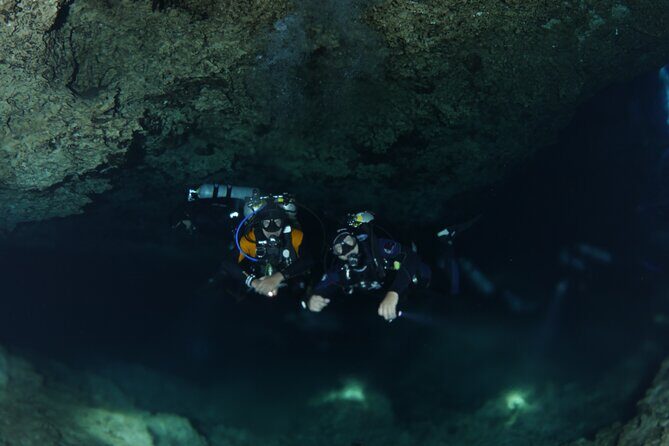
You’ll go from Playa to an underwater world fast. This 2-tank cenote trip is built for certified scuba participants who want a structured day, a guided setup, and that strange-feeling caverns vibe that people talk about after the last buoy is back on shore. I love the small group size (up to 8) and how the guide leads with a real briefing on the environment and procedures, not just a quick wave-off. The permanent lines inside the caverns also make the experience feel more organized and less guessy. One thing to plan for: cenotes are privately owned, so camera rules and entrance fees can add cost on the day.
The format is simple and you’ll know what you’re signing up for: meet, paperwork, gear fitting, then a truck ride to the cenote, two ~45-minute underwater sessions, and a decent surface break with snacks and a sandwich. I also like that you’re limited to 50 feet (15m) max depth and follow established lines, which helps keep your focus on buoyancy and comfort. A possible drawback is eligibility: you must have recent experience and be able to show proof of certification, and you’ll need good weather since the outing depends on it.
If you’re certified, reasonably comfortable in open water, and you like the idea of moving through caverns with guidance, this is one of the better ways to see cenotes without turning the day into chaos. Just double-check camera expectations and bring cash for the entrance fee, because those details can change depending on which cenote you visit.
In This Review
- Key highlights you’ll feel right away
- Meeting in Playa del Carmen: what the morning really looks like
- The 45-minute truck ride to Chac Mool or Dos Ojos
- The briefing: permanent lines and procedures before anything goes underwater
- First underwater session (about 45 minutes): what you should watch for
- The surface interval (~45 minutes): snacks, sandwich, and regrouping
- Second underwater session (about 45 minutes): make it calmer, not rushed
- Price and extra fees: where the real cost comes from
- What’s included
- What costs extra
- Is it good value?
- Gear you might need (and the part you shouldn’t skip)
- Who this cenote trip fits best
- Tips for a smoother day in cenote caverns
- Should you book this 2-tank cenote scuba trip?
- FAQ
- What certification do I need for this cenote scuba trip?
- How long is the trip, and how many underwater sessions are included?
- What’s the maximum depth during the sessions?
- Are tanks, weights, and the underwater light included?
- What equipment is available for rental, and what does it cost?
- Do I have to pay a cenote entrance fee?
- What about cancellation and weather?
Key highlights you’ll feel right away
- Up to 8 people, so the day stays organized and you won’t feel lost in a crowd
- Two ~45-minute underwater sessions in one cenote with a planned surface interval of about 45 minutes
- Permanent lines inside the caverns and a max depth of 50 ft / 15m
- Full briefing by a full cave diver and open-water scuba instructor, so procedures are explained clearly
- Snacks + sandwich + water/soft drinks during the surface interval
- Underwater light rental included, which is a practical win for cave-style environments
Meeting in Playa del Carmen: what the morning really looks like
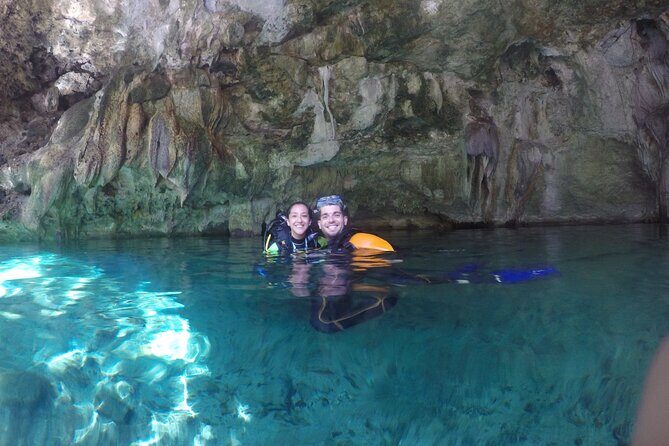
This starts in Playa del Carmen at Calle 4 Norte (Centro). The pickup time is 8:00am, and the whole schedule runs about 7 hours, returning back around 3:30pm. After you meet at the operator’s office, you’ll do the usual: paperwork, then gear fitting so you’re not wrestling equipment on the side of a road later.
This part matters more than people think. In cenotes, the first few minutes set the tone. If your mask feels off, your buoyancy isn’t dialed, or you’re still figuring out straps, you’ll feel it underwater. The pre-trip fitting and the guided briefing help you start the day with fewer distractions.
You also get that small-group feel from the start. With a maximum of 8 people, you can usually expect less waiting and fewer bottlenecks at the gear stage. And since it’s offered in English, you should have no problem following the instructions and asking questions if something doesn’t make sense.
You can also read our reviews of more tours and experiences in Playa del Carmen.

The 45-minute truck ride to Chac Mool or Dos Ojos
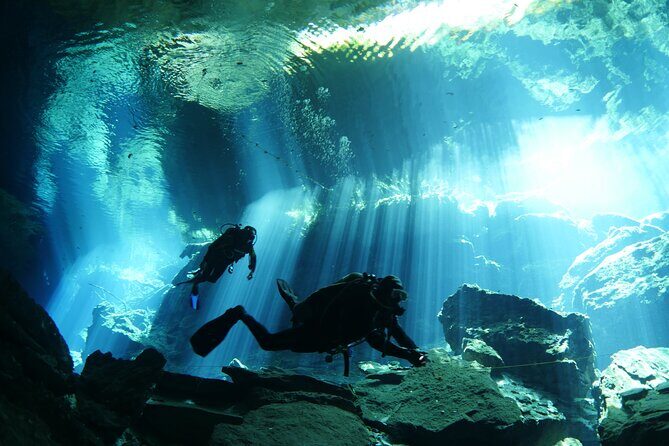
Once you’re set, you’ll jump in the truck for about a 45-minute drive to the chosen cenote of the day. The operator may take you to sites such as Chac Mool or Dos Ojos—you’re not stuck with only one option.
Here’s why that matters for your planning: cenotes are privately owned, and the rules and fees vary by site. You’ll see that quickly in the cost section later, where entrance fees differ (and are paid in cash). So while the transportation part is straightforward, it’s also where you should mentally switch from Playa logistics to cenote logistics.
If you’re the kind of person who likes a plan, this is a good match. You know you’re leaving at 8:00am, driving around 45 minutes, and returning by about 3:30pm. That helps if you’re pairing this with lunch afterward, a late afternoon activity, or just a long, earned rest.
The briefing: permanent lines and procedures before anything goes underwater
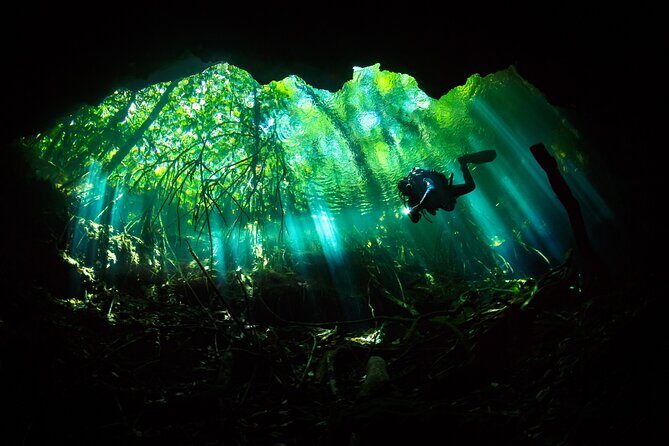
At the cenote, your guide—a full cave diver and open water scuba instructor—gives you an informative briefing focused on the environment and procedures. That pairing is a big deal. Cave-diver training brings strong comfort with line work and navigation, while open-water instructor experience usually means clearer coaching and calmer instruction flow for certified students.
You’ll learn how the underwater sessions are run: you’ll be following permanent lines inside the caverns. Those lines act like a fixed reference system, which helps with orientation in a place that can feel visually confusing. It’s not about “spooky cave vibes.” It’s about structure, safety habits, and keeping the group moving together without guessing.
You also get the dive parameters stated for this outing. The maximum depth is 50 feet (15m). That matters because it tells you the trip is designed around controlled conditions rather than pushing you deeper. In practice, that usually means less pressure on gear management and more focus on being comfortable.
First underwater session (about 45 minutes): what you should watch for
Each underwater session runs around 45 minutes, and there are two sessions total at the same cenote. On the first one, you’ll follow those established lines while your guide keeps an eye on how you’re moving, breathing, and maintaining position.
What you should focus on early:
- Get your buoyancy stable fast, so you’re not fighting the water
- Stay close to the line system and follow the group pace
- Keep your head and hands calm—you’ll see plenty, but you don’t need to chase every light effect
Cenote lighting is a real thing. Light changes how you perceive depth, distance, and depth perception in caverns. That’s why underwater light rental is included. You can think of it as not just gear, but part of the experience design. It helps you see what you’re supposed to be seeing while still relying on the line structure.
Also, remember this is not a “random swim.” It’s guided and procedure-based. If you’ve only done open water lately, this structure can feel refreshing. You’re not responsible for planning routes; you’re responsible for staying controlled and paying attention.
The surface interval (~45 minutes): snacks, sandwich, and regrouping
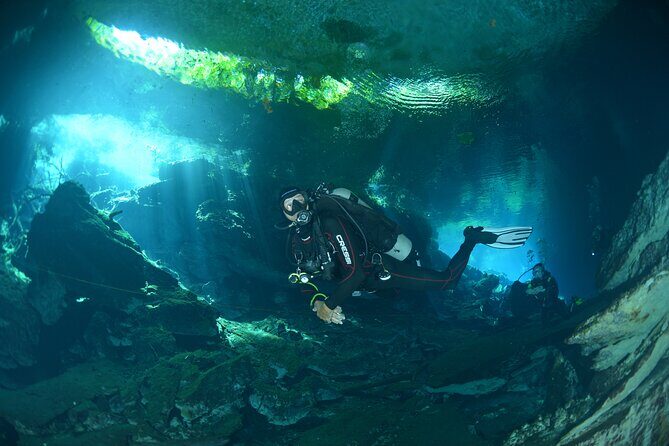
After the first underwater session, you’ll come back up for a surface interval of around 45 minutes. During that time, refreshments and snacks are offered, plus a sandwich. You’ll also have a little mental reset before the second session.
This break is one of the most underrated parts of the day. Two back-to-back sessions can be tiring even for fit, experienced scuba participants. The surface interval gives you time to:
- Check your gear and comfort level
- Hydrate and eat something real
- Ask quick questions if you noticed anything on the first session
From a value standpoint, this is where you feel the “2-tank trip” is more than just time underwater. The food and drinks keep energy stable so the second session isn’t just a repeat performance. And because it’s included, you won’t be scrambling for a snack while the group is still planning their second entry.


Second underwater session (about 45 minutes): make it calmer, not rushed
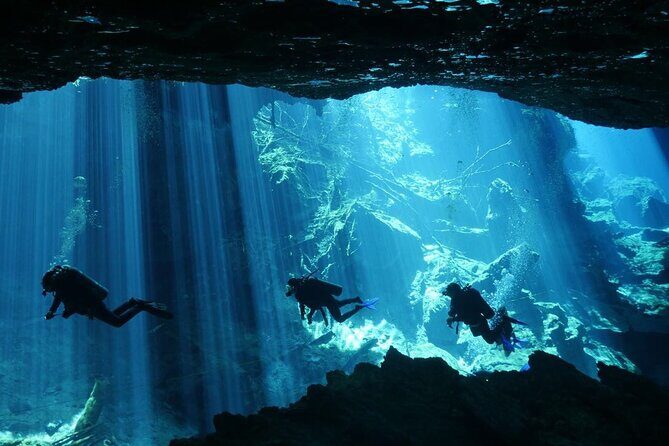
The second underwater session follows after the surface break, again around 45 minutes. The best way to enjoy the second portion is to use the first one as a warm-up: you’ll already know what your body feels like in this environment, what your buoyancy feels like, and how the line-following rhythm works.
If you want this to feel special (and not just “another checklist hour”), focus on slowing down your decision-making:
- Don’t over-adjust your body position every few seconds
- Keep your attention on what your guide is doing with the group
- Let the environment come to you through the line route and lighting
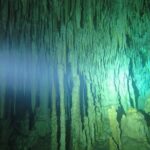
This is where the overall “other world” feeling shows up. Even with controlled depth, cenote caverns can look unreal—shapes, shadows, and water-stillness that don’t match anything at the surface.
Also, since the max depth is capped at 50 feet / 15m, you can keep your brain on comfort and navigation rather than managing bigger depth jumps. That makes the second session feel like a continuation, not a new challenge.
Price and extra fees: where the real cost comes from
Here’s the part I like to clarify up front, because cenote days can surprise you at checkout time.
What’s included
You’ll get:
- 2 underwater sessions at one cenote
- Tanks and weights
- Roundtrip transportation to the cenote site from the operator’s meeting point
- Water and soft drinks
- Snack and sandwich during the surface interval
- Underwater light rental
This inclusion list is pretty practical. Tanks, weights, and transportation remove the biggest hassle blocks. The under-the-hood win is the light rental—this environment typically doesn’t reward showing up unprepared.
What costs extra
Two common add-ons:
- Full scuba equipment rental: 25 USD for a full set (BCD, regulator, scuba computer, wetsuit, mask, fins)
- Cenote entrance fee (cash only):
- Chac Mool: 300 MXN
- Dos Ojos: 600 MXN
And cameras can add another layer. Cenotes are privately owned, and rules vary. Some don’t allow camera use at all. Others charge for camera use, with prices that can range from 20 USD to 60 USD depending on camera.
Is it good value?
It’s good value if you:
- Don’t want to organize transportation and equipment
- Like the structured format (two sessions, fixed line route, capped depth)
- Appreciate that snacks and a sandwich are included
- Plan ahead for cash entrance fees and any camera charges
If you show up without recent scuba practice or you want to bring a camera without checking rules, the day can get expensive fast. So budget for entrance fees and be smart about camera planning.
Gear you might need (and the part you shouldn’t skip)
The good news: if you rent, the full set includes the core items you’ll rely on—BCD, regulator, wetsuit, mask, fins, and a scuba computer. That can simplify packing, especially if you’re arriving from elsewhere in Mexico with only a day bag.
Also, since weights are included, you’ll just need to get sized and fitted correctly. A wetsuit helps with comfort in cooler water conditions, and a good mask fit prevents fogging and leaks that can turn a calm session into a distraction.
The rental list is a clue about what the operator expects. This outing is for people who can already operate confidently in open water conditions. The moderate physical fitness note is also real—transport and the water work mean you’ll be moving a bit, not just sitting around.
Who this cenote trip fits best
This is designed for certified scuba participants. The key requirements:
- Minimum Open Water certification from a recognized agency
- You must have dived underwater within the last 6–12 months (the additional info also states within the last 12 months)
- You need to show proof of certification
- You should have moderate physical fitness
The trip also caps at 8 travelers, which makes it a better fit than big, chaotic groups if you prefer personal attention.
I’d say it’s a strong match for:
- Open-water scuba participants who want a step toward more structured cave-style environments
- People who feel comfortable buoyancy-wise and follow procedures well
- Anyone who likes the idea of permanent lines and a capped depth rather than improvising
It may not be the best choice if you haven’t logged recent water time, if you’re uncomfortable under pressure, or if you want a free-form sightseeing swim without procedure.
Tips for a smoother day in cenote caverns
A few practical moves will make this trip feel easier from start to finish.
1) Bring proof of your certification. If you can’t show it, you’ll lose time at the start when the day is already running on a schedule.
2) Plan camera rules before you pack it. Since some cenotes don’t allow camera use and others charge 20–60 USD, decide ahead of time whether you really need to bring one.
3) Treat buoyancy like your top priority. You’re following lines, so your body position needs to be stable. If you feel floaty or sinky, ask for quick coaching at the start rather than struggling silently.
4) Hydrate during the surface interval. It’s included, but don’t rely on snacks alone. A light snack and a sandwich help, but water/soft drinks matter for feeling good on the second session.
5) Wear gear that doesn’t fight you. If you’re renting, get fitted carefully. If you’re bringing your own setup, make sure it’s working and comfortable before you arrive.
Should you book this 2-tank cenote scuba trip?
I’d book it if you want a guided, structured day in cenote caverns with two ~45-minute underwater sessions, permanent line navigation, and a 50 ft / 15 m cap, all wrapped into a small-group format. The included snacks, sandwich, and under-water light rental also add real comfort and value.
I’d think twice if you:
- Haven’t had recent scuba time (you need proof you’ve been underwater within the last 6–12 months)
- Want to bring a camera without checking rules and fees first
- Prefer deep, open-ended exploration without procedures and line work
Overall, this is the kind of outing that works best when you show up prepared, follow the guide, and let the environment do the talking. When it clicks, the caverns genuinely feel like another world.
FAQ
What certification do I need for this cenote scuba trip?
You must have at least Open Water certification from a recognized agency and be able to show proof. You also need to have had recent underwater experience within the last 6–12 months (the info also states within the last 12 months).
How long is the trip, and how many underwater sessions are included?
The trip runs about 7 hours. It includes two underwater sessions at one cenote, each around 45 minutes, plus a surface interval of about 45 minutes after the first session.
What’s the maximum depth during the sessions?
The maximum depth on these sessions is 50 feet (15m).
Are tanks, weights, and the underwater light included?
Yes. Tanks and weights are included, and there is an underwater light rental included as well.
What equipment is available for rental, and what does it cost?
You can rent a full scuba equipment set for 25 USD. The rental includes a BCD, regulator, scuba computer, wetsuit, mask, and fins.
Do I have to pay a cenote entrance fee?
Yes. Entrance fees depend on the cenote and are cash only. Chac Mool is 300 MXN and Dos Ojos is 600 MXN.
What about cancellation and weather?
You can cancel for free up to 24 hours in advance for a full refund. The activity requires good weather, and if it’s canceled due to poor weather you’ll be offered a different date or a full refund. It can also be canceled if the minimum number of travelers isn’t met, with an alternative date/experience or a full refund.