REVIEW · COZUMEL
Authentic Mayan Cooking Class in Cozumel
Book on Viator →Operated by Ix Kool · Bookable on Viator
Your meal starts before the first spice.
This Authentic Mayan Cooking Class in Cozumel is part food lesson and part culture experience, with a short Mayan ceremony and a mix of video and live instruction before you eat. I like that it gives you both the “why” behind the flavors and the “how” for recreating dishes later.
I also love the hands-on feel. You’ll work on elements like tortillas and spice mixes (and you’ll likely make things like guacamole and salsa-style preparations), then sit down to a proper multi-course meal featuring dishes such as beans with pork, cochinita pibil, sikilp’aak, and cornbread.
A key consideration: the room can get noisy, so you may want to position yourself so you can hear the guide clearly.
In This Review
- Key Highlights You’ll Care About
- A Mayan Cooking Class That Feels Like Culture, Not a Show
- Where It Happens: Ix Kool by the Cruise Port
- Before You Cook: Ceremony, Video, and the Flavor Map
- Hands-On Cooking: Tortillas, Spices, Guacamole, and Salsa-Style Flavors
- Small hygiene reality check
- The Menu: What You’ll Actually Eat (And Why It Matters)
- Beans with pork
- Cochinita pibil
- Sikilp’aak
- Cornbread (corn-based dessert)
- What else may appear
- The Culture Piece: More Than Recipes, Less Than a Museum
- Timing, Group Size, and Why Private Can Be Worth It
- Price and Value: How $60.99 Plays Out in Real Food Time
- Who This May Be Perfect For (And Who Might Be Less Happy)
- Should You Book This Mayan Cooking Class in Cozumel?
- FAQ
- How long is the Mayan cooking class?
- How much does it cost?
- Is the class offered in English?
- Is it a private class?
- What dishes are on the menu?
- What is the meeting point?
- Is there free cancellation?
- What if weather is bad?
Key Highlights You’ll Care About
- Mayan ceremony plus live cooking instruction before you eat
- Real hands-on moments like tortillas and grinding spices
- A full menu: beans with pork, cochinita pibil, sikilp’aak, corn-based dessert
- Modern, clean Ix Kool setting with a professional presentation video
- Private class option for a more personalized pacing
- Lots of food and included drinks, so come hungry
A Mayan Cooking Class That Feels Like Culture, Not a Show
If you’ve done tours where you watch someone else do everything, this one can hit differently. The format is built around teaching you the foods, ingredients, and cultural context behind them, then letting you participate in portions of the cooking process.
I’m drawn to the way the experience links cooking with identity. In this class you don’t just learn recipes—you learn the logic of Mayan flavors and ingredients, like how sour orange and achiote/axiote-style spices show up in regional preparations, and why corn-based foods matter so much.
The best part for most people is that the learning ends with an actual meal. You get to enjoy what you’re taught rather than walking away hungry with a folder of notes.
You can also read our reviews of more cooking classes in Cozumel
Where It Happens: Ix Kool by the Cruise Port
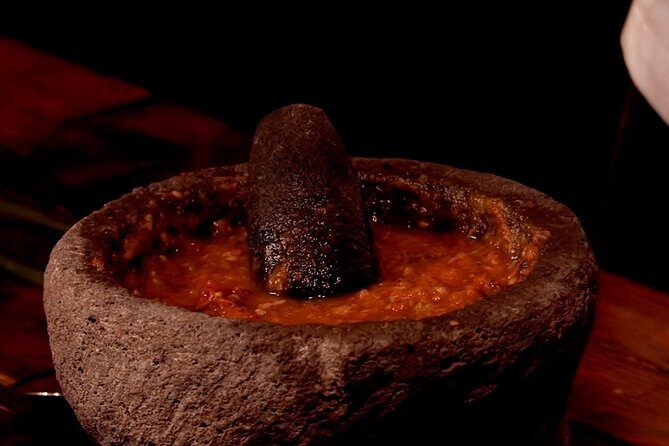
The class meets at Av. Rafael E. Melgar 1, El Parque, 77675 Cozumel, Q.R., Mexico, and it ends back there too. In practice, you’ll be going to Ix Kool, a restaurant located in a mall-style area close to the cruise port zone, which makes it workable even if your ship day is tight.
A couple practical pointers from what I’ve seen people deal with: the address can be a little confusing, so use the name Ix Kool in your navigation and aim for the cruise-port side rather than the far end of the island. Many people find it very close to the southern cruise area; if you’re starting from Punta Langosta, a short taxi ride is often the easiest plan.
One nice perk: it’s a modern, clean space. That matters because a cooking class is easier to enjoy when you can actually see what’s going on and the room doesn’t feel chaotic.
Before You Cook: Ceremony, Video, and the Flavor Map
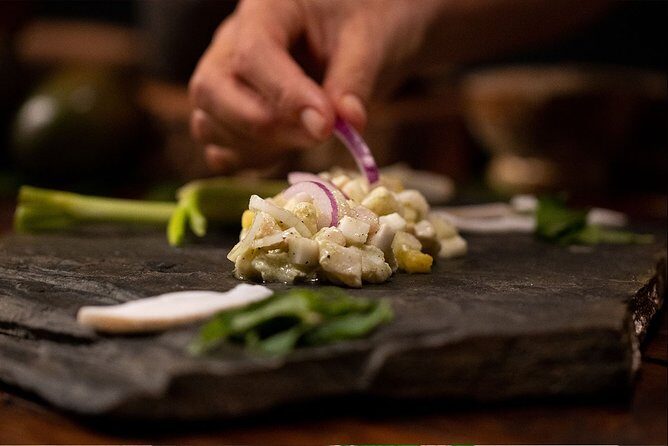
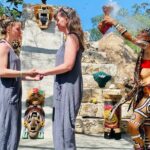
The experience usually starts with a cultural introduction that sets the tone. Expect a Mayan ceremony with dancers before the meal segment, plus an explanation of links between Mayan food traditions and outside influences. It’s a quick start, but it frames why the menu looks the way it does.
Then you get instruction that mixes in a professional video presentation with in-person guidance. The video helps you understand the “big picture” of Mayan cuisine and where ingredients like corn and traditional spice blends fit in. Hands-on steps typically follow, so you’re not stuck in a lecture-only mode.
Do pay attention early, especially to the ingredient names. You’ll be eating and tasting soon, and the class aims to help you recreate dishes later. If you’re the type who wants to cook again at home, this is where you start building your ingredient vocabulary.
Hands-On Cooking: Tortillas, Spices, Guacamole, and Salsa-Style Flavors
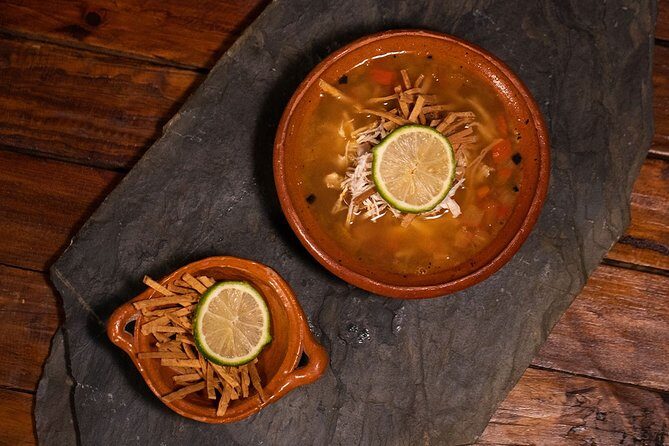
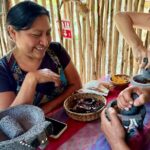
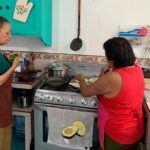
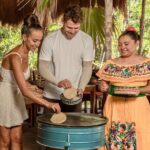
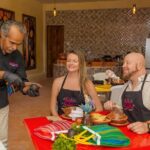
This is where the class can feel most fun. Many people highlight that you don’t just watch from the sidelines—you take part in key preparation steps.
You may get to work on things like:
- Corn tortillas, including hands-on assembly
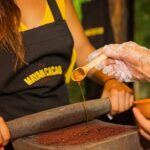
- Grinding spices (people often specifically mention grinding pumpkin seeds used in a prepared dish)
- Guacamole
- Salsa-style preparations, including preparations described as tomato and pumpkin seed-based spreads, and a smoked-salsa approach mentioned in some versions of the class
- Mixing or assembling certain parts of the menu while the restaurant team handles the rest
A fair heads-up: the level of hands-on cooking can vary. Some people find it more “participate in key steps” than “cook everything from scratch on your own stove.” That doesn’t make it bad, but it does change what you should expect if you’re hoping for heavy knife work and constant stove time.
Also, since the space can be loud, choose a spot where you can hear the guide. If you struggle with audio, plan to watch the motions and follow along visually. The structure is still built to make the process understandable.
Small hygiene reality check
Some people mention that everyone handles tortillas by hand, and they note that hand washing isn’t clearly emphasized before food prep. If you’re sensitive to that, it’s reasonable to be selective about what you eat that’s directly handled during the session.
You can also read our reviews of more tours and experiences in Cozumel

The Menu: What You’ll Actually Eat (And Why It Matters)
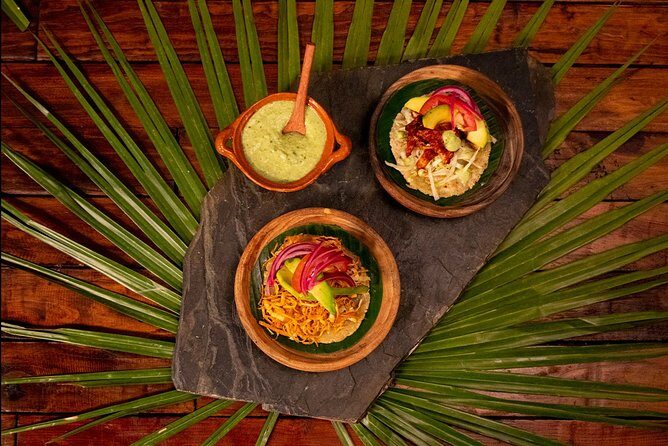
The class centers on a menu that showcases core Mayan and regional ingredients. Based on the provided menu, you can expect a meal with these featured dishes:
Beans with pork
This is a comfort-meets-tradition kind of starter main. The point isn’t just taste—it’s that beans with pork use basic ingredients strongly associated with the Mexican southeast. You’re tasting something that’s both old-school and practical, built around flavors that travel well and stretch a meal.
Cochinita pibil
This is one of the signature plates people come for. Cochinita pibil is typically marinated with sour orange juice and red spices using achiote/axiote-style seeds, which gives it that deep color and distinctive earthy tang. In the context of the class, it’s a great example of how Mayan-rooted ingredients combine with techniques that create layers of flavor.
Sikilp’aak
Sikilp’aak is described as a typical Mayan snack widely consumed in the region and not found in other parts of Mexico. It’s also a useful dish for learning, because it shows corn and seed-based ideas in a snack format rather than a big main.
Cornbread (corn-based dessert)
This dessert keeps the theme consistent: corn isn’t just savory here. It’s a reminder that corn is a foundation ingredient across sweet and savory menus, not a single-dish gimmick.
What else may appear
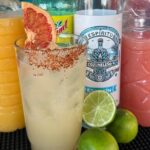
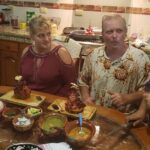
Depending on the flow of your session, you might see additional items and drinks beyond the sample menu. People mention multiple courses, included drinks like margaritas in some sessions, plus other elements such as soups, corn tortillas, and different salsa-style spreads. The recurring theme is that you leave satisfied, not just “tasted a bite.”
The Culture Piece: More Than Recipes, Less Than a Museum
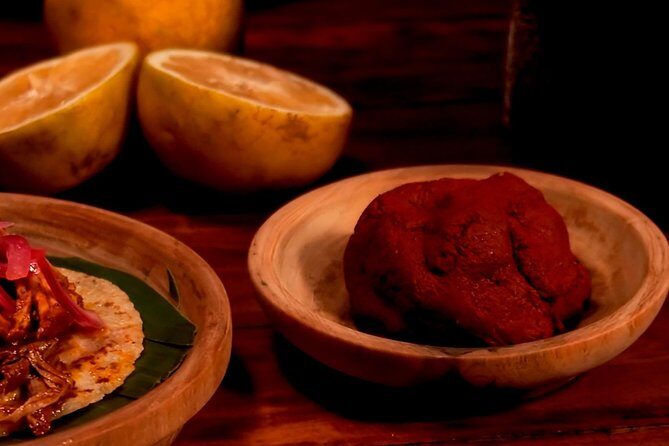
The best cooking classes explain why ingredients matter. Here, the cultural framing is tied to the experience rhythm: ceremony, video, live prep, then eating. That’s a smart way to keep it moving, especially if you’re on a cruise schedule.
You’ll hear connections between Mayan traditions and outside impacts, but the focus stays on food. The goal isn’t to turn your afternoon into a long lecture. It’s to help you understand the logic of flavor—corn, seeds, sour notes, and spice blends—and then taste it.
Also, people often mention that instructors do more than stand back and talk. Guides like Paco and Juan come up in feedback for keeping the vibe friendly and animated, while still providing clear instruction.
Timing, Group Size, and Why Private Can Be Worth It
Your duration is about 2 hours 45 minutes. That’s long enough to cover setup, ceremony and video, active steps, then a sit-down meal without feeling rushed.
This is also a private tour/activity, meaning only your group participates. If you like asking questions, having a guide respond directly, or you’re traveling with kids and want pacing that actually works, private can be a big deal. Some people even mention their class size feeling small, which makes instruction easier to follow.
Choose a time that fits your energy level. If you’re coming from ship tours, plan to arrive early enough to settle in and find the spot without stress. One of the most consistent “practical” tips is simple: don’t eat breakfast beforehand if you want to enjoy the full menu.
Price and Value: How $60.99 Plays Out in Real Food Time
At $60.99 per person for roughly 2 hours 45 minutes, this class is priced like a full experience, not just a quick tasting. You’re paying for: instruction, included preparation support, a multi-course meal, and cultural programming (ceremony plus video segment).
Here’s how that value holds up in practical terms:
- You eat real dishes, not just samples.
- You participate in key steps, so it’s more than watching.
- You get drinks included in some portion of the session, depending on timing and setup.
- The setting is not a street stall. People describe Ix Kool as clean and modern, which helps when you’re paying for comfort and organization.
If you compare it to “just a meal with entertainment,” this is usually a better deal because the class portion gives you context—and that context makes the food more memorable. If you compare it to a super technical cooking workshop where you do every single step yourself, it may feel lighter. But for most people, that balance is exactly right.
Who This May Be Perfect For (And Who Might Be Less Happy)
This class is ideal if you want:
- A hands-on cultural food experience in Cozumel
- A solid introduction to Mayan-rooted flavors using corn, seeds, and spice blends
- A meal that feels worth your time when you’re on a cruise day
- A chance to recreate dishes later, since the emphasis is on learning processes and recipes
It may not be ideal if you’re expecting:
- A quiet, hushed cooking studio where you can hear every word with no distractions
- A fully independent cooking course where you do all chopping, heating, and plating start to finish
It also helps to know that some people had trouble hearing the video or found the room noisy. That doesn’t ruin the meal, but it can affect how much you feel you learned in the moment.
Should You Book This Mayan Cooking Class in Cozumel?
I’d book it if you’re the kind of person who likes food with a story and you want an afternoon that’s both enjoyable and practical. The strongest case for booking is the combo: ceremony + guided instruction + a multi-course meal with dishes like cochinita pibil and sikilp’aak.
I’d pause if you’re very sensitive to noise or you need a fully hands-on cooking experience where you do everything. In that case, I’d still consider it—but go in expecting participation in key steps, not total control of every station.
Bottom line: at $60.99, this is good value when you want a genuine cultural meal you can talk about later, and possibly cook again at home.
FAQ
How long is the Mayan cooking class?
It runs for about 2 hours 45 minutes (approx.).
How much does it cost?
The price is $60.99 per person.
Is the class offered in English?
Yes, it’s offered in English.
Is it a private class?
Yes. It’s listed as private, so only your group participates.
What dishes are on the menu?
The provided sample menu includes beans with pork, cochinita pibil, sikilp’aak, and corn-based cornbread dessert. Other courses and drinks may also be included depending on the session.
What is the meeting point?
The start is at Av. Rafael E. Melgar 1, El Parque, 77675 Cozumel, Q.R., Mexico, and it ends back at the meeting point.
Is there free cancellation?
Yes. You can cancel for a full refund up to 24 hours in advance.
What if weather is bad?
This experience requires good weather. If it’s canceled due to poor weather, you’ll be offered a different date or a full refund.