REVIEW · COZUMEL
2 Tanks dives for Certified Divers in Cozumel
Book on Viator →Operated by Cozumel Divers · Bookable on Viator
Two tanks and two reefs make Cozumel feel endless. This 4-hour outing for certified scuba participants is built around a smooth boat day: meet near Marina Fonatur, get set up, then spend time at Palancar Reef plus a second nearby reef stop, with a light lunch break between. I also like how the guides focus on spotting life underwater, and how the boat setup feels personal, not crowded.
The only real catch is the fine print: you’ll want moderate physical fitness, and this is for certified scuba participants only. Also, the experience depends on good weather, so plan to be flexible if conditions force a change.
In This Review
- Quick hits before you go
- Cozumel’s Two-Tank Rhythm: What This Trip Actually Delivers
- Getting to the Start: Carr. Costera Sur, 2 km, 8:00 am
- Boat Day Flow: Instructions, then Two Reef Stops
- Stop 1: Palancar Reef and Why It’s a Smart First Choice
- What could be a drawback here?
- Lunch Break Between Tanks: A Real Recovery Pause
- Stop 2: The Second Reef, Often in the Palancar-to-Casa Blanca Mood
- A note on variety
- The Crew Makes It Feel Small: Arianna, Lola, Roberto, Lobo, and Lorenzo
- Gear Quality and Confidence Checks (Especially for Certified Scuba Participants)
- Marine Life You Can Actually Expect to Look For
- Timing and Fitness: The Stuff That Can Affect Your Comfort
- Price and Value: What Makes This One Worth Comparing
- Who This Is Best For (and Who Might Want a Different Plan)
- Should You Book This 2-Tank Certified Scuba Experience in Cozumel?
- FAQ
- Where is the meeting point for this Cozumel experience?
- What time does the tour start?
- How long does the 2-tank experience last?
- Is this tour for certified scuba participants only?
- What language is the experience offered in?
- How many people are on the trip?
- What reefs are included?
- Is there food included during the break?
- What marine life might I see?
- What happens if the weather is bad?
Quick hits before you go
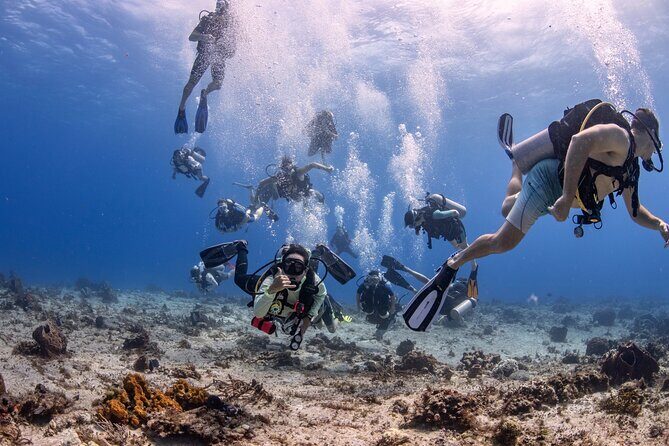
- Small boat feel (max 5 travelers): more attention, less waiting around.
- Palancar Reef first: a go-to Cozumel site with big coral structure and lots to watch.
- Light lunch between tanks: you’re not just rushing from one spot to the next.
- Guides who point things out: from sharks and turtles to tiny critters you might miss.
- Mobile ticket included: easier check-in once you arrive.
- English-speaking staff: helpful if you want clear, straightforward guidance.
Cozumel’s Two-Tank Rhythm: What This Trip Actually Delivers
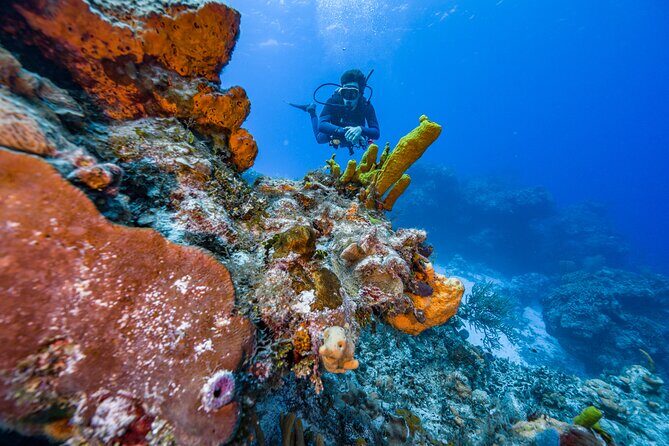
Cozumel is famous for underwater visibility and reef structure. What I like about this two-tank format is the pace: you get enough time to see real variety without turning your whole day into a nonstop schedule. Expect two separate reef encounters, plus a break with food on land or near the water (your timing will fit into the overall ~4-hour window).
This is also a practical choice if you’ve done one solo or beginner-style outing and want a more confident, controlled day. The tour is designed for certified scuba participants, so you should arrive comfortable with basic water skills and buoyancy control. When the group is small, the guide can spend more time helping you keep your plan and enjoy the scenery.
You can also read our reviews of more tours and experiences in Cozumel.


Getting to the Start: Carr. Costera Sur, 2 km, 8:00 am
You meet at Carr. Costera Sur 6, 2 km, 77688 Cozumel, Q.R., Mexico. The start time is 8:00 am, and the tour ends back at the same meeting point. It’s listed as near public transportation, which is useful if you’re staying somewhere central and don’t want to rely only on taxis.
Plan to show up a bit early. Even when check-in runs smoothly, you’ll want time to handle the basics, get your bearings, and be ready for the briefing and boarding. Since this is a boat outing, “almost on time” can still mean “waiting a few minutes,” and you’ll likely feel that wait twice—once before tank one and again during the transfer to the first reef.
Boat Day Flow: Instructions, then Two Reef Stops
The experience runs like a well-paced checklist. You’ll meet at Marina Fonatur, board the boat going out to the main reef area, and receive the needed instructions during the ride. Once you’re at the site, you jump in for your first tank, then you take a break for a light lunch. About an hour later, you return to the water for the second reef, different from the first.
That lunch-and-reset timing matters more than it sounds. After your first tank, your body is usually ready for a short break, and a proper pause helps you stay calm, not rushed. It also lets you hydrate and get your gear and timing back under control for tank two.
Stop 1: Palancar Reef and Why It’s a Smart First Choice
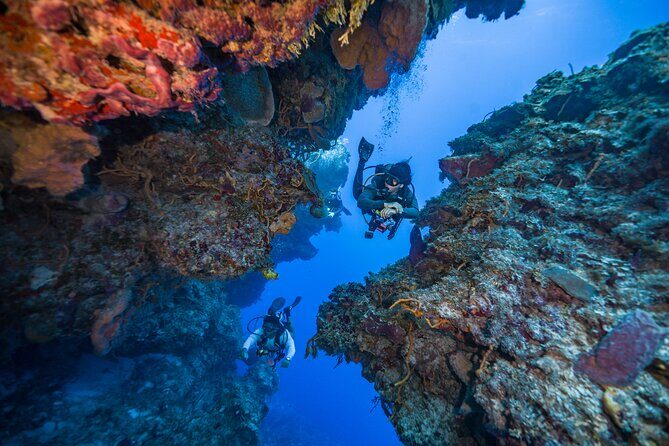
Palancar Reef is the first stop, and that matters because it sets your expectations early in the day. This site is known for the kind of coral structure that makes it easier to find something interesting every few minutes—big pieces for sweeping views, plus smaller life you can discover if you slow down.
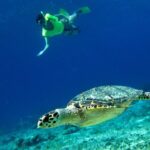
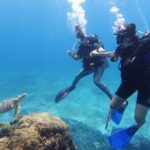
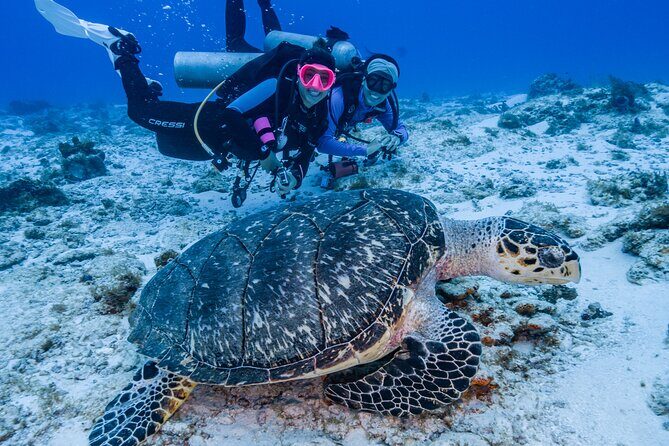
On a good day, Palancar is where you’ll start spotting the headline marine characters Cozumel is famous for: sharks, rays, turtles, and moray eels, plus lots more. The reef layout can also help you vary your scan pattern—look for larger animals cruising by, then bring your attention down to the reef for smaller critters.
A practical tip: don’t treat Palancar like a checklist of species. Use it to settle your breathing, buoyancy, and camera focus (if you’re using one). When you get comfortable early, tank two feels easier, and you’ll enjoy the second site more instead of spending your energy re-learning your rhythm.
What could be a drawback here?
Palancar Reef can feel busy in the sense that there’s always something to look at. If you’re the type who gets overwhelmed, it can help to ask your guide for a simple “start here, then look there” path before you descend. That keeps you from zig-zagging your way into a stressed dive plan.

Lunch Break Between Tanks: A Real Recovery Pause
Between the first and second reef stop, you get a break and a light lunch. This is one of the best value pieces of a two-tank itinerary, because it prevents the day from turning into a “just enough calories” situation. In ~4 hours total, timing is tight, so having a scheduled pause makes a noticeable difference.
What to do with the break:
- Use it to hydrate, not just eat.
- Take a few minutes to organize your gear and wet items so tank two doesn’t feel chaotic.
- If you’re prone to getting cold or tired after the first water time, this is when you fix that before going back in.
The crew’s job is to keep the flow smooth, and the best operators make the switch from tank one to tank two feel almost effortless.
Stop 2: The Second Reef, Often in the Palancar-to-Casa Blanca Mood
The second reef stop is different from the first. In examples from this operator, Palancar is sometimes paired with Casa Blanca as the next underwater location. Casa Blanca is a great match for divers who want strong reef scenery and a chance to keep seeing new life patterns instead of repeating the same view.
Even if your exact second site varies, the promise is consistent: you’ll explore a different reef area, and you’ll get more time with marine life rather than a quick rinse-and-repeat. This second stop is also where you’ll likely notice the benefit of the guide style. Strong guides keep pointing out what to look for, so the second tank doesn’t become “catch up on what I missed first time.”
A note on variety
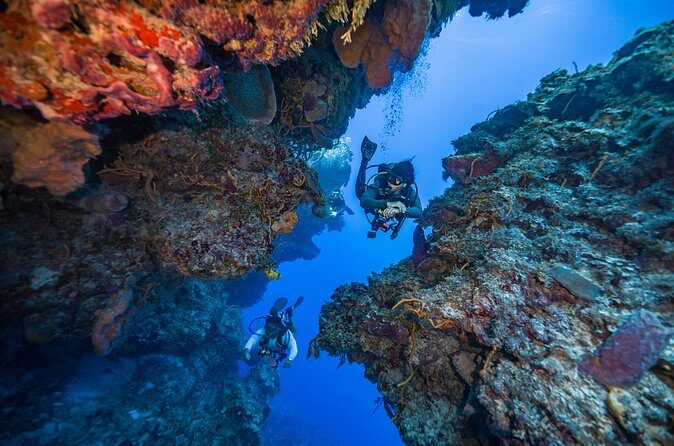
Some of the more dramatic Cozumel experiences come from tunnel-like coral formations, canyon angles, and barrier reef structures. In the broader experience with this team, guides have pointed out tunnels, caves, and barrier-style coral zones on other outings. For your two-tank day, you may not see every one of those features, but the operator’s approach leans toward reef structure, not just open-water drifting.
The Crew Makes It Feel Small: Arianna, Lola, Roberto, Lobo, and Lorenzo
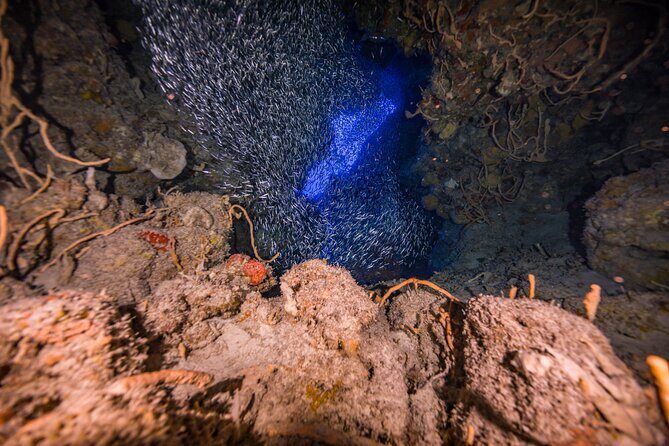
One of the most praised aspects is the people. You may work with guides including Arianna, Lola, Roberto, and Lobo; the captain is listed as Lorenzo in one standout example. What stands out isn’t just friendliness—it’s how the team manages the day.
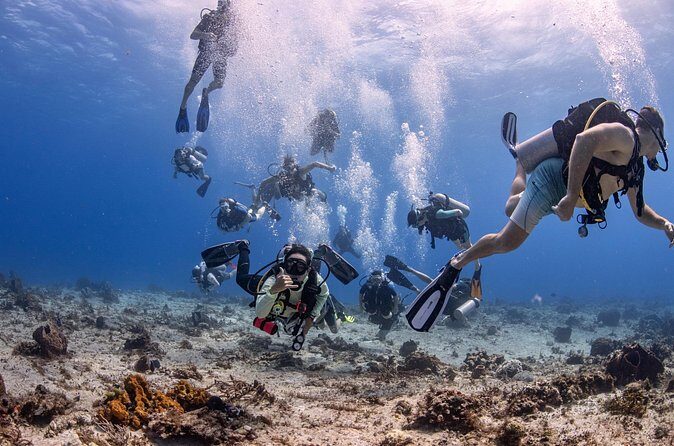
On small-boat trips, the guide-to-participant ratio matters. This operator limits the number of people on the boat, and that helps in two ways:
- You get clearer guidance when you’re setting up or adjusting underwater.
- The guide can point out marine life without feeling like they’re juggling 10+ divers at once.
I especially like how guide styles show up in real stories. One diver noted that Lobo helped them spot marine life, which is exactly what you want if visibility is high but tiny details can still be easy to miss. That guidance is also useful if you’re colorblind or simply want help identifying patterns on coral and reef walls.
Gear Quality and Confidence Checks (Especially for Certified Scuba Participants)
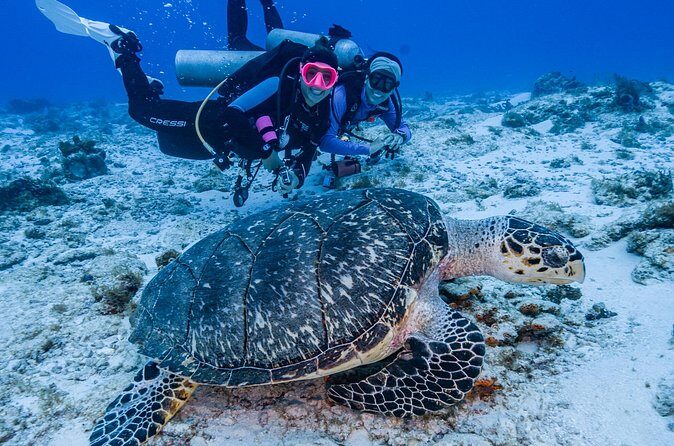
For a certified outing, you should expect a more competence-based rhythm: equipment set up correctly, instructions that fit your experience level, and a guide who checks the plan. Reviews from this team mention quality dive gear, thoughtful weight help, and a refresher-style approach if needed.
Even if you’re fully certified, it’s smart to treat this like a first meeting with a new environment. Ask about:
- How they expect you to manage buoyancy on the reef structure they’re showing you
- Where you should look first when you enter
- What the most important safety cues are for that specific site
When guides do that well, you feel safe and focused instead of curious and cautious at the same time.
Marine Life You Can Actually Expect to Look For
This trip highlights classic Cozumel animals, and that’s not accidental. Your first reef stop can include sightings such as sharks, rays, turtles, moray eels, and other reef life. You’ll often see fish life in the “busy but organized” way Cozumel does well: plenty of movement, but not chaos.
To make the most of your water time, don’t only watch the biggest targets. Reef life shows up in layers:
- Big animals cruising above or along structure
- Medium fish grouping in channels
- Small critters tucked into coral edges
The more your guide helps you notice the small stuff, the more the second tank feels like an actual bonus rather than a repeat. If you love sharks, turtles, or rays, you’re in the right place. If you love critters, bring patience—and let the guide do some of the pointing.
Timing and Fitness: The Stuff That Can Affect Your Comfort
The tour is about 4 hours and starts at 8:00 am. You’ll be physically active in normal ways: moving in and out of the boat area and managing your gear. The fitness requirement is listed as moderate physical fitness.
Translation: this is not a sit-back-and-float day. If your legs or balance feel shaky, it can affect your stress level at the surface and during entry. If you’re usually okay with boat transfers and you can comfortably handle your equipment, you should be fine.
Also remember that the experience requires good weather. Seas and currents can change daily, and operators will adjust accordingly.
Price and Value: What Makes This One Worth Comparing
No single price is provided here, so I can’t tell you the exact number. But I can tell you what to compare when you look at this type of two-tank Cozumel outing.
For value, the key pieces you’re paying for are:
- Small group size (max 5 travelers): more attention, easier communication, less waiting
- Two reef stops in a tight time window (~4 hours): you get real variety
- Lunch included: helps your energy stay steady for tank two
- Guide focus on spotting marine life: fewer missed moments
If another operator offers a similar two-tank schedule but with a larger group, you’ll often feel it as more surface time, more waiting, and less personal guidance underwater. This is why the crew and the boat size show up so strongly in satisfaction.
Who This Is Best For (and Who Might Want a Different Plan)
This is best for:
- Certified scuba participants who want a focused two-tank reef day
- Divers who value small groups and clear guidance
- People who want Palancar Reef as the first stop
- Anyone who prefers a crew that actively points out marine life
It might be less ideal if:
- You’re not yet comfortable with the expectations of certified scuba outings
- You have limited mobility or stamina for boat transfers and gear handling
- You hate changing plans on weather days (because the tour depends on good conditions)
Should You Book This 2-Tank Certified Scuba Experience in Cozumel?
If your goal is a well-run, small-group reef day with Palancar Reef as the first underwater stop, I’d book it. The combination of a small boat feel, a scheduled lunch break, and guides like Arianna, Lola, Roberto, and Lobo (plus captain Lorenzo) is exactly the kind of setup that turns an underwater outing into a smooth, memorable day rather than a stressful logistics puzzle.
You should book with confidence if you:
- Are certified and comfortable in the water
- Want two different reef experiences in one morning
- Appreciate guidance that helps you spot marine life you might otherwise miss
If you’re unsure, tell me what certification level you have and whether you’re comfortable with currents and reef entries, and I can help you decide if this format fits your comfort zone.
FAQ
Where is the meeting point for this Cozumel experience?
You meet at Carr. Costera Sur 6, 2km, 77688 Cozumel, Q.R., Mexico. The activity ends back at the same meeting point.
What time does the tour start?
The start time is 8:00 am.
How long does the 2-tank experience last?
It’s approximately 4 hours.
Is this tour for certified scuba participants only?
Yes. It’s listed as a 2-tank experience for certified divers.
What language is the experience offered in?
The tour is offered in English.
How many people are on the trip?
There is a maximum of 5 travelers.
What reefs are included?
Palancar Reef is the first stop. The second reef is different from the first.
Is there food included during the break?
Yes. After the first water session, you’ll enjoy a light lunch before the second stop.
What marine life might I see?
You may see sharks, rays, turtles, moray eels, and other marine species.
What happens if the weather is bad?
The experience requires good weather. If it’s canceled due to poor weather, you’ll be offered a different date or a full refund.